When several teeth are missing, worn, loose or repeatedly failing, the problem is rarely confined to one tooth. Eating becomes cautious, speech can feel less secure, and the way the teeth meet may no longer support comfortable function. For patients researching full mouth rehabilitation Singapore, the central question is not simply which restoration looks best. It is how to rebuild the mouth in a way that respects bite function, facial appearance and long-term oral health.
What full mouth rehabilitation is designed to address
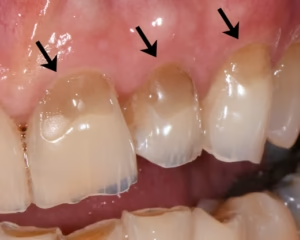
Full mouth rehabilitation is a carefully planned restoration of the teeth, bite and smile. It may be appropriate where many teeth have been lost, where existing crowns or bridges are failing, or where extensive wear has changed the way the jaws close together.
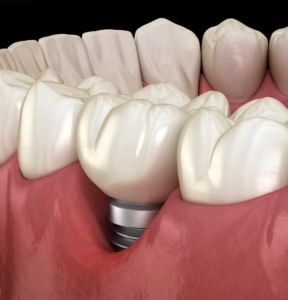
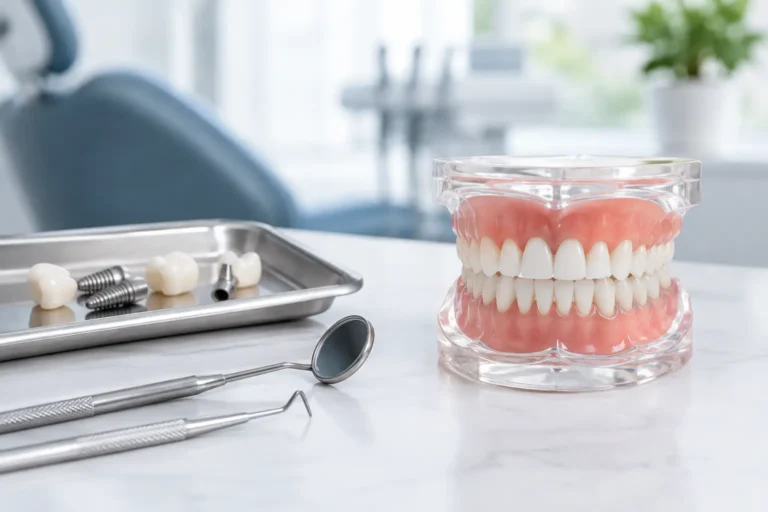
Treatment is not one fixed procedure. Some patients may benefit from saving suitable teeth with crowns, bridges, inlays or onlays, while replacing missing teeth with dental implants. Others have teeth that can no longer be predictably maintained and may be better suited to a full-arch implant solution such as All-on-Four, All-on-Six or an individually planned All-on-X restoration. Conventional full or partial dentures can also be the right choice in certain clinical circumstances.
The correct approach depends on what can be retained healthily, the condition of the supporting bone and gums, the bite, and the patient’s expectations for fixed or removable teeth. A sound plan does not begin with a pre-selected package.
Why bite planning matters as much as appearance
A natural-looking smile is important, but it must also work comfortably. If restorations are designed without careful consideration of the bite, excessive forces can contribute to chipping, loosening, discomfort or premature wear. This is particularly relevant when several teeth are being restored at once.
A specialist prosthodontic assessment considers how the upper and lower teeth meet, how the jaw moves, how much tooth structure remains and where forces are likely to fall during chewing. It also considers the proportions of the teeth, lip support and smile line. These details help create restorations that look appropriate for the individual rather than overly uniform or artificial.
For patients who have worn dentures for years, the transition to implant-supported teeth can be significant. Fixed full-arch teeth may provide greater stability and confidence when speaking and eating, but the design must allow for cleaning and be realistic about maintenance. Implants are not maintenance-free, and long-term success relies on excellent home care and regular professional review.
The assessment behind full mouth rehabilitation in Singapore
Anyone considering full mouth rehabilitation in Singapore should expect a detailed consultation, rather than a quick recommendation based on photographs alone. Comprehensive planning commonly involves a clinical examination, digital imaging, assessment of existing restorations and a close review of bite function.
The planning stage is where difficult decisions are made. Retaining a compromised tooth may appear less invasive in the short term, yet it may complicate a full reconstruction if its prognosis is poor. Removing a tooth unnecessarily, on the other hand, is not a conservative solution. The objective is minimal intervention with the best possible long-term result.
A written treatment plan should make the sequence clear. Some cases require preparatory treatment and temporary restorations before the final teeth are made. These interim stages are valuable because they allow function, appearance and comfort to be assessed before the definitive work is completed.
Fixed full-arch teeth or dentures?
Neither option is automatically better for every patient. Implant-supported fixed teeth are designed to remain in place and can feel closer to natural teeth in daily life. They require adequate planning, suitable anatomy and a commitment to cleaning beneath the restoration.
Dentures remain a practical and appropriate solution for some patients. A well-designed specialist denture should support the lips, improve appearance and sit as securely as possible. However, it will not provide the same fixed stability as an implant-supported restoration. The choice should be based on clinical suitability, dexterity, comfort expectations and long-term priorities.
Choosing specialist-led care
Full-mouth treatment involves many connected decisions, so the clinician planning the result should understand both the biological and mechanical demands of the final restoration. A registered specialist prosthodontist is trained specifically in replacing and restoring teeth, with attention to aesthetics, function and occlusion.
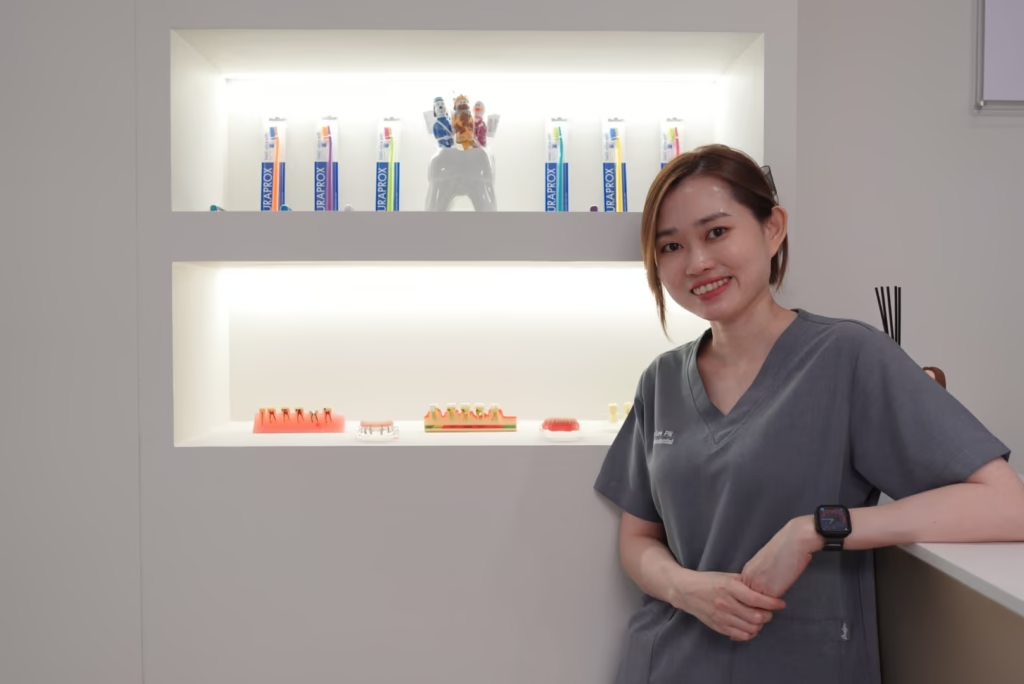
At Maison Dentaire, Dr Lee Pei Nee personally plans and delivers restorative treatment, using premium internationally recognised implant systems where implants are indicated. This direct specialist involvement is particularly valuable for patients with complex failing dentition, multiple missing teeth or a bite that requires careful rebuilding.
For Singapore-based patients willing to travel for consultation-led specialist care, Kuala Lumpur can be a considered option. Maison Dentaire is located at St Mary Residences on Jalan Tengah, a short walk from Raja Chulan Monorail Station. More importantly, treatment schedules should be planned around the clinical stages required, not rushed to fit an arbitrary timetable.
The most reassuring next step is a proper assessment with clear answers: which teeth can be kept, what the final teeth will be supported by, how the bite will be managed, and what maintenance will be needed afterwards. A rehabilitation should give you more than a new smile. It should give you a dependable way to eat, speak and live comfortably again.