
Waking with tight jaw muscles, recurring headaches or a chipped crown is rarely just an inconvenience. For patients looking for a teeth grinding specialist in Malaysia for Singaporeans, the central question is whether treatment will address the force causing the damage, rather than simply repairing its latest result.
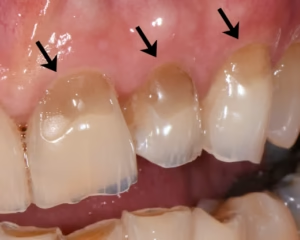
Teeth grinding, also known as bruxism, can place exceptional pressure on teeth, restorations and jaw joints. Some people clench during the day when concentrating or stressed; others grind unconsciously during sleep. Over time, the effects may include flattened teeth, fractures, sensitivity, loosening restorations and changes to the way the teeth meet.
Why a specialist assessment matters for teeth grinding
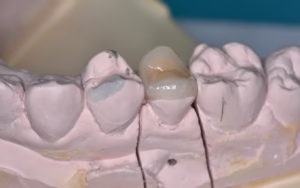
A worn tooth is not always a simple filling or crown problem. It may be part of a wider bite problem involving several teeth, old restorations, tooth erosion or a loss of tooth height. If each damaged tooth is repaired in isolation, the new work may be exposed to the same excessive forces that caused the original failure.
A prosthodontist assesses teeth as part of a functioning system. This includes examining patterns of wear, the bite relationship, jaw movement, existing crowns or bridges, signs of cracking, and the amount of healthy tooth structure remaining. The aim is to establish why the damage is occurring and what can realistically protect the teeth over the long term.
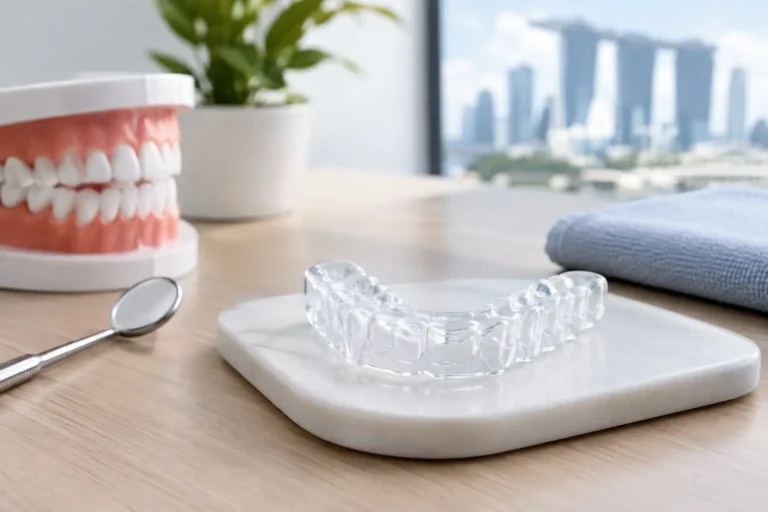
For some patients, a carefully designed protective night guard may be appropriate. For others, especially where significant wear has altered function or appearance, treatment may involve rebuilding selected teeth to restore a stable bite. The right approach depends on the degree of wear, the condition of the teeth and restorations, and whether the bite has become unstable.
When grinding has damaged crowns, veneers or implants
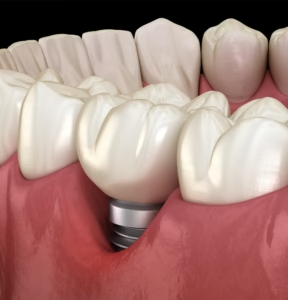
Grinding does not automatically mean that crowns, veneers or implant restorations are unsuitable. It does mean that planning must be more exacting. Restorative materials, tooth preparation, bite contacts and protective measures all need to be considered together.
For example, a patient with repeated chipping of front teeth may need more than a replacement veneer. The clinician must determine whether the front teeth are carrying too much force because back teeth are worn down, missing or poorly positioned. Similarly, a fractured crown may be a warning that the bite has changed, not necessarily that the crown itself was poorly made.
Where more extensive rehabilitation is needed, the final appearance should not be planned separately from function. Teeth need to look natural, but they also need to meet, guide and distribute pressure in a controlled way. This is particularly relevant for full-mouth rehabilitation, implant-supported teeth and patients whose natural teeth have become short, thin or uneven through years of grinding.
Planning treatment from Singapore
Singaporeans considering specialist treatment in Kuala Lumpur often compare more than the treatment itself. They need clarity about the number of visits, the purpose of each appointment and whether sufficient time is allowed for assessment, laboratory work and review.
A sensible process begins with a detailed consultation and records. These may include photographs, scans or impressions, bite analysis and a review of existing dental work. When treatment is more involved, a written plan should explain the sequence of care, what is being treated first and how the bite will be protected afterwards.
Not every grinding case requires extensive dentistry. Minimal intervention is preferable when the teeth are still structurally sound and the bite can be stabilised conservatively. Conversely, delaying treatment after repeated fractures, pronounced wear or failing restorations can reduce the options for preserving natural teeth. The clinical judgement lies in knowing the difference.
For patients travelling from Singapore, it is also worth allowing for follow-up rather than viewing treatment as a single trip. Bite adjustments and reviews can be essential after new restorations are fitted, particularly when the mouth has adapted to worn or uneven teeth for many years.
Questions worth asking a teeth grinding specialist in Malaysia
Before committing to treatment, ask who will personally assess your bite and deliver the restorative work. Ask whether the plan identifies the cause of the wear, how the proposed restorations will be protected, and what review schedule is recommended.
You should also expect a clear explanation of alternatives. A specialist-led plan should not assume that the most extensive treatment is automatically best. It should explain what can be monitored, what needs attention now, and the likely consequences of each option.
At Maison Dentaire, treatment planning is centred on the relationship between aesthetics, bite function and long-term oral health. For a patient who has spent years repairing the consequences of grinding, that relationship is often the difference between another short-lived repair and a more considered path forward.
If your teeth are becoming shorter, your restorations repeatedly chip, or your jaw feels strained on waking, seek an assessment before the next fracture decides the timing for you.