
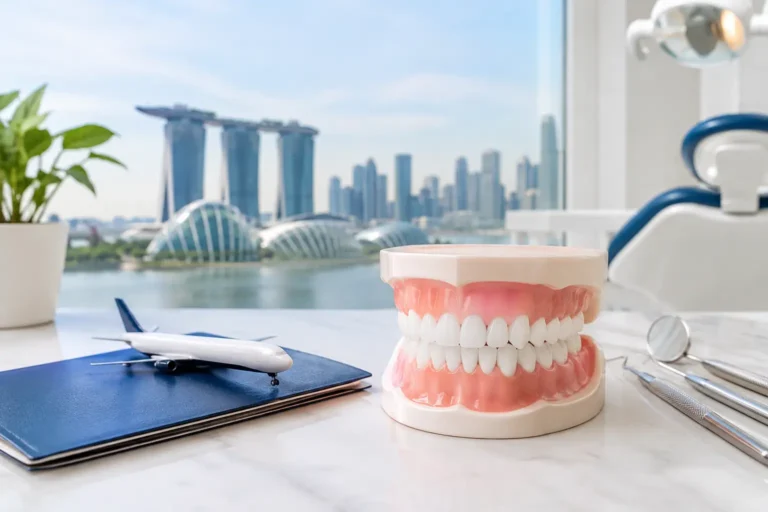
A search for “full mouth rehabilitation KL Singapore” usually comes at a difficult point: dentures are loose, several teeth are failing, chewing has become limited, or the smile no longer feels like your own. The answer is not simply to replace teeth. A successful rehabilitation must restore a comfortable bite, stable function and a natural appearance that can be maintained over time.
What full mouth rehabilitation involves
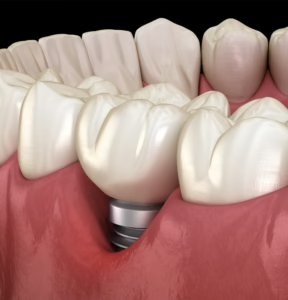
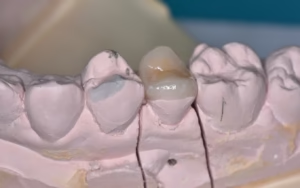
Full mouth rehabilitation is a carefully planned reconstruction of the teeth, gums and bite. It may be appropriate when most or all teeth are missing, severely worn, extensively damaged or no longer predictable to retain. Treatment can involve fixed implant-supported teeth, such as All-on-Four, All-on-Six or an individualised All-on-X approach, as well as crowns, bridges or precisely fitted dentures where these are the more suitable option.
The treatment is not defined by one product or a fixed number of implants. It is defined by the condition of your mouth, bone support, facial proportions, bite relationship and expectations for eating, speaking and appearance. Some patients need a full arch replacement; others benefit from restoring remaining healthy teeth alongside implant-supported teeth. The right plan is the one that protects long-term oral health without unnecessary intervention.
Full mouth rehabilitation in KL for Singapore patients
For Singapore-based patients, Kuala Lumpur can be a practical destination for specialist-led restorative dentistry, particularly when treatment requires several appointments and detailed planning. However, convenience should never be the main reason for choosing a provider. Full mouth treatment has lasting consequences, so clinical experience, diagnostic standards and continuity of care matter far more than a fast itinerary.
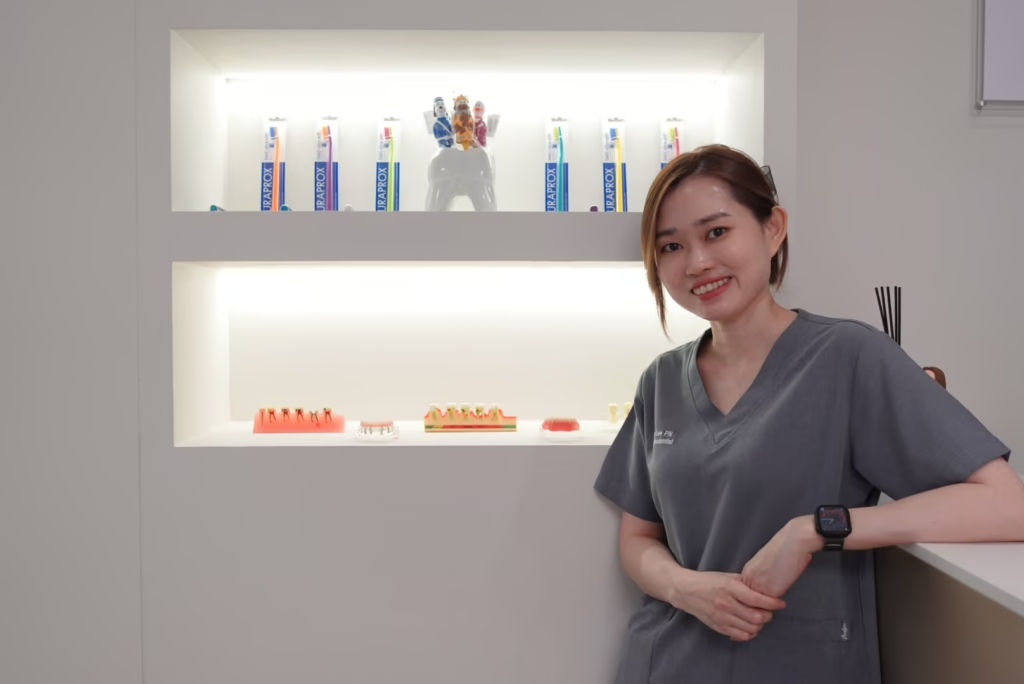
At Maison Dentaire, treatment is personally planned and delivered by Dr Lee Pei Nee, a registered specialist prosthodontist. Prosthodontics is the dental specialty concerned with restoring and replacing teeth, including the complex relationship between teeth, implants, jaw function and aesthetics. This depth of focus is particularly valuable when a patient has multiple failing teeth, worn-down dentition or long-standing denture difficulties.
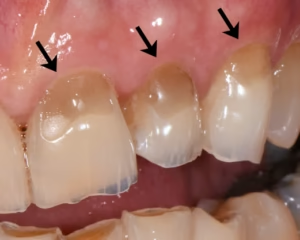
A proper consultation should allow time to understand what has led to the current situation. Grinding, an unstable bite, untreated tooth loss and older dental work can all contribute to progressive damage. Replacing visible teeth without addressing these underlying factors can compromise comfort and shorten the lifespan of the new work.
Planning before treatment begins
The planning phase is where quality is decided. It typically includes a detailed examination, appropriate imaging, assessment of the gums and bone, bite analysis and discussion of the desired tooth shape and smile characteristics. The goal is not an artificially white or uniform result. It is teeth that suit your face, support speech and allow you to bite with confidence.
Where teeth cannot be saved predictably, implants may provide stable support for a fixed bridge. Premium internationally recognised implant systems, including Straumann and Megagen, are selected according to the clinical case. Where appropriate, remaining teeth are retained rather than removed simply to fit a standard protocol.
You should also receive a clear written treatment plan. This helps you understand the sequence of care, the provisional stage where applicable, the expected review visits and what is needed to maintain the result. For patients travelling from Singapore, this clarity makes it easier to organise visits realistically rather than treating rehabilitation as a single appointment.
Fixed teeth, removable dentures or a combined approach?
Fixed implant-supported teeth can offer significant improvements in stability compared with conventional dentures. Many patients find it easier to eat a wider range of foods and speak without worrying that a denture will move. Yet fixed treatment is not automatically the best choice for every person. Bone quality, medical history, cleaning ability, budget priorities and the condition of the opposing teeth all need consideration.
Modern dentures also remain a valuable solution in selected cases. A specialist-fitted denture can be designed with close attention to support, bite and facial appearance. In some situations, an implant-retained removable prosthesis offers a sensible balance of stability, hygiene access and treatment complexity.
The key distinction is whether the recommendation is being made for your clinical needs, rather than because one solution is presented as suitable for everyone.
What long-term success looks like
A full mouth rehabilitation should feel increasingly ordinary. You should be able to speak clearly, eat comfortably and smile without constantly thinking about your teeth. That result depends on precise fit, a stable bite and a design that you can clean properly at home.
Review appointments and home care remain essential. Implant-supported teeth do not decay, but the surrounding tissues still require careful cleaning and professional monitoring. Natural teeth that remain in the mouth also need ongoing protection, particularly if grinding or bite forces contributed to the original damage.
The most reassuring first step is a thorough specialist assessment, not a rushed promise of new teeth. When the bite, biology and appearance are planned together, full mouth rehabilitation can provide a durable foundation for daily life and the confidence to enjoy it again.