
A smile makeover should not begin with a catalogue of veneers or a request to make every tooth whiter. It should begin with an assessment of why your smile looks and feels the way it does. A smile makeover dentist considers the visible details, certainly, but also the bite, tooth structure, gums, jaw function and the forces that act on your teeth every day.
For patients with worn, broken, missing or heavily restored teeth, cosmetic changes without this foundation can create further problems. A result may look attractive initially yet chip, feel bulky, affect speech or fail to sit comfortably within the bite. The objective is not a generic “perfect smile”. It is a healthy, natural-looking smile that suits your face and can function reliably over time.
A smile makeover is more than a cosmetic procedure
The term smile makeover can describe anything from carefully placed veneers on a small number of teeth to a full-mouth rehabilitation involving crowns, bridges, implants or specialist dentures. The right approach depends on the condition of your teeth and what you need them to do.
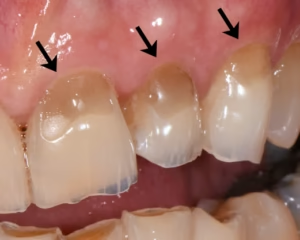
For example, a patient with minor discolouration and sound tooth structure may need a conservative aesthetic solution. Someone whose teeth have shortened through grinding, erosion or wear needs a more detailed plan. Their treatment may need to restore lost tooth height, protect vulnerable teeth and establish a stable bite before the final appearance can be refined.
This distinction matters. Covering worn teeth without understanding the cause of the wear may merely postpone the next repair. Likewise, replacing missing teeth without considering the opposing teeth and overall bite can compromise comfort and longevity. Good aesthetic dentistry is inseparable from sound restorative planning.
What a specialist assessment should examine
A thorough consultation is deliberately unhurried. It gives the clinician time to listen to what concerns you, understand your dental history and determine whether your expectations can be met predictably. Patients often arrive after years of repeated repairs, uncomfortable dentures, broken crowns or a growing reluctance to smile in photographs.
The clinical assessment usually considers the condition of each tooth, existing fillings and crowns, gum health, areas of decay or fracture, missing teeth, tooth wear and the relationship between the upper and lower jaws. Photographs, scans, X-rays and bite records may be required to plan accurately. These records allow the proposed changes to be assessed before irreversible treatment begins.
Just as importantly, the dentist should ask how your teeth function in daily life. Do you avoid certain foods? Do front teeth chip repeatedly? Is your jaw tired on waking? Does a denture move when you speak? These practical details often reveal issues that a cosmetic wish list alone cannot.
Your bite is part of your smile
Occlusion is the way the teeth meet and move against one another. It is central to restorative treatment, particularly where many teeth are being altered or replaced. A bite that concentrates force in the wrong place can lead to fractures, loosening, sensitivity and premature wear.
When teeth have been worn down, the bite may have changed gradually over many years. Restoring it requires precision and restraint. The aim is to create adequate space for strong, natural-looking restorations while ensuring that the teeth meet comfortably and predictably during chewing and speech.
This is why treatment plans should not be based on shade alone. Brightness, shape and proportion matter, but they must work within a stable functional design.
Choosing a smile makeover dentist for complex needs
Not every aesthetic concern requires complex care. However, when several teeth are failing, the bite has collapsed, teeth are missing, or previous dental work has repeatedly broken down, specialist prosthodontic planning can make a meaningful difference.
A prosthodontist is trained in the restoration and replacement of teeth, with particular focus on function, aesthetics and complex rehabilitation. This perspective is valuable when a smile makeover involves crowns, bridges, veneers, implants, dentures or full-arch treatment. Rather than viewing each tooth in isolation, the plan considers how every component will work together.
At Maison Dentaire, Dr Lee Pei Nee, a registered specialist prosthodontist, personally plans and delivers treatment. This continuity is particularly reassuring for patients who have been passed between different clinicians or received recommendations without a clear explanation of the long-term plan.
When comparing providers, look beyond before-and-after photographs. Ask who will plan the case, who will carry out each stage and how the bite will be assessed. You should also understand what is being preserved, what needs replacing, the sequence of treatment and the maintenance required afterwards. A written plan helps make these decisions clear.
Conservative treatment where possible
A high-quality smile makeover does not mean treating every visible tooth. In many cases, the best result comes from preserving healthy enamel and restoring only what is necessary. Minimal intervention protects your remaining tooth structure and keeps future options open.
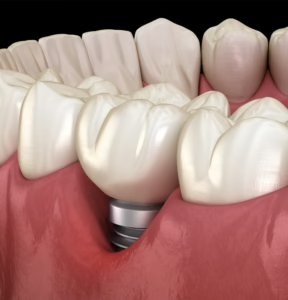
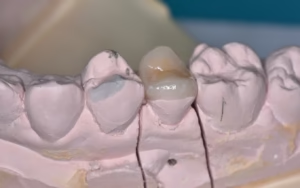
Veneers can be an excellent choice when they are indicated, but they are not an automatic answer to every aesthetic concern. Crowns may be more appropriate for teeth that are extensively broken down. An inlay or onlay may preserve more natural structure than a full crown. Missing teeth may need an implant-supported replacement, a bridge or a carefully planned denture, depending on the clinical situation.
There are trade-offs in every choice. A more conservative option may not change every aspect of appearance. A full reconstruction can achieve broader changes but requires more planning, appointments and adaptation. The right decision balances your priorities with biology, function and the amount of healthy tooth structure available.
Planning the appearance without creating an artificial look
Natural-looking smiles are rarely created by making all teeth identical. Real teeth have subtle differences in shape, translucency and surface texture. Their proportions should also relate to the lips, facial features and the way you show your teeth when speaking and smiling.
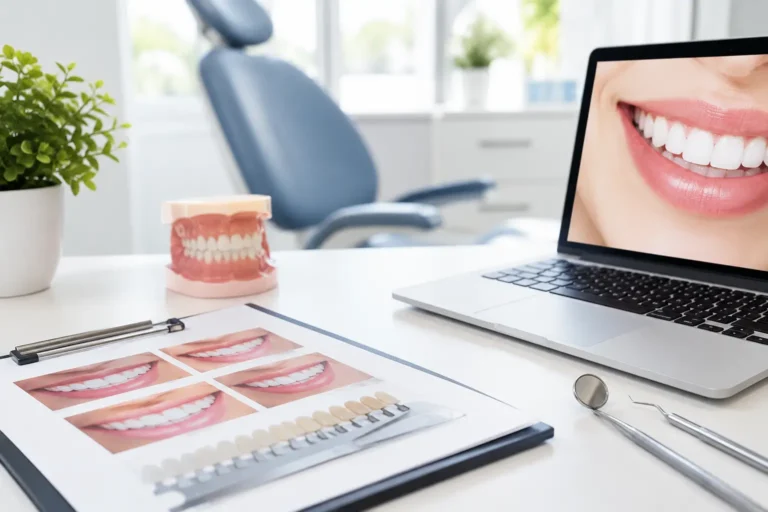
During planning, details such as tooth length, edge position, smile width and colour are considered in context. Some patients want a noticeably brighter, more youthful appearance. Others want to replace old restorations without drawing attention to the fact that treatment has been carried out. Both goals can be appropriate, provided the proposed result is realistic and clinically sound.
Temporary restorations or trial smiles can be valuable in larger cases. They allow the appearance and bite to be tested before final ceramics are made. This stage is not an inconvenience. It is an opportunity to refine comfort, phonetics and aesthetics while changes are still possible.
Allow enough time for a proper sequence
Smile makeover treatment is often phased. Immediate cosmetic improvement may be possible in some cases, but complex restorative work benefits from a measured sequence. Teeth may need stabilising first. Implant treatment requires healing and careful integration into the final design. Bite changes may need a period of adjustment before definitive restorations are fitted.
For patients travelling to Kuala Lumpur from Singapore, Australia, Hong Kong or elsewhere, this requires sensible planning. Records and preliminary discussions can help clarify what is feasible before travel, but clinical examination remains essential. A responsible plan should set out the expected number of visits, the purpose of each stage and where flexibility may be needed.
Be cautious of promises that every case can be completed in a single short visit. Speed may be appropriate for a limited treatment, but it is not a substitute for diagnosis, laboratory precision or adequate healing where these are required.
The long-term result depends on care after treatment
Even the finest restorations need maintenance. Crowns, veneers, bridges and implant restorations are durable, not indestructible. Regular professional reviews help identify early changes around the teeth, gums, bite or restorations before they become larger problems.
If you grind or clench your teeth, a protective appliance may be recommended to reduce damaging forces. Daily cleaning techniques may also need to change around bridges, implants or specialist dentures. These are practical parts of protecting your investment, not optional extras.
A smile makeover should leave you able to eat, speak and smile without second-guessing your teeth. The most satisfying outcomes are not simply more photogenic. They feel comfortable, look like they belong to you and are supported by a plan designed to last.