Understanding the 4 Types of Tooth Wear
Have you noticed your teeth looking shorter, thinner, or more yellow than before? Maybe the edges look jagged, or you feel a sharp zing when you sip something cold.
Some tooth wear is a normal part of ageing. But when it happens faster than it should — or unevenly — it usually means something else is going on. Left unaddressed, excessive tooth wear leads to sensitivity, bite problems, jaw discomfort, and changes in facial appearance that are harder and more expensive to fix the longer you wait.
The good news: once we know what is causing the wear, we can do something about it.
In dentistry, tooth wear falls into four main types: Attrition, Abrasion, Erosion, and Abfraction. Each has a different cause, a different pattern, and a different solution. Here is what you need to know about all four.
Attrition – Tooth-on-Tooth Wear
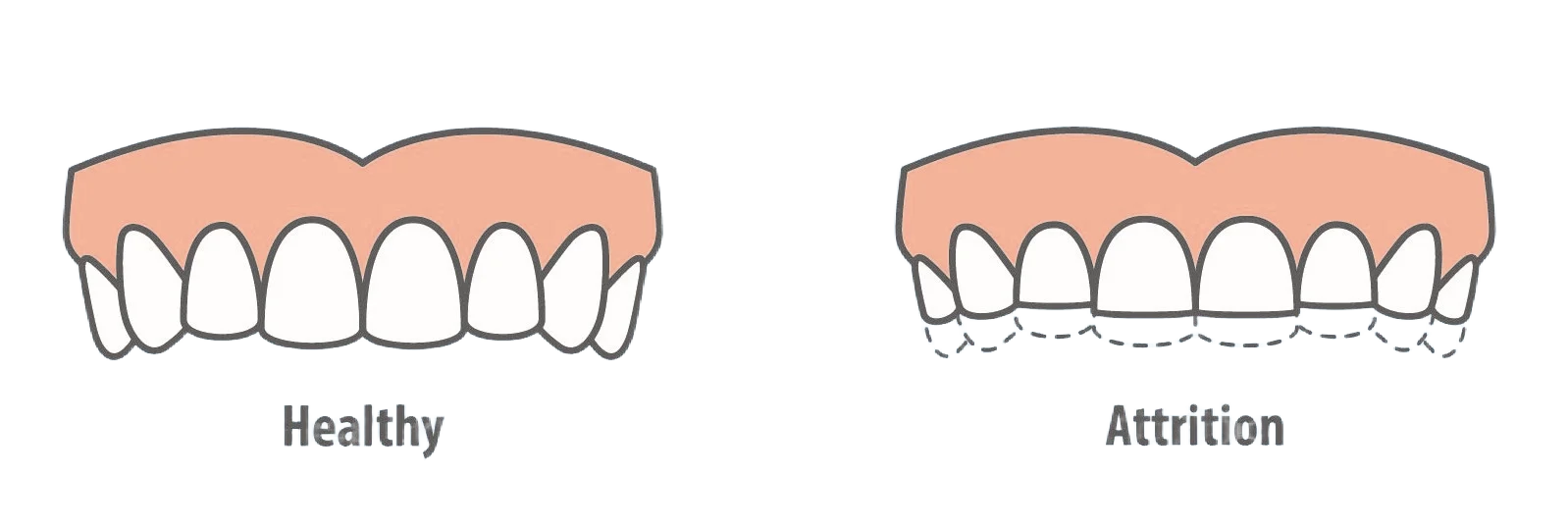
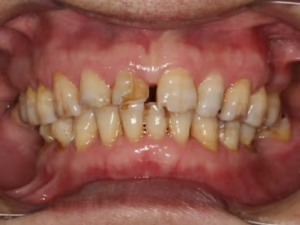
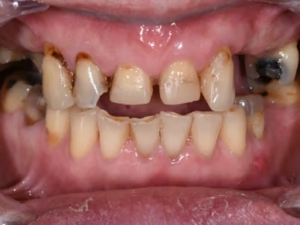
Attrition happens when teeth wear down from direct contact with other teeth. The most common cause is bruxism — grinding or clenching your teeth, often during sleep when you have absolutely no idea it is happening.
When teeth grind against each other repeatedly, the protective enamel gradually wears away. The biting surfaces flatten. The underlying dentine — which is naturally more yellow — starts to show through. Over time, grinding also puts stress on the jaw joints, which can contribute to TMJ pain, headaches, and general jaw fatigue.
You may notice:
Flattened or shortened front teeth
Smooth or shiny chewing surfaces
Increased tooth sensitivity
Jaw soreness in the morning
Abrasion – External Friction
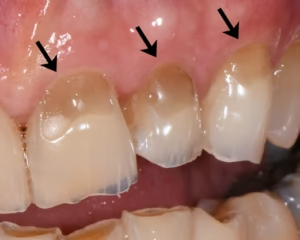
Abrasion happens when something external repeatedly scrapes or scrubs the tooth surface. Enamel is strong — but it does not tolerate constant mechanical friction, especially near the gum line where it is thinnest.
Common causes:
Brushing too hard or too aggressively
Using a hard-bristled toothbrush
Abrasive whitening toothpaste used daily
Habits like nail biting, pen chewing, or holding objects between teeth
The pattern here is telling. Abrasion tends to create V-shaped notches or grooves right where the tooth meets the gum — the classic calling card of an over-enthusiastic brusher.
You may notice:
V-shaped grooves or notches near the gum line
Sensitivity when brushing
Wear affecting multiple teeth in the same position
If you are brushing twice a day every day and think you are doing your teeth a favour — you probably are. Just make sure you are not doing it like you are scrubbing a frying pan.
Erosion – Acid Damage
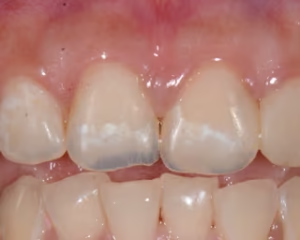
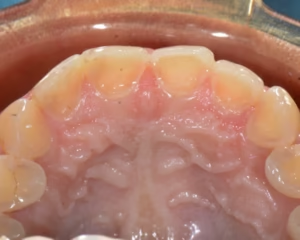
Erosion happens when acid dissolves the tooth surface directly. No bacteria involved — just chemistry doing quiet, consistent damage over time.
Common causes:
Frequent intake of acidic drinks — soft drinks, sports drinks, citrus juices, kombucha
Acid reflux (GERD) — stomach acid reaching the mouth repeatedly
Morning sickness or frequent vomiting
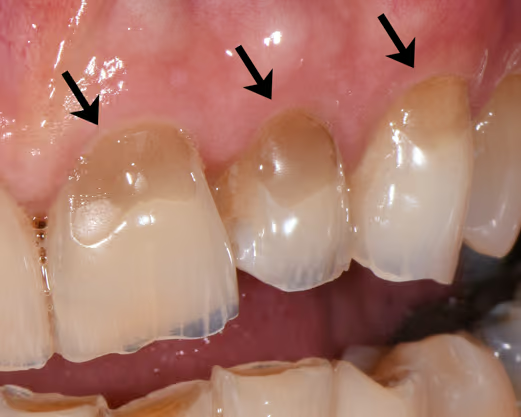
Unlike attrition, erosion does not flatten teeth. It rounds them. It hollows them. It gives the surface a smooth, almost polished look — which sounds fine until you realise that polish means enamel is gone.
You may notice:
Teeth that appear smooth, shiny, or slightly translucent at the edges
Rounded or cupped surfaces
Increased sensitivity to hot, cold, or sweet foods
Front teeth that look shorter or more see-through at the tips
The tricky thing about erosion is that the cause is not always obvious. Acid reflux, for example, is often silent — patients do not realise it is affecting their teeth until the pattern shows up on examination.
Abfraction – Stress-Related Tooth Wear
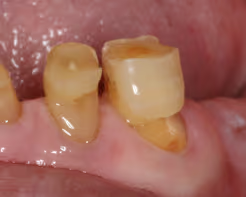
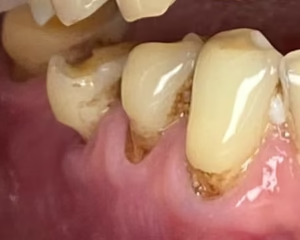
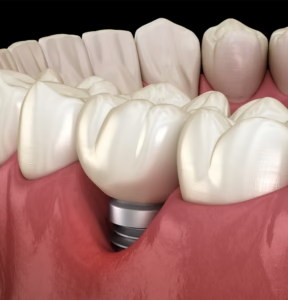
Abfraction is the least well-known of the four — and the most commonly misdiagnosed. It happens when teeth flex under uneven or excessive biting forces, causing microscopic stress fractures at the neck of the tooth — the narrow point just above the gum line where the tooth is most vulnerable.
Common causes:
An uneven or imbalanced bite (malocclusion)
Heavy clenching or grinding — which also causes attrition, so these two often appear together
When certain teeth take on more force than they were designed for, stress concentrates at that narrow neck point. Over time, enamel flakes away, leaving deep angular notches near the gum.
You may notice:
Deep, sharp-edged notches near the gum — different from the V-shaped grooves of abrasion
Localised sensitivity in specific teeth
Wear affecting only certain teeth, not evenly across the mouth
These notches are often mistaken for abrasion. The shape and location give them away on clinical examination — which is why an accurate diagnosis matters before treatment begins.
It Is Rarely Just One Type
This is worth saying clearly: most patients do not present with just one type of tooth wear.
Grinding combined with an acidic diet. Aggressive brushing on top of an uneven bite. Acid reflux plus bruxism. These factors layer on top of each other, and the result is often more than one pattern appearing at the same time.
This is exactly why treatment needs to address the cause — not just the visible damage. Restoring worn teeth without identifying and managing the contributing factors is like mopping the floor without turning off the tap.
How We Can Help — Treatment Options for Tooth Wear
The good news is that tooth wear can be stabilised and, in many cases, fully restored — especially when caught early. Treatment depends on the cause and severity.
Occlusal splint:
A custom-fitted night guard protects teeth from the effects of grinding and clenching during sleep. It reduces the forces on tooth surfaces and the jaw joints, and prevents further attrition and abfraction from progressing.
Composite Bonding:
For early or moderate wear, tooth-coloured composite resin restores worn edges and notches conservatively, without removing healthy tooth structure. It is a fast, reversible first step for many cases.
Porcelain Veneers or Crowns
For more advanced wear, porcelain restorations rebuild the tooth’s shape, strength, and appearance with greater durability. The choice between a veneer and a crown depends on how much healthy tooth structure remains. Your Smile Early
Early intervention helps preserve your natural tooth structure and prevents more complex treatment later on. If you’ve noticed changes in the shape, length, or sensitivity of your teeth, it’s worth having them assessed sooner rather than later.
A proper diagnosis allows us to treat the cause, not just the symptoms — and protect your smile for the long term.
Bite Assessment and Correction
Where an uneven bite is contributing to wear, correcting it reduces the forces driving further damage. This may involve occlusal adjustment, orthodontic alignment, or a comprehensive bite rehabilitation plan.
For cases involving widespread wear across multiple teeth and changes to the bite, a full mouth rehabilitation may offer the most comprehensive and lasting solution.
Frequently Asked Questions (FAQs) About Tooth Wear
Is tooth wear normal with age?
Yes. A small amount of wear over a lifetime is expected. What is not normal is rapid, uneven, or excessive wear, which usually points to grinding, acid exposure, brushing habits, or bite issues.
Can worn-down enamel grow back?
No. Once enamel is worn away, it cannot grow back. Enamel does not regenerate. However, early intervention can slow or stop further wear, and modern dental treatments can restore the appearance, strength, and function of affected teeth.
Can worn teeth be restored?
Yes. Depending on the severity, worn teeth respond well to composite bonding, veneers, crowns, or more comprehensive rehabilitation. The right approach depends on how much tooth structure remains and what is driving the wear.
Does tooth wear cause sensitivity?
It often does. As enamel wears away, the dentine beneath becomes exposed. Dentine contains microscopic tubules that connect to the tooth’s nerve which is why temperature changes and sweet foods suddenly feel much more noticeable.
How do I know which type of tooth wear I have?
Each type produces a characteristic pattern that a trained eye can identify during clinical examination. The location, shape, and distribution of the wear, combined with your history, points to the likely cause. An accurate diagnosis is essential before any treatment begins.
Can tooth wear worsen if left untreated?
Yes. Tooth wear is progressive. Without addressing the underlying cause, teeth continue to shorten, weaken, and become more prone to fracture. Treatment becomes more complex and more costly the longer it is left. Early assessment is always the better option.
When to Seek Help for Tooth Wear in KL
Tooth wear is one of those problems that rarely announces itself dramatically. It happens gradually — millimetre by millimetre — until one day you notice your smile looks different, or a tooth chips when it should not have.
A proper diagnosis allows us to treat the cause, not just the symptoms and protect your smile for the long term.
If you have noticed changes in the shape, length, or sensitivity of your teeth and are based in Kuala Lumpur, an assessment at Maison Dentaire with specialist prosthodontist Dr. Lee Pei Nee can help identify the cause and recommend the most conservative treatment to protect your smile long-term.
This article is for general educational purposes and does not constitute personalised medical advice. Please consult a qualified dental professional for an assessment specific to your needs.