
Porcelain & Composite Veneers
Dental Veneers in Kuala Lumpur
Dental veneers are thin, custom-made shells that cover the front surface of teeth to improve their shape, colour, and alignment. At Maison Dentaire Specialist Clinic, veneers are planned and placed by an MDC-registered prosthodontist with specialist postgraduate training in restorative and aesthetic dentistry. We use veneers to create natural-looking smile enhancements while preserving as much healthy tooth structure as possible.
If you are unhappy with stained, chipped, uneven, or gapped teeth, veneers may offer a long-lasting and aesthetic solution.
What Are Dental Veneers?
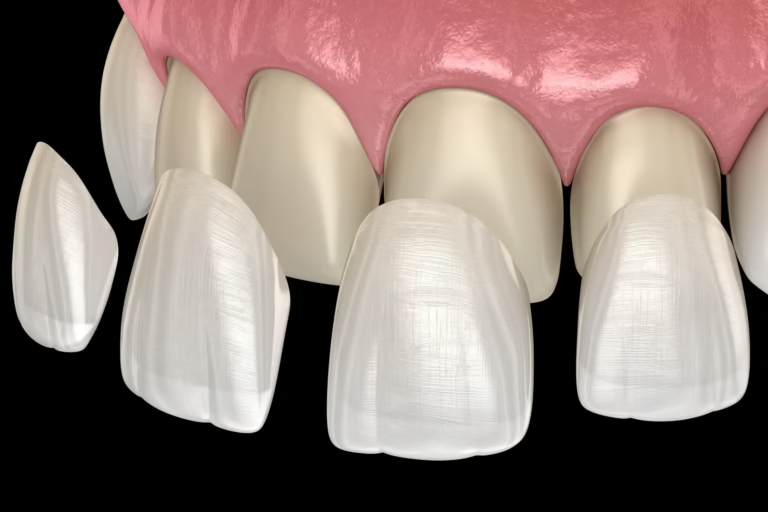
Dental veneers are thin coverings placed on the front surface of teeth to improve their appearance. They are designed to enhance tooth colour, shape, size, and alignment while maintaining a natural-looking smile.
Veneers can be used to address:
Tooth discolouration or stains
Chipped or worn teeth
Small gaps between teeth
Mildly crooked or uneven teeth
Misshapen or disproportionate teeth
When properly planned and placed, dental veneers provide predictable aesthetic improvement with minimal intervention.
Types of Dental Veneers
There are different types of dental veneers available. The most suitable type depends on your bite, the condition of your teeth, how many teeth are being treated, and whether the primary goal is aesthetic correction or structural restoration.
Porcelain Veneers
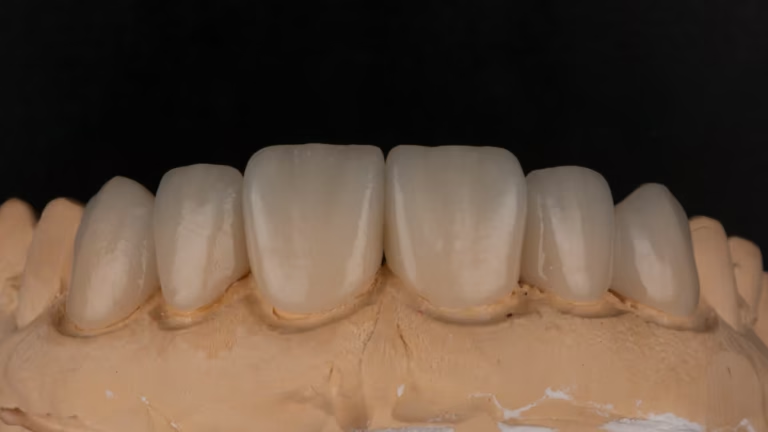
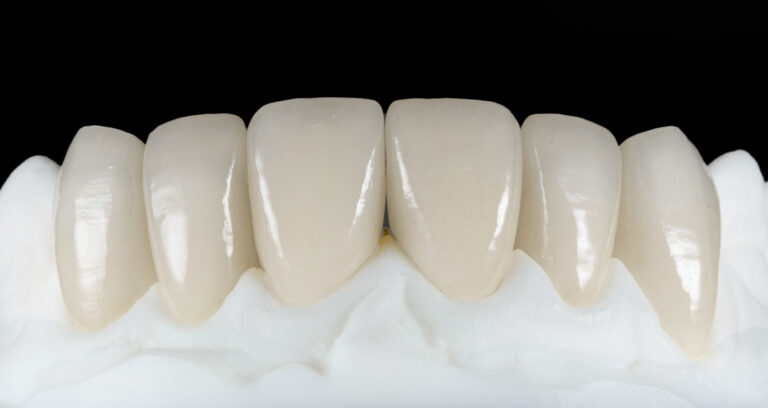
Porcelain veneers are thin ceramic shells fabricated in a dental laboratory and bonded to the front surface of teeth. They closely mimic natural enamel and offer excellent strength, colour stability, and aesthetics.
At Maison Dentaire, we use high-quality ceramic materials including IPS e.max — a lithium disilicate ceramic known for its strength, translucency, and natural appearance.
Natural, Lifelike Appearance
Porcelain closely mimics natural enamel in translucency, colour, and light reflection.
Long-Lasting Aesthetic Results
With proper care, porcelain veneers maintain their appearance for 10–15 years or longer.
Resistant to Staining
Unlike natural teeth, porcelain does not absorb coffee, tea, or food colouring over time.
Precise Shape and Shade Control
Each veneer is custom-fabricated in a laboratory to match your exact smile goals.
Composite Veneers
Composite veneers are created using tooth-coloured resin that is sculpted directly onto the teeth. This technique allows for aesthetic improvement with minimal or no tooth preparation.
Composite veneers are suitable for:
Minor Chips or Uneven Edges
Composite can be sculpted directly onto the tooth to restore small imperfections quickly.
Small Gaps Between Teeth
A conservative way to close minor spacing without orthodontic treatment.
Conservative or Cost-Effective Option
Minimal or no tooth preparation required — easier to adjust or repair when needed.
Composite veneers may stain or wear over time and usually require more maintenance than porcelain veneers. However, they can be repaired or adjusted more easily when needed.
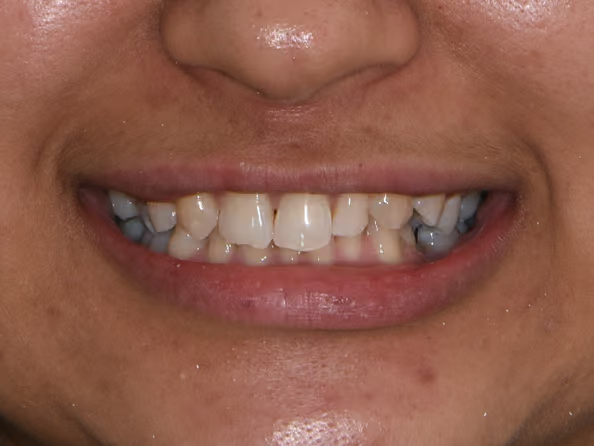
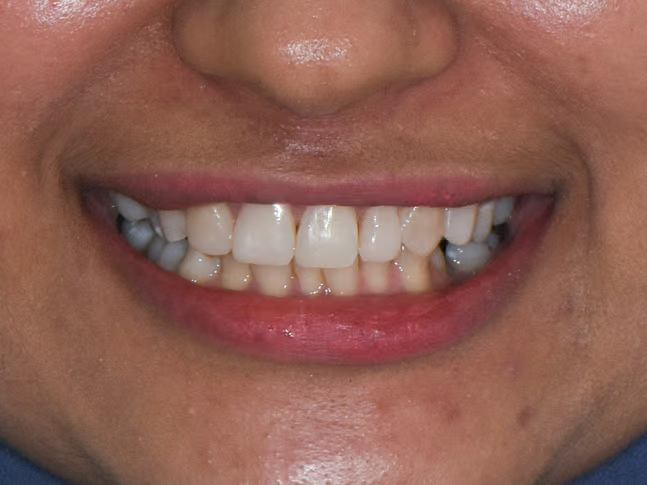
Composite Veneers — Before & After Results
Why Choose a Prosthodontist for Dental Veneers?
Veneers are an irreversible treatment. Once tooth structure is prepared, it cannot be undone. This makes the planning stage critical.
As a prosthodontist, Dr. Lee approaches every veneer case with a thorough understanding of bite mechanics, tooth proportions, gum aesthetics, and facial harmony. She uses Digital Smile Design to plan the shape, size, and shade of each veneer in relation to your facial features before any preparation begins. A smile mock-up lets you preview the proposed result and provide feedback before committing to treatment.
This level of planning reduces the risk of bulky or unnatural restorations and ensures your veneers look good, feel comfortable, and function correctly long term. Patients from across Kuala Lumpur, including Mont Kiara, Damansara Heights, and Bangsar, visit Maison Dentaire specifically for veneer cases that require careful bite assessment alongside aesthetic planning.
Am I Suitable for Dental Veneers?
You may be suitable for dental veneers if you:
Have healthy teeth and gums
Wish to improve the appearance of your front teeth
Have mild spacing or alignment concerns
Maintain good oral hygiene
Veneers may not be suitable if you have active gum disease, extensive tooth decay, or significant bite problems. In such cases, we may recommend alternative treatments such as crowns, orthodontics, or full mouth rehabilitation.
The Dental Veneer Treatment Process
Once dental veneers are selected as the appropriate treatment, we follow a structured clinical workflow focused on accuracy, comfort, and long-term success.
Assessment and Preparation
We begin with a comprehensive clinical examination, photographs, and dental records to assess the health of your teeth and gums. Where relevant, a 3D scan or dental moulds are taken. We discuss your goals and explain the recommended veneer type, the amount of tooth preparation required, and the expected outcome. No preparation begins until you are fully informed and comfortable with the plan.
Veneer Planning and Placement
Using Digital Smile Design, we finalise the veneer shape and shade based on the agreed treatment plan. For porcelain veneers, impressions or digital scans are sent to the dental laboratory for fabrication. For composite veneers, the resin is sculpted directly onto the teeth in the same appointment. Before any irreversible preparation, a smile mock-up is placed in your mouth so you can see and feel the proposed changes and give your feedback.
For more detail on the planning process, visit our Smile Makeover page.
Final Adjustment and Review
Once the veneers are placed, we check the bite, comfort, and aesthetics carefully before completing treatment. Follow-up visits help ensure long-term stability and your satisfaction with the result.
How Long Do Dental Veneers Last?
With good oral hygiene and regular dental visits:
Porcelain veneers can last 10–15 years or longer
Composite veneers typically have a shorter lifespan than porcelain veneers, usually last approximately 4 – 8 years and may require maintenance
Longevity depends on bite forces, oral habits, and adherence to aftercare instructions. Patients who grind their teeth are advised to wear a custom occlusal splint to protect their veneers long term.
Dental Veneers FAQ
ask us
anything
What is digital smile design?
Digital Smile Design is a planning tool that uses photographs and digital
software to map your facial proportions and design the shape, size, and shade
of your veneers before any treatment begins. At Maison Dentaire, every veneer
case is planned using Digital Smile Design so you can preview your result and
provide feedback before committing to treatment.
Do dental veneers damage teeth?
When planned and placed properly, veneers require minimal tooth preparation and do not damage healthy teeth. Thorough assessment before treatment ensures only the appropriate amount of tooth structure is prepared.
Are dental veneers painful?
The procedure is generally comfortable. Local anaesthesia may be used during tooth preparation, and most patients experience little to no discomfort afterward.
Can veneers look natural?
Yes. Both porcelain and composite veneers can look natural when carefully designed to match your teeth, smile, and facial features. Planning with Digital Smile Design allows you to preview the proposed result before committing to treatment.
Can porcelain veneers correct crooked or misaligned teeth?
Porcelain veneers can improve the appearance of mildly uneven or crooked teeth. For more severe misalignment, orthodontic treatment may be a more suitable option.
I grind my teeth. Can I still get veneers?
Teeth grinding places extra stress on veneers. During your consultation, we assess the severity of grinding and advise whether veneers are suitable. A custom occlusal splint is often recommended to protect both veneers and natural teeth.
How do I care for my veneers?
Care for veneers as you would natural teeth—brush and floss daily, attend regular dental check-ups, avoid biting hard objects, and wear a protective occlusal splint if you grind your teeth.
How much do dental veneers cost?
Veneer costs depend on whether porcelain or composite veneers are used, how many teeth are treated, and the clinical work involved. We discuss fees clearly during your consultation so you can make an informed decision.
What is the difference between porcelain and composite veneers?
Porcelain veneers are fabricated in a dental laboratory and bonded to the teeth — they are more durable, stain-resistant, and longer-lasting, typically 10–15 years or more. Composite veneers are sculpted directly onto the teeth in the same appointment — they are more conservative and easier to repair, but typically last 4–8 years and may require more maintenance
Book a Dental Veneers Consultation in KL
At Maison Dentaire Specialist Clinic, Dr. Lee Pei Nee, an MDC-registered prosthodontist, plans every veneer case with both aesthetics and long-term function in mind. We assess your teeth, bite, and facial proportions carefully, explain your options clearly, and provide a personalised treatment plan with transparent fees before any preparation begins.
If you are considering dental veneers in Kuala Lumpur, booking a consultation is the best first step.