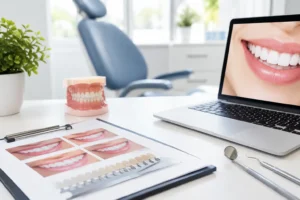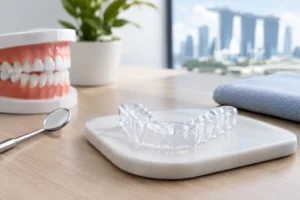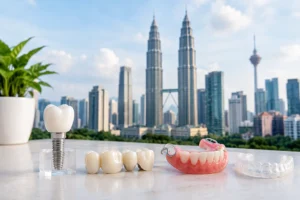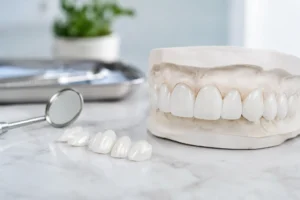

Flattened edges, shortened front teeth and repeated fractures are not simply cosmetic concerns. Patients comparing a tooth wear specialist in Malaysia and Australia are often looking for more than a quick repair: they need to understand why their teeth are changing, whether the damage is still active, and how treatment can protect what remains.
Tooth wear can progress quietly for years. By the time chewing feels less comfortable, teeth appear smaller, or old fillings and crowns begin to fail, the bite may already have changed. Careful diagnosis is therefore the starting point, not the final stage of treatment.
When to see a tooth wear specialist in Malaysia or Australia
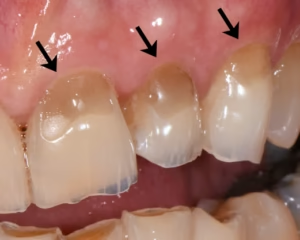
Tooth wear may result from grinding or clenching, acidic food and drinks, reflux, abrasive brushing, or a combination of factors. It can affect one area of the mouth or the entire dentition. The pattern matters because it helps determine both the cause and the most appropriate treatment.
A specialist assessment is particularly valuable when teeth are repeatedly chipping, existing restorations are breaking, sensitivity is increasing, the bite feels different, or the lower face appears to have lost height. These signs do not automatically mean that every tooth needs a crown. In many cases, a conservative plan may protect vulnerable areas while preserving sound tooth structure.
The key question is whether the wear is stable or continuing. Restoring worn teeth without addressing the forces and habits causing the damage can lead to avoidable repair work later.
Why bite assessment comes before cosmetic treatment
A natural-looking result must also function comfortably. Tooth wear changes the contact between upper and lower teeth, which can place excessive pressure on a new veneer, crown, bridge or filling. For this reason, a prosthodontic approach considers how the jaw closes, where teeth meet, how forces are distributed and how much space is available for a durable restoration.
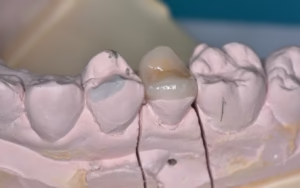
This is where treatment planning differs from simply covering worn surfaces. Records, photographs, scans and diagnostic models may be used to assess the existing bite and plan the intended tooth shape before irreversible treatment begins. In more complex cases, a trial design can help confirm aesthetics, speech and comfort before final restorations are made.
There is no single ideal solution for every patient. Minor wear may be managed with monitoring and small bonded restorations. More advanced wear may require carefully planned veneers, crowns, onlays or a full-mouth rehabilitation. The least invasive option that provides reliable function is usually the right direction.
If several teeth cannot be saved
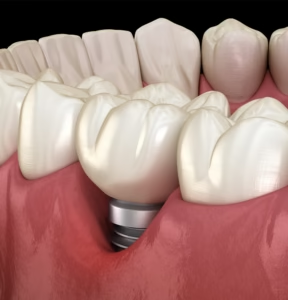
Severe tooth wear sometimes occurs alongside failing, heavily restored or missing teeth. Where teeth have a poor long-term prognosis, retaining them at all costs may not be the most predictable choice. A specialist can explain whether staged restorative care, removable dentures or implant-supported full arch rehabilitation is appropriate for the condition of the mouth, bone and bite.
For patients considering All-on-Four, All-on-Six or an All-on-X solution, the final teeth should be planned around facial support, speech, smile appearance and chewing function – not around implants alone. This requires detailed prosthodontic planning from the outset.
Malaysia or Australia: what should patients compare?
For patients travelling between Malaysia and Australia, the decision should not rest on location alone. Specialist credentials, diagnostic standards, materials, the clinician’s involvement and the plan for review matter more than a convenient appointment date.
Ask who will personally assess the bite, design the restorations and deliver the treatment. Clarify whether you will receive a written plan that explains the diagnosis, alternatives, sequence of care and expected maintenance. If travel is involved, discuss how many visits are realistically needed and what follow-up can be arranged once you return home.
Complex wear cases should not be rushed into treatment during a short visit. Some patients benefit from a phased approach, allowing time to test a new bite position or stabilise habits before definitive restorations are fitted. This may require patience, but it reduces uncertainty and supports longevity.
At Maison Dentaire, treatment is personally planned and delivered by specialist prosthodontist Dr. Lee Pei Nee, with attention given to the relationship between appearance, bite function and long-term maintenance. For patients in Kuala Lumpur, this means access to unhurried, specialist-led care without treating tooth wear as a purely cosmetic problem.
A considered next step
If your teeth are becoming shorter, weaker or more difficult to use, seek an assessment before another repair fails. The most helpful plan is one that identifies the cause of wear, preserves healthy structure where possible and gives every restoration a stable bite to work within.