
A porcelain veneer should not require a complicated routine, but it does require consistent care. Knowing how to care for porcelain veneers protects more than their polished appearance: it helps preserve the natural tooth structure beneath them, the health of the surrounding gums, and the precise bite relationship that allows veneers to function comfortably for years.
Porcelain is highly durable and resistant to staining, but it is not indestructible. More significantly, a veneer is bonded to a natural tooth. The tooth and gumline remain vulnerable to plaque, decay, recession and excessive bite forces. Good aftercare is therefore about protecting the whole tooth, not simply keeping the veneer white.
How to care for porcelain veneers every day
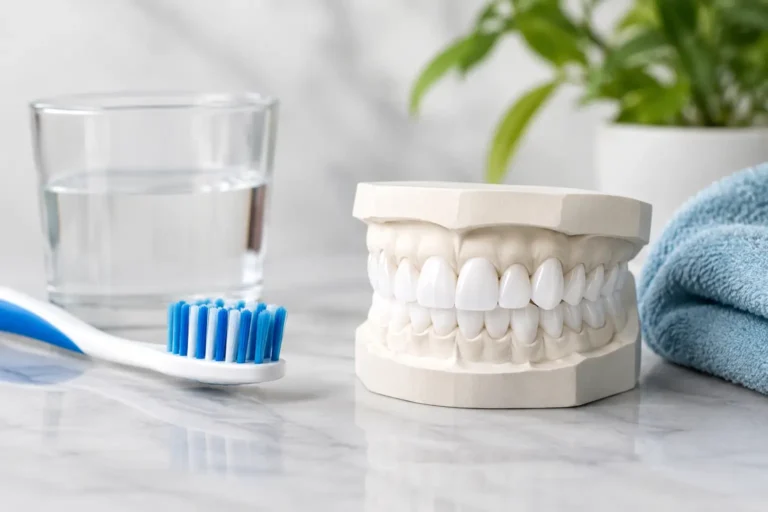
The foundation is straightforward: brush twice daily with a soft-bristled toothbrush and fluoride toothpaste, and clean between every tooth once a day. This removes plaque at the gumline and around the edges where the veneer meets the tooth. Those margins are designed to be discreet, but they still need thorough cleaning.
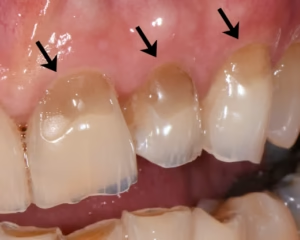
Use gentle, controlled pressure rather than vigorous scrubbing. A soft brush is effective when used properly and is kinder to the gums. If your gums recede over time, more of the natural tooth may become visible near the veneer edge. Protecting gum health is therefore part of maintaining a natural-looking result.
Choose a non-abrasive toothpaste. Highly abrasive whitening products, charcoal powders and aggressive polishing pastes may gradually dull the glaze of porcelain or affect the appearance of adjacent natural teeth. Porcelain itself does not respond to whitening toothpaste in the same way enamel does, so the goal is clean, healthy teeth rather than continual whitening.
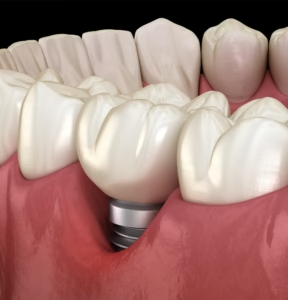
Flossing remains essential. Slide floss gently through the contact point and clean along each side of the tooth. Do not snap floss down forcefully onto the gums. If you have several veneers, a bridge, implants or other restorative work, your clinician may recommend a particular interdental brush or water-cleaning device based on the shape of your restorations and the spaces between teeth.
Be careful with force, not normal eating
Well-planned porcelain veneers should allow you to eat a normal, varied diet. You should not need to avoid everyday foods or live cautiously around your smile. However, veneers are not tools for opening packaging, biting fingernails, holding objects or chewing pen caps. These habits create concentrated force at the veneer edge and can chip porcelain or weaken the bond.
Take particular care with very hard foods. It is sensible to cut apples, crusty bread, hard sweets or ice rather than biting down on them with the front teeth. This is not because veneers are fragile, but because front teeth are designed mainly for cutting food, not for repeated heavy loading.
If you enjoy coffee, tea, red wine or strongly coloured foods, porcelain is generally more stain-resistant than natural enamel and composite bonding. The surrounding teeth, however, can still darken. Over time, this can make a veneer appear lighter by comparison. Regular professional maintenance and sensible dietary habits help keep the overall shade harmonious.
Smoking can stain natural teeth and irritate the gums, which may affect the visual transition between the veneer and tooth. For patients who have invested in a smile makeover, avoiding tobacco is one of the clearest ways to protect both oral health and appearance.
Protect veneers from grinding and clenching
A chipped veneer is not always the result of eating the wrong food. In many cases, excessive force from grinding or clenching is the underlying issue. Some people know that they clench their jaw, while others only notice morning jaw fatigue, headaches, tooth sensitivity or repeated chipping of dental work.
When veneers are planned properly, the bite should be assessed before treatment, not treated as an afterthought. The way the upper and lower teeth meet, and the way they move against each other during chewing and speech, has a direct bearing on long-term success. Veneers that look attractive but sit in an unfavourable bite may be placed under forces they were never intended to bear.
If you grind or clench, wear the protective night guard provided or recommended by your treating clinician. A professionally designed guard is made to fit your teeth and restorations accurately. Generic guards may feel bulky, alter the way the teeth meet, or provide inconsistent protection.
Do not ignore a guard that no longer fits, feels tight, has cracked, or leaves your bite feeling different in the morning. Teeth can move slightly over time, and restorations may need periodic assessment to ensure the guard remains appropriate.
Keep routine reviews even when everything feels fine
Veneers can look excellent while an early issue develops at the gumline or beneath the bonded edge. Routine reviews allow your dentist or specialist prosthodontist to assess the integrity of the veneers, gum health, bite contacts and cleaning access before small concerns become more complex.
Professional cleaning is also worthwhile. Your hygienist or clinician can remove hardened deposits around the gums using techniques suitable for porcelain restorations. This is especially valuable for patients prone to gum inflammation, those with several restorations, or anyone who finds it difficult to clean behind the lower front teeth.
The interval between reviews depends on your individual risk factors. Someone with healthy gums, stable bite and excellent home care may need a different schedule from someone who clenches, has a history of gum problems, or has extensive crowns, bridges or implant restorations alongside veneers. Personalised follow-up is more useful than a one-size-fits-all timetable.
What to do if a veneer feels different
A veneer should usually feel like part of your own tooth. It may take a short time for your tongue to adjust after fitting, especially if the tooth shape has changed, but ongoing roughness, sharpness or discomfort should be checked.
Arrange a review promptly if you notice any of the following:
- a chip, crack or rough edge on the veneer;
- a veneer that feels loose, moves or catches on floss;
- sensitivity that persists or worsens, particularly on biting;
- bleeding, swelling or recession around the gumline; or
- a bite that suddenly feels uneven or causes jaw discomfort.
Do not attempt to smooth a rough edge yourself or use household adhesive if a veneer comes away. Keep the veneer safe if possible and contact the dental practice. In some situations it can be rebonded; in others, the tooth and veneer need careful assessment before the right solution is chosen.
Understand what veneers can and cannot change
Porcelain veneers are a conservative aesthetic and restorative option when the underlying teeth, gums and bite are suitable. They can improve shape, colour, proportion and minor alignment concerns, but they do not stop natural ageing, gum changes or habits such as grinding. Long-term success depends on the diagnosis and treatment planning before veneers are placed, as much as the care afterwards.
This matters particularly when veneers are part of a wider rehabilitation. If you also have crowns, bridges, implants or missing teeth, the entire bite must work as a coordinated system. A small change in one area can alter forces elsewhere. Specialist-led planning considers appearance, speech, chewing function and the preservation of remaining tooth structure together.
At Maison Dentaire, veneer care is considered part of the treatment rather than an afterthought. A well-made veneer should support a smile that looks natural and functions comfortably, with maintenance advice shaped around your bite, gums and existing dental work.
The best habit is not complicated: clean carefully, protect your teeth from unnecessary force, and seek review early when something feels different. That measured approach gives porcelain veneers the best chance of remaining beautiful, comfortable and dependable over the long term.