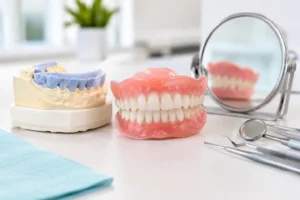
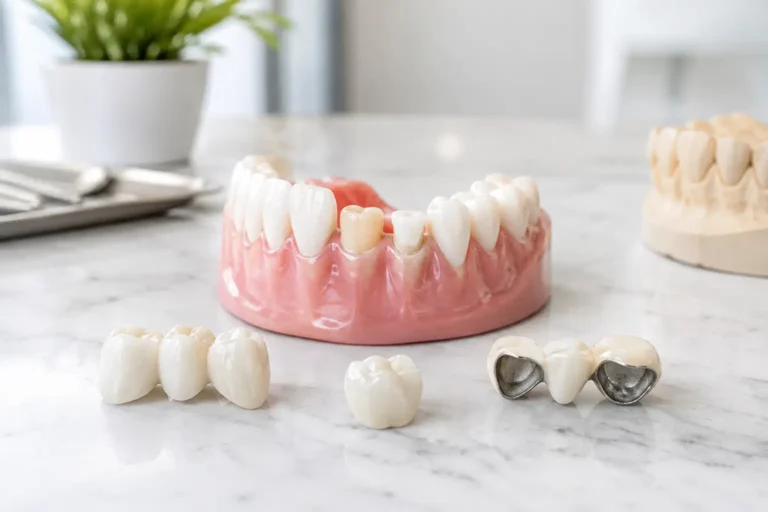
A chipped front tooth, a heavily filled molar and a gap from a missing tooth may all affect confidence and chewing, but they do not call for the same treatment. Understanding crown bridge veneer differences prevents a common mistake: choosing a restoration based on its appearance alone, without considering the remaining tooth structure, bite and long-term prognosis.
Crowns, bridges and veneers can all be made to look natural. Their real differences lie in what they are designed to restore, how much tooth preparation they require and how they behave under everyday biting forces. The right choice should protect your oral health, not simply provide a quick cosmetic change.
Crown, bridge and veneer: what each restoration does
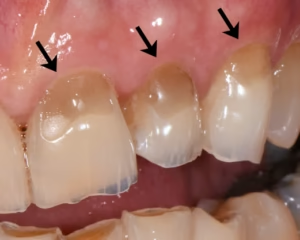
A veneer is a fine, custom-made layer of porcelain or composite bonded to the front surface of a tooth. It is primarily an aesthetic restoration. Veneers can improve the colour, shape, minor alignment or small chips of visible front teeth where the underlying tooth is otherwise healthy and structurally sound.
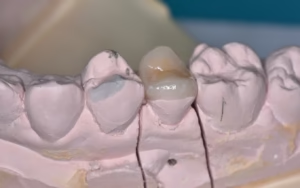
A crown covers the whole visible part of a tooth above the gum line. It is used when a tooth needs protection as well as an improved appearance. A crown may be recommended after substantial decay, a large old filling, root canal treatment, fracture or significant wear. It restores the tooth’s form and helps it withstand chewing forces.
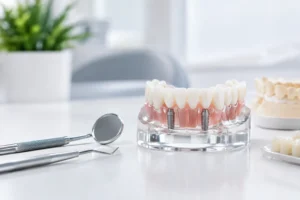
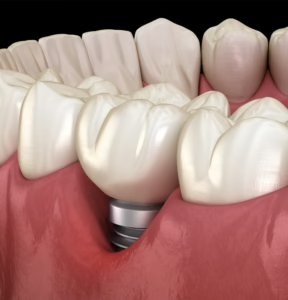
A bridge replaces one or more missing teeth. A conventional bridge is supported by crowns on the teeth beside the gap, with an artificial tooth, known as a pontic, fixed between them. An implant-supported bridge is attached to dental implants rather than adjacent natural teeth. This may be particularly appropriate where several teeth are missing or the neighbouring teeth are healthy and should not be prepared for crowns.
The distinction is straightforward: a veneer improves the visible face of a present tooth, a crown protects and rebuilds a damaged tooth, and a bridge replaces a tooth that is no longer there.
Crown bridge veneer differences in tooth preparation
The amount and location of tooth preparation are often the most clinically significant differences.
For a veneer, a small amount of enamel is usually shaped from the front and edge of the tooth to create room for the porcelain. In carefully selected cases, minimal-preparation veneers may be possible. However, this is not automatically better. If a tooth is very dark, rotated, prominent or badly worn, an ultra-thin veneer may look bulky or fail to disguise the underlying colour. Appropriate preparation allows the final result to have natural proportions.
A crown requires more circumferential preparation because it covers all sides of the tooth. This is justified when the tooth has already lost substantial structure or is at risk of fracture. Placing a veneer on a tooth that lacks adequate support may be less conservative in the long term if it repeatedly chips, debonds or eventually requires more extensive treatment.
With a conventional bridge, the supporting teeth are prepared for crowns. This can be an excellent solution when those teeth already need crowns because of large fillings, wear or damage. If they are healthy and untouched, an implant may preserve more natural tooth structure, provided there is sufficient bone, suitable gum health and the patient is medically appropriate for implant treatment.
When a veneer is the sensible choice
Veneers are most effective for front teeth with a sound foundation. They can be appropriate for persistent discolouration that whitening cannot predictably improve, uneven edges, small gaps, mild shape discrepancies and minor chips.
They are not a universal solution for every cosmetic concern. Patients who grind or clench their teeth may place excessive force on veneers, especially if the bite is unstable. Severe crowding may require orthodontic treatment first. Active decay, gum disease and untreated bite problems should also be managed before elective cosmetic work begins.
A well-planned veneer treatment respects the character of the smile. The aim is not an unnaturally uniform row of opaque white teeth, but proportion, surface texture, translucency and colour that suit the face and adjacent teeth.
When a crown offers better protection
A crown is generally more appropriate when a tooth is weak rather than merely imperfect in appearance. A tooth with a large filling can flex around its remaining walls. One that has been root-treated may be more prone to fracture, particularly at the back of the mouth where chewing loads are high. In these circumstances, a crown can provide the coverage needed to protect the remaining tooth.
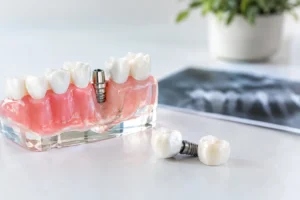
Crowns are also used to restore heavily worn teeth and to provide the visible portion of an implant. An implant crown does not involve filing a natural tooth. It is designed as part of the implant restoration, with careful attention to the gum contour, contact points and bite.
Not every cracked or heavily filled tooth requires a full crown. Sometimes an inlay or onlay can protect the weak areas while retaining more healthy enamel. This is why a detailed assessment matters. The restoration should follow the condition of the tooth, rather than a one-size-fits-all preference.
When a bridge is preferable to leaving a gap
A missing tooth can change more than appearance. Nearby teeth may drift or tilt into the space, the opposing tooth can over-erupt, and chewing may become uneven. Over time, this can complicate the bite and make future treatment more difficult.
A bridge provides a fixed replacement and is often a practical option where implant treatment is unsuitable, not desired or needs to be delayed. Modern ceramic bridges can offer excellent aesthetics, particularly in visible areas, but their design must allow for cleaning beneath the replacement tooth and maintain healthy gum contours.
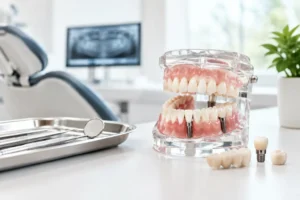
For multiple missing teeth, implant-supported bridges may avoid placing pressure on natural teeth and can provide greater stability. In full-arch rehabilitation, implants may support a fixed bridge that replaces all teeth in an arch. The number and position of implants, bone volume, smile line, facial support and bite must all be planned together. A fixed full-arch bridge is not simply a larger version of a single-tooth bridge.
Materials affect appearance, strength and fit
Porcelain remains a popular choice for veneers because it can reproduce the light-reflecting qualities of natural enamel. Composite veneers may involve less preparation and can be repaired more easily, but they are generally more prone to staining and wear over time.
Crowns and bridges may be made from high-strength ceramic, porcelain fused to a metal substructure or other carefully selected materials. Zirconia can be highly durable, making it useful in areas that receive heavier forces. Layered ceramics may offer more lifelike translucency in the front of the mouth. Neither material is universally superior. The choice depends on the tooth position, available space, bite forces, shade requirements and the design of the restoration.
Material alone does not determine success. A beautifully manufactured crown or veneer will still fail prematurely if the tooth preparation, margins, bonding, gum health or bite are not properly managed.
Longevity depends on care and bite control
No restoration is permanent, but well-made work can serve for many years. Veneers may chip or debond; crowns may develop decay at their edges if plaque accumulates; bridges require particularly diligent cleaning around supporting teeth and beneath pontics.
Daily brushing with fluoride toothpaste, interdental cleaning and regular professional review remain essential. For bridges, a specialist may recommend a floss threader, interdental brush or water-assisted cleaning device, depending on the bridge design. People who clench or grind often benefit from a custom night guard to protect both natural teeth and restorations.
It is also worth considering what happens if treatment needs repair in future. A single veneer may be relatively straightforward to replace, although matching neighbouring teeth can become more difficult as natural teeth change colour. A bridge is a connected restoration, so a problem affecting one supporting tooth may affect the whole unit. These practical considerations should form part of the discussion before treatment begins.
The value of a specialist-led assessment
Choosing between these options starts with diagnosis, not a catalogue of cosmetic treatments. A proper assessment considers photographs, radiographs where required, tooth structure, gum health, previous dental work and, crucially, how the teeth meet when you bite and move your jaw.
For patients with multiple failing teeth, extensive wear or missing teeth, planning may involve a staged approach. Some teeth may be suitable for crowns, others may need removal and implant replacement, while healthy teeth may need no treatment at all. At Maison Dentaire, this planning is personally led by a specialist prosthodontist, with the goal of preserving what can be preserved and restoring only what is necessary.
The most reassuring choice is rarely the one with the shortest description. It is the restoration that fits the condition of your teeth, your smile goals and the way you use your bite every day.