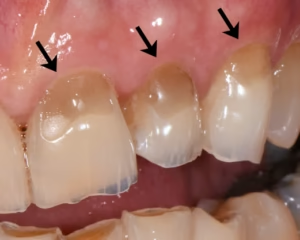

Teeth do not wear down overnight. It is usually a gradual change: edges become shorter or translucent, fillings start to chip, teeth feel more sensitive, and the bite no longer meets as it once did. The best treatments for tooth wear depend on why it is happening, how much healthy tooth structure remains, and whether the bite is stable enough to protect any restoration placed.
A worn smile can affect appearance, but the more pressing concern is function. Once tooth wear progresses, chewing efficiency may reduce, the jaw muscles can become overworked, and teeth may be increasingly vulnerable to cracks or further breakdown. The right answer is rarely a single cosmetic procedure. It is a carefully planned approach that protects what remains and restores only what is necessary.
Why tooth wear needs a precise diagnosis
Tooth wear generally results from one or more processes. Attrition is tooth-to-tooth grinding, often linked with clenching or bruxism. Erosion is chemical softening of enamel from acids, which may come from dietary habits, reflux or frequent vomiting. Abrasion can arise from overly forceful brushing or habits that repeatedly rub against teeth. Many patients have a combination rather than one clear cause.
This distinction matters. A person whose enamel is softened by acid needs a different strategy from someone whose back teeth have worn down through night-time grinding. Restoring the shape of teeth without addressing the cause may lead to early chipping, fracture or repeated repair.
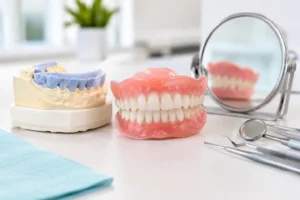
A specialist assessment should consider the pattern and rate of wear, existing fillings and crowns, gum health, jaw joint and muscle symptoms, tooth sensitivity, dietary and medical history, and the way the upper and lower teeth contact. Photographs, digital scans and, where appropriate, diagnostic models allow the proposed changes to be tested before treatment begins. This is particularly valuable when several teeth need rebuilding or the bite has collapsed.
Best treatments for tooth wear at different stages
Monitoring and prevention for early wear
When wear is mild and stable, the most conservative treatment may be observation combined with prevention. This is not neglect. Regular photographs or scans can establish whether the condition is progressing, while practical measures reduce further damage.
For patients who grind or clench, a custom-made hard occlusal splint may be worn at night to protect teeth and restorations. It does not necessarily stop clenching, but it spreads forces more predictably and acts as a protective barrier. If acid erosion is involved, reducing the frequency of acidic food and drinks, avoiding brushing immediately after acid exposure, and working with a doctor where reflux is suspected can be equally important.
Early intervention is often about preserving enamel. Once enamel is lost, it cannot grow back. Fluoride-based preventative care, sensitivity management and considered changes in brushing technique can help keep remaining tooth structure stronger.
Composite bonding for localised wear
Composite bonding can rebuild worn edges, small chips and shallow areas of lost tooth structure with a tooth-coloured resin. It is often a good option where wear is limited, the bite is manageable and a minimal-intervention approach is appropriate. In many cases, little or no healthy tooth needs to be removed.
The trade-off is durability. Composite can stain, chip or wear over time, particularly in patients with strong bites or active bruxism. It may require maintenance, polishing or repair. However, it is conservative, repairable and can be an excellent way to restore length and appearance while preserving future options.
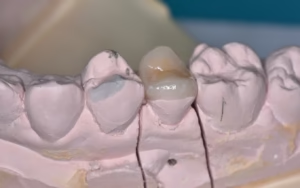
Ceramic or composite onlays for worn back teeth
Back teeth that have lost cusps or developed broad, flattened chewing surfaces may be better protected with onlays or overlays. These restorations cover the damaged part of the tooth and rebuild the chewing anatomy without necessarily enclosing the whole tooth.
Onlays are often preferable to full crowns when enough sound tooth remains. They can be made from carefully selected ceramic or, in some situations, composite materials. The choice depends on the available space, bite forces, aesthetic demands and whether the tooth has cracks, large existing fillings or reduced structural strength.
Crowns where the tooth needs full protection
A crown is not automatically the best response to wear, but it can be the most reliable treatment when a tooth is extensively weakened, heavily restored, fractured or has too little remaining structure for an onlay to be dependable. A well-planned crown restores contour, strength and function.
The key is preparation that is justified by the condition of the tooth. Crowns involve more tooth reduction than bonding or onlays, so they should be selected with care. They also need adequate room between the upper and lower teeth. If wear has reduced that space, simply placing thicker crowns without a bite plan can create an uncomfortable or unstable result.
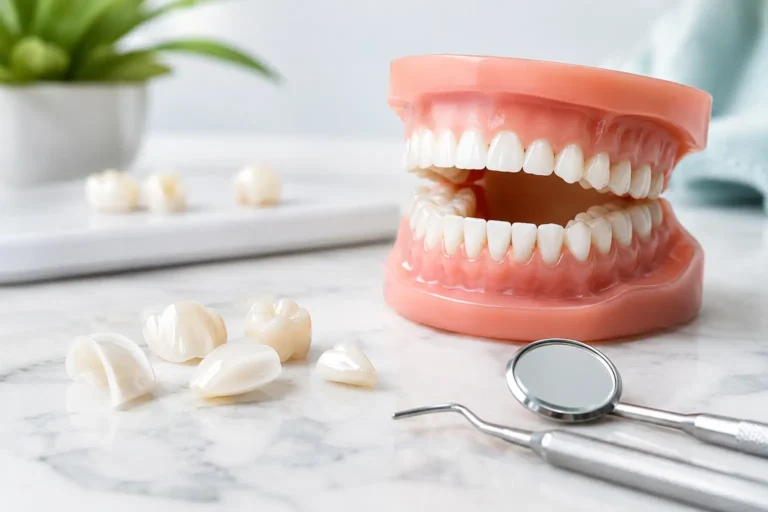
Veneers for selected front teeth
Veneers may improve the appearance of worn front teeth where enamel loss is limited and the underlying bite has been properly assessed. They can restore length, shape and colour with a highly natural result. Yet veneers are not a shortcut for active tooth wear.
If a patient is still grinding heavily, has an unstable bite or lacks sufficient enamel for predictable bonding, veneers alone may be at risk. In such cases, protective splint therapy, additive bonding, bite adjustment or more comprehensive restoration may be needed first. The objective is not simply a straighter-looking smile, but one that can cope with normal function.
Full-mouth rehabilitation for advanced wear
When wear affects many teeth, has significantly shortened the bite, or is accompanied by repeated fractures and failing restorations, a full-mouth rehabilitation may be appropriate. This involves restoring multiple teeth in a planned sequence to rebuild function, tooth proportions and a comfortable bite relationship.
It is detailed work. The proposed bite position and tooth shapes should be assessed in temporary or trial restorations before definitive ceramics are made. This allows adjustments to speech, appearance, chewing and comfort while avoiding irreversible surprises. Treatment may combine bonding, onlays, crowns and replacement of old restorations rather than placing the same solution on every tooth.
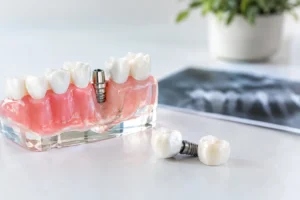
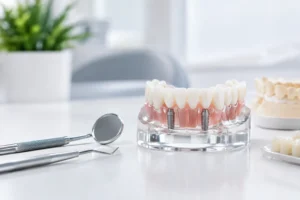
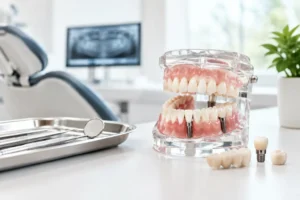
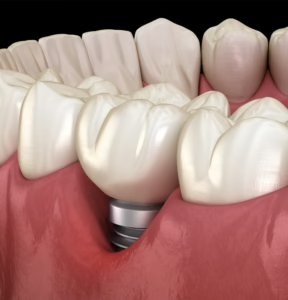
For patients whose teeth are no longer restorable, implant-supported solutions can form part of a broader rehabilitation plan. This may include individual implants, bridges or a fixed full-arch solution such as All-on-Four, All-on-Six or All-on-X, depending on bone support, medical health and the condition of the remaining teeth. Extracting teeth is never the first choice when they can be predictably retained, but keeping failing teeth at all costs is not always the kinder long-term option.
The bite is as important as the material
A beautiful ceramic restoration can still fail if it receives damaging forces in the wrong place. This is why occlusion – the way teeth meet and move against each other – should guide treatment planning for tooth wear. Restorations must be designed around chewing, speech and jaw movements, not just a static photograph of the smile.
Material selection also deserves individual thought. Modern ceramics can be exceptionally lifelike and strong, while composite remains valuable for conservative and repairable treatment. Harder is not always better. A material that is too aggressive against opposing natural teeth, or placed without suitable thickness and support, may create new problems.
At Maison Dentaire, restorative treatment is planned and delivered by a specialist prosthodontist, with close attention to bite function, aesthetics and the long-term behaviour of each restoration. A written plan should make clear what is being treated, why each option has been recommended, the likely maintenance involved and the stages of care.
When to seek an assessment
Arrange an assessment if your teeth are becoming shorter, sharper or more sensitive; fillings repeatedly chip; you wake with tired jaw muscles or headaches; or your bite has changed. Patients who have extensive wear but no pain should not assume there is no urgency. Wear can progress quietly until a tooth cracks or a restoration fails.
The most successful treatment is usually the one that intervenes at the right level: no more destructive than necessary, but strong enough to protect the teeth for the years ahead. A careful diagnosis now can preserve options that become harder, and more costly, once further tooth structure is lost.