
A newly fitted crown should feel like part of your natural tooth, not a constant reminder when you drink water or bite your lunch. Mild sensitivity can occur while the tooth and surrounding tissues settle. Persistent, worsening or sharp pain, however, deserves a proper assessment. Knowing how to manage crown sensitivity starts with recognising the difference between temporary healing and a problem that needs treatment.
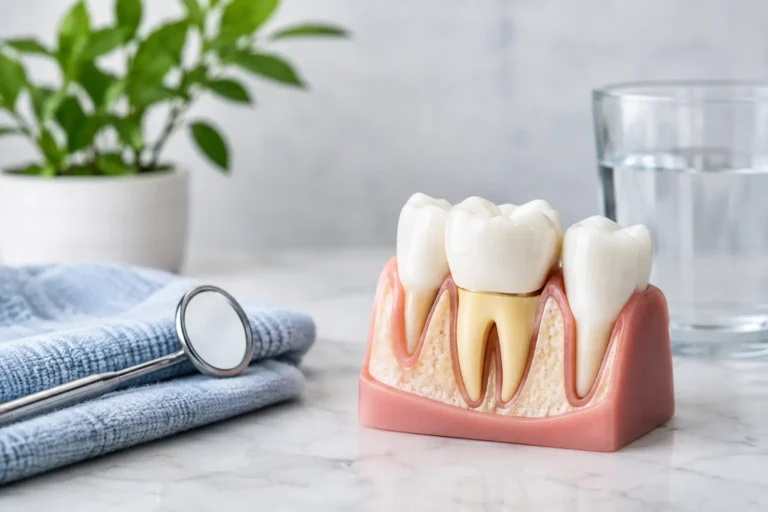
A crown covers and protects a weakened, heavily restored or root-treated tooth. While the crown itself cannot feel hot or cold, the tooth, gum and supporting tissues underneath it can. The right response depends on the cause, which is why repeated adjustments at home are not a substitute for a careful clinical review.
Why a crown can feel sensitive
Sensitivity after a crown is not always a sign that something has gone wrong. Preparing a tooth for a crown can temporarily irritate the nerve inside it, particularly if the tooth was already deeply filled, cracked or inflamed. The gum around the crown may also be tender after treatment, especially where a temporary crown or local anaesthetic was used.
For many patients, a mild reaction to cold, pressure or brushing gradually reduces over several days to a few weeks. The discomfort should be brief and should trend in the right direction. A lingering ache, pain that wakes you at night, or discomfort that becomes more intense rather than less intense is not something to simply tolerate.
The most common reasons for crown sensitivity include a bite that is slightly too high, exposed root surface near the crown margin, gum inflammation, leakage around an older crown, a crack in the underlying tooth, or inflammation of the dental pulp. Occasionally, sensitivity is coming from a neighbouring tooth rather than the crowned tooth. A precise examination is needed to identify the source.
How to manage crown sensitivity in the first few weeks
If your crown was fitted recently and the sensitivity is mild, begin with sensible protection rather than testing the tooth repeatedly. Avoid very cold drinks, ice, highly acidic foods and extremes of temperature for a short period. Choose lukewarm drinks where possible, and chew on the other side if biting pressure causes discomfort.
Use a soft toothbrush and a toothpaste formulated for sensitive teeth. Brush gently along the gumline twice daily. Abrasive whitening toothpastes and vigorous scrubbing can wear the exposed root surface or irritate the gums, making sensitivity harder to settle. Continue cleaning around the crown carefully: plaque accumulation at the gumline can create tenderness and bleeding that patients may mistake for tooth pain.
If you were advised that it is safe for you, ordinary over-the-counter pain relief may help during the first few days after treatment. Follow the label directions and seek advice from a pharmacist or doctor if you have medical conditions, take regular medicines, are pregnant, or are uncertain which option is appropriate. Do not place aspirin, clove oil or other substances directly onto the gum or crown. These can irritate soft tissues and do not address the underlying cause.
A temporary crown requires particular care. Avoid sticky foods such as toffees and chewing gum, as these can dislodge it. If the temporary crown feels loose, cracks, falls off or exposes a sharp edge, contact your dental team promptly. Do not attempt to permanently glue it back yourself.
Check whether your bite feels even
One of the most straightforward causes of pain after a new crown is a bite that is fractionally high. Teeth are highly sensitive to pressure. Even a small premature contact can overload the ligament around the root, producing a bruised feeling when chewing or when tapping the tooth together.
You may notice that the crowned tooth touches first, feels taller than the teeth around it, or hurts mainly when you bite down and release. This is not a problem to wait out for months. A simple, carefully controlled adjustment can often relieve the pressure quickly. It should be done by a dentist, because reducing too much crown material can affect the bite and the crown’s long-term form.
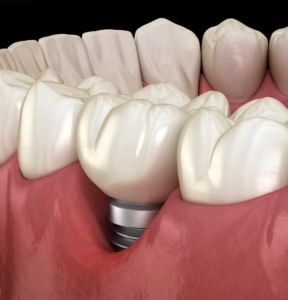
This matters especially for patients with several crowns, veneers, bridges or implant restorations. Teeth, muscles and jaw joints work as one system. A crown should be shaped and adjusted not only to look natural, but also to distribute biting forces appropriately during chewing and jaw movement.
When sensitivity needs an earlier review
Arrange a review without delay if pain is severe, spontaneous or worsening. The same applies if hot drinks trigger pain that lingers, if you develop swelling, a gum boil, fever, a bad taste, or pain on biting that does not improve. These signs can indicate infection, significant pulp inflammation, a crack, or another condition that needs clinical treatment.
Contact the dentist urgently if a crown is loose, fractured, or if you can see a dark gap around its edge. A damaged or poorly sealed margin may allow bacteria beneath the restoration. Early care may protect the remaining tooth structure; delaying can turn a manageable issue into a need for root canal treatment or, in more advanced cases, extraction.
Sensitivity in an older crown should also be assessed. Crowns do not last indefinitely, even when they are made from high-quality materials. Changes in the gum, bite, underlying tooth or neighbouring teeth can occur years later. The answer is not automatically to replace the crown. A thorough examination, bite assessment and appropriate radiographs help determine whether the crown, the tooth beneath it, or another area is responsible.
Why the underlying tooth matters
A crown is a protective restoration, not a guarantee that the tooth can never develop further problems. If the dental nerve was very close to a deep old filling or decay, it may have been compromised before the crown was placed. Sometimes the nerve settles after treatment. In other cases, it continues to deteriorate and root canal treatment becomes necessary.
This can be frustrating, but it does not necessarily mean the crown was inappropriate or unsuccessful. The decision to place a crown is based on the condition of the tooth at that time and the aim of preserving it. A carefully planned root canal can often be carried out through the crown, allowing it to remain in place where clinically suitable.
Cracks are another consideration. A crown can hold a weakened tooth together, but a crack extending into the root may have a more guarded prognosis. The pattern of pain, clinical tests and imaging all guide the diagnosis. This is precisely why an assessment should not rely on symptoms alone.
Protecting your crown for the long term
Once sensitivity has settled, daily habits make a meaningful difference. Clean around the crown and between the teeth every day using the method recommended for your mouth. For a single crown, interdental brushes or floss may be suitable; for a bridge, a specialist may recommend threaders or other cleaning aids. The correct approach depends on the restoration design and the space around it.
If you clench or grind your teeth, discuss a protective night guard. Bruxism can place substantial force on crowns, natural teeth and implant restorations. A guard is not appropriate in every case, but when indicated and accurately made, it can help protect the bite and reduce overload.
Regular reviews allow small changes to be detected early. At Maison Dentaire, restorative treatment is planned with attention to tooth structure, gum health, aesthetics and occlusion, because a crown needs to function comfortably as well as look convincing. For complex restorative work, that level of detail is central to long-term stability.
A sensitive crown is often manageable, particularly when the cause is identified early. Be gentle with the tooth, avoid extremes while it settles, and do not ignore pain that persists or changes character. A timely, precise review can provide reassurance when healing is normal and protect your tooth when it is not.