

Relieve Pain & Save Your Tooth
Root Canal Treatment in Kuala Lumpur
Root canal treatment has a reputation that it does not deserve. The procedure itself is no more uncomfortable than a filling, and for most patients, it provides immediate relief from the kind of tooth pain that has been keeping them up at night.
If you are experiencing persistent toothache, sensitivity, swelling, or have been told your tooth is infected, root canal treatment may be the most effective way to save it. At Maison Dentaire Specialist Clinic, we carry out root canal treatment with precision, care, and modern techniques to ensure a comfortable experience and a long-lasting result.
What Is Root Canal Treatment?
Commonly known as endodontic therapy, a root canal treatment removes infected or inflamed pulp from inside the tooth. The tooth is then cleaned, disinfected, and sealed to prevent reinfection.

When Do You Need a Root Canal?
You may require root canal treatment if you experience:
Persistent toothache or throbbing pain
Sensitivity to hot or cold that lingers
Swelling or tenderness of the gums
Pain when biting or chewing
A cracked, heavily filled, or previously injured tooth
A darkened or discoloured tooth
Sometimes, infection may be present without obvious pain, which is why dental examination and X-rays are essential.
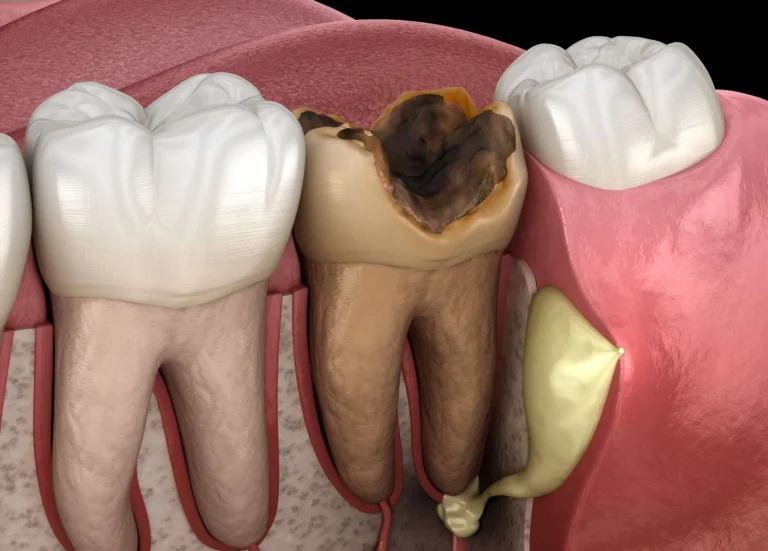
Why Saving Your Natural Tooth Matters
Preserving your natural tooth helps to:
Maintain proper chewing function
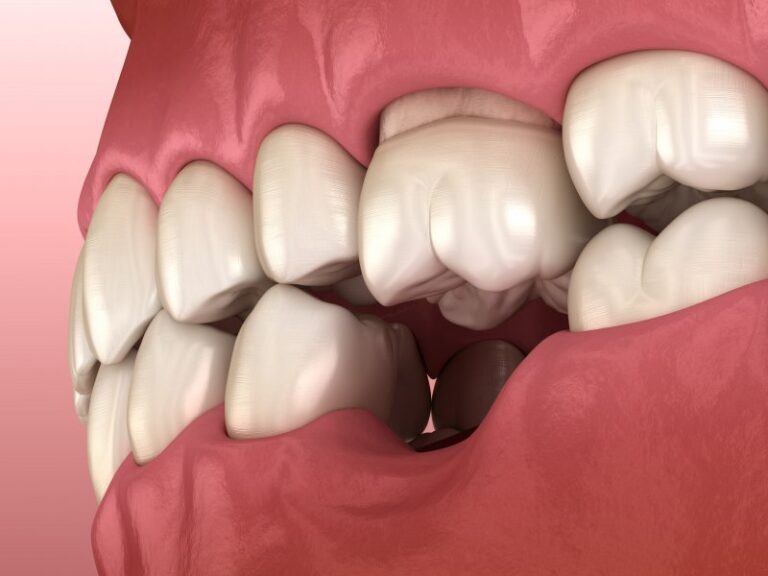
Prevent neighbouring teeth from shifting
Preserve jawbone health
Avoid more complex and costly treatments later
Root canal treatment allows you to keep your tooth while restoring comfort and function.
Patients from across Kuala Lumpur, including Mont Kiara, Damansara Heights, and Bangsar, visit Maison Dentaire for root canal treatment when they want a careful, unhurried approach to saving a tooth they have been told may need extraction.
What to Expect During Root Canal Treatment
Root canal treatment is more straightforward than most patients expect. Here is what happens at each stage.
Assessment and Diagnosis
We begin with a clinical examination and X-rays to assess the extent of infection or inflammation inside the tooth. In some cases a CBCT scan provides a more detailed view of the root anatomy before treatment begins. We explain our findings clearly and confirm the treatment plan before proceeding.
Anaesthesia and Isolation
Local anaesthesia is administered to ensure you feel comfortable and pain-free throughout. A rubber dam is placed around the tooth to isolate it from saliva and bacteria — keeping the area clean and reducing the risk of reinfection during treatment.
Cleaning and Shaping
We access the pulp chamber and root canals through a small opening in the tooth. Using precision rotary instruments, we carefully remove the infected or inflamed pulp tissue, clean the canals thoroughly, and shape them to allow for proper sealing. Irrigation with antibacterial solution removes remaining bacteria.
Sealing the Canals
Once the canals are clean and dry, we fill and seal them with a biocompatible material called gutta-percha. This prevents bacteria from re-entering the tooth and causing further infection.
Restoring the Tooth
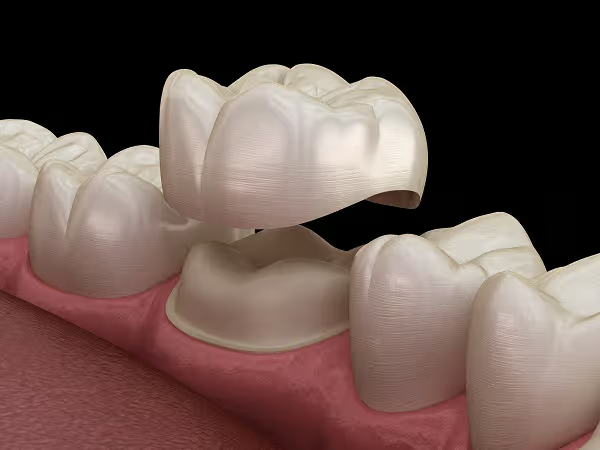
A temporary or permanent filling closes the access opening. In most cases, a crown or onlay is recommended afterward to protect the treated tooth from fracture — particularly for back teeth that bear heavy chewing forces. We discuss the most appropriate restoration option with you before treatment ends.
What Happens After Root Canal Treatment?
After treatment:
The tooth may feel slightly sensitive for a short period
Normal chewing function usually returns quickly
A permanent restoration (such as onlay or a crown) may be recommended to protect the tooth
If you’re unsure which is more suitable, you can read our guide on onlay vs crown: which is better for your tooth?
Root Canal Treatment FAQ
ask us
anything
Is root canal treatment painful?
Most patients are surprised by how comfortable the procedure is. Local anaesthesia ensures you feel no pain during treatment — only pressure at times. Some soreness around the tooth is normal for a few days afterward as the surrounding tissues heal. This usually settles with over-the-counter pain relief.
How many visits does root canal treatment take?
Some teeth can be treated in a single visit. Others — particularly those with more complex root anatomy or persistent infection — require two or more appointments. We assess your tooth carefully and explain the expected timeline before treatment begins.
Is root canal treatment better than extraction?
We always prefer to save a natural tooth where possible. A tooth that functions well in your mouth is almost always better than a gap or a replacement. Root canal treatment removes infection and preserves the tooth while extraction removes it permanently. When a tooth genuinely cannot be saved, we discuss suitable replacement options at the same appointment including dental implants.
Do I need a crown after root canal treatment?
Often yes — particularly for back teeth. Root canal treatment removes the pulp that supplies the tooth with moisture, which can make it more brittle over time. A crown or onlay protects the tooth from cracking under normal biting forces. Whether a crown or onlay is more appropriate depends on how much healthy tooth structure remains. Read our guide: Onlay vs Crown — Which Is Better for Your Tooth? →
How long does a root canal treated tooth last?
With proper restoration and good oral hygiene, a root canal treated tooth can last many years — sometimes a lifetime. Longevity depends on the quality of the final restoration, your bite habits, and regular dental reviews.
What happens if I don't treat an infected tooth?
Dental infections do not resolve on their own. Left untreated, infection spreads to the surrounding bone and tissues and can become a serious health concern. Early treatment gives the tooth the best chance of survival and prevents the infection from affecting neighbouring teeth or your general health.
Book a Root Canal Consultation in Kuala Lumpur
At Maison Dentaire Specialist Clinic, Dr. Lee Pei Nee, an MDC-registered prosthodontist, assesses your tooth carefully and explains your options clearly before any treatment begins.
If you are in pain or have been told you need a root canal, do not delay. Early treatment preserves more of your natural tooth and reduces the risk of the infection spreading. Book a consultation at our KL City Centre clinic today.