

Long-Lasting Tooth Replacement
Dental Implants in Kuala Lumpur
Losing a tooth affects more than your smile. It changes how you eat, how you speak, and over time, how your face looks. Dental implants offer the closest thing to a natural tooth replacement available in modern dentistry — a stable, permanent solution that looks, feels, and functions like the real thing.
At Maison Dentaire Specialist Clinic, every implant case is assessed and restored by Dr. Lee Pei Nee, registered with the Malaysian Dental Council as a specialist prosthodontist with postgraduate training from the University of Hong Kong. From single tooth replacements to full-arch restorations, every treatment plan is built around your specific anatomy, bone volume, and long-term oral health goals.
What Are Dental Implants?
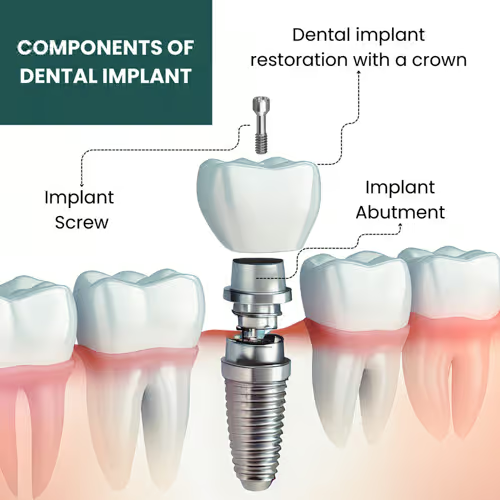
A dental implant replaces the root of a missing tooth. It is a small titanium post placed into the jawbone, where it gradually integrates with the bone. Once placed, the implant undergoes osseointegration — a process where the titanium fuses with the surrounding jawbone over several months, creating a stable, permanent foundation for the final restoration.
Dental implants can replace:
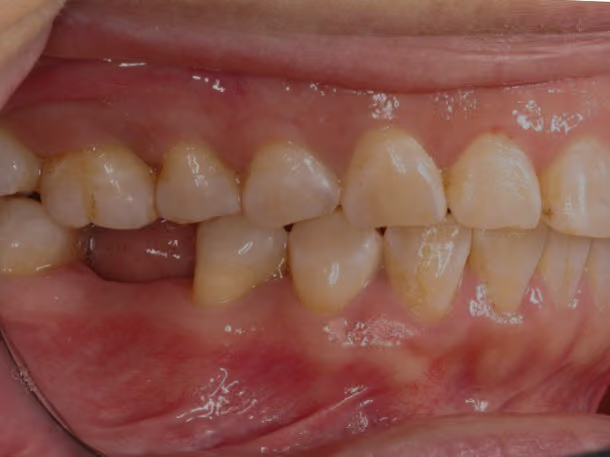
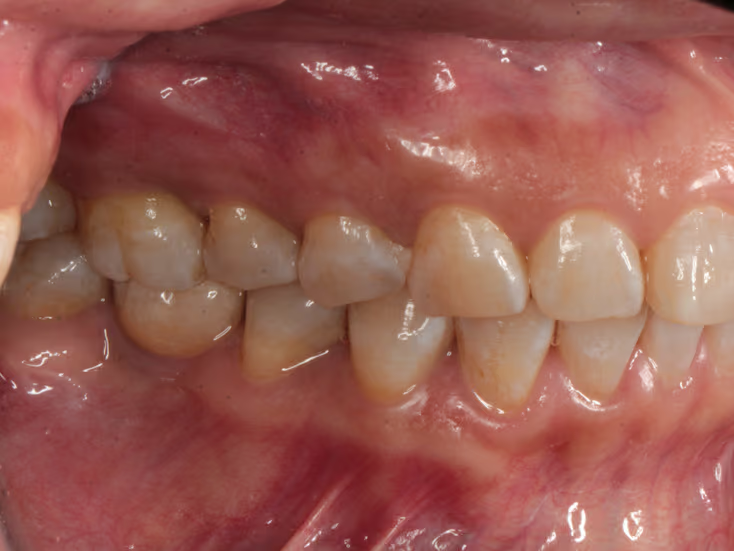
A single missing tooth
Multiple missing teeth
All teeth using implant-supported restorations
Because implants stimulate the jawbone, they help reduce bone loss that often follows tooth removal.
Why Choose Dental Implants?
Dental implants restore both function and confidence. Compared to removable options, they feel more secure and predictable in daily life.
Chew Comfortably and Confidently
Implants are anchored into the jawbone, giving you the same biting strength as natural teeth.
Maintain Jawbone and Facial Support
Implants stimulate the jawbone, preventing the bone loss and facial shrinkage that follows tooth loss.
No Movement During Speech
Unlike removable dentures, implants stay firmly in place — no slipping or shifting when you talk or laugh.
Natural-Looking Smile
Each crown is custom-made to match your surrounding teeth in colour, shape, and proportions.
Long-Lasting Solution
With proper care and regular reviews, implants can last many years — often decades.
We explain the differences between dentures, bridges, and dental implants in more detail in our guide, Lost One or More Teeth? Here’s What You Need to Know, which may help you decide what suits your needs and long-term goals.
Patients requiring multiple implants alongside crowns and bite reconstruction may benefit from a full mouth rehabilitation approach.
Am I Suitable for Dental Implants?
You may be a good candidate if you:
One or More Missing Teeth
Implants can replace a single tooth, multiple teeth, or a full arch depending on your needs.
Good Oral Hygiene
Healthy gums and consistent home care are essential for long-term implant success.
Adequate Bone Volume
Sufficient jawbone is needed to support the implant. If bone is reduced, grafting may still make implants possible.
Certain medical conditions, smoking, or untreated gum disease may affect implant success.
Even if you have reduced bone volume, you may still be eligible. In some cases, bone grafting or staged treatment allows implants to be placed safely and predictably. We assess this carefully during your consultation. Patients from across Kuala Lumpur, including Mont Kiara, Damansara Heights, and Bangsar, visit Maison Dentaire for implant assessments that require specialist-level planning beyond what a general dental clinic can offer.
What If I Don't Have Enough Bone for Implants?
One of the most common concerns patients have is whether they have enough bone to support a dental implant. When a tooth is lost, the surrounding jawbone gradually shrinks over time. This bone loss can make implant placement more challenging, but it does not always mean implants are out of reach.
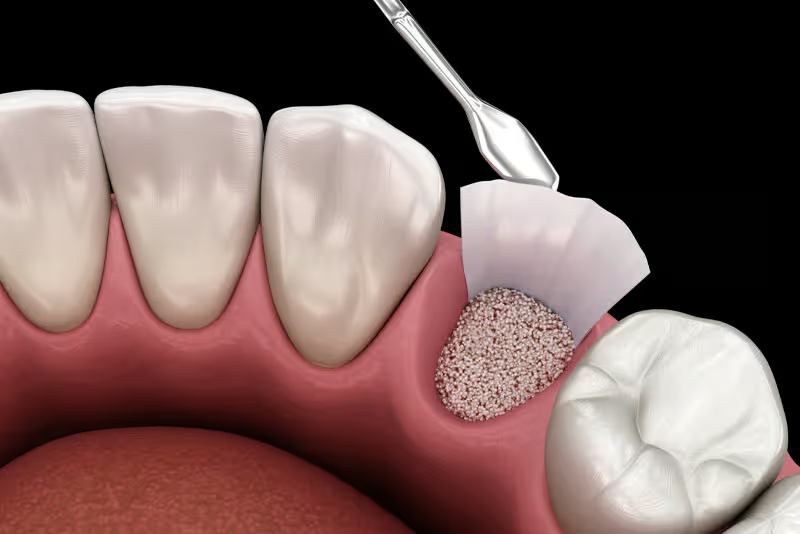
In cases where bone volume is insufficient, a bone graft may be recommended before or at the time of implant placement. A bone graft adds volume and density to the jawbone, creating a more stable foundation for the implant to integrate with.
There are different types of bone grafting procedures depending on how much bone is needed and where it is required:
Socket Preservation
Carried out at the time of tooth extraction to minimise bone loss and preserve the site for future implant placement.
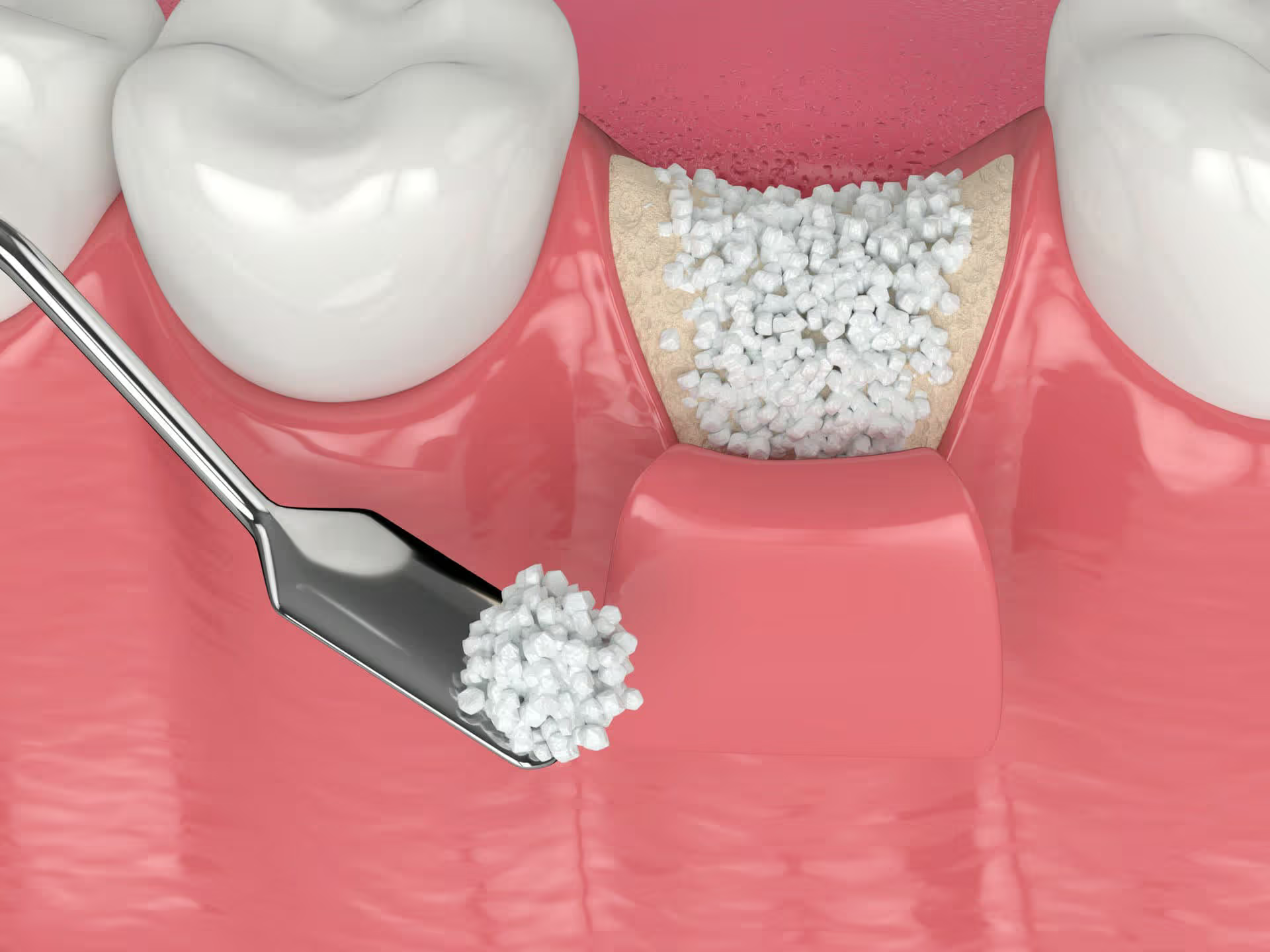
Bone Graft
Adds bone to a specific area where volume is insufficient for implant placement.
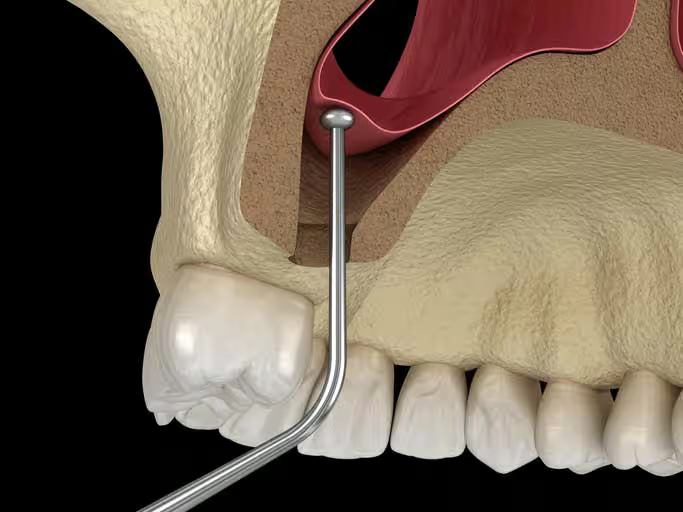
Sinus Lift
Used when placing implants in the upper back jaw where the sinus cavity sits close to the bone. The procedure creates space by lifting the sinus floor and adding bone beneath it.
Not every patient requires grafting. During your consultation, a thorough assessment of your bone volume and density determines whether grafting is necessary, and the most appropriate approach is discussed with you clearly before any treatment begins.
Our Dental Implant Options
We tailor every implant treatment to your oral condition, bite, and long-term needs.
All-On-X
Single Tooth Implant
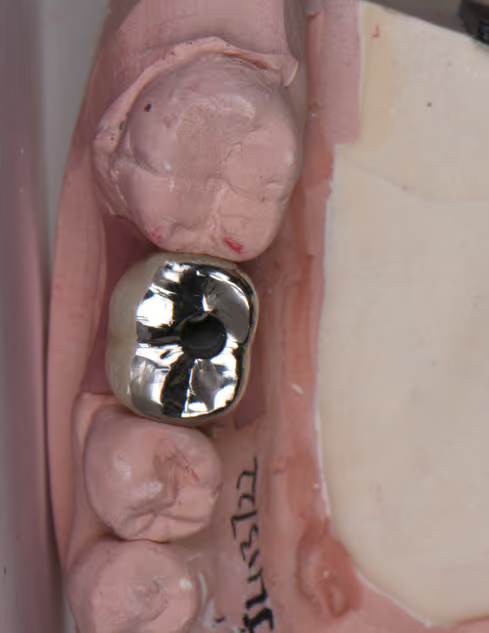
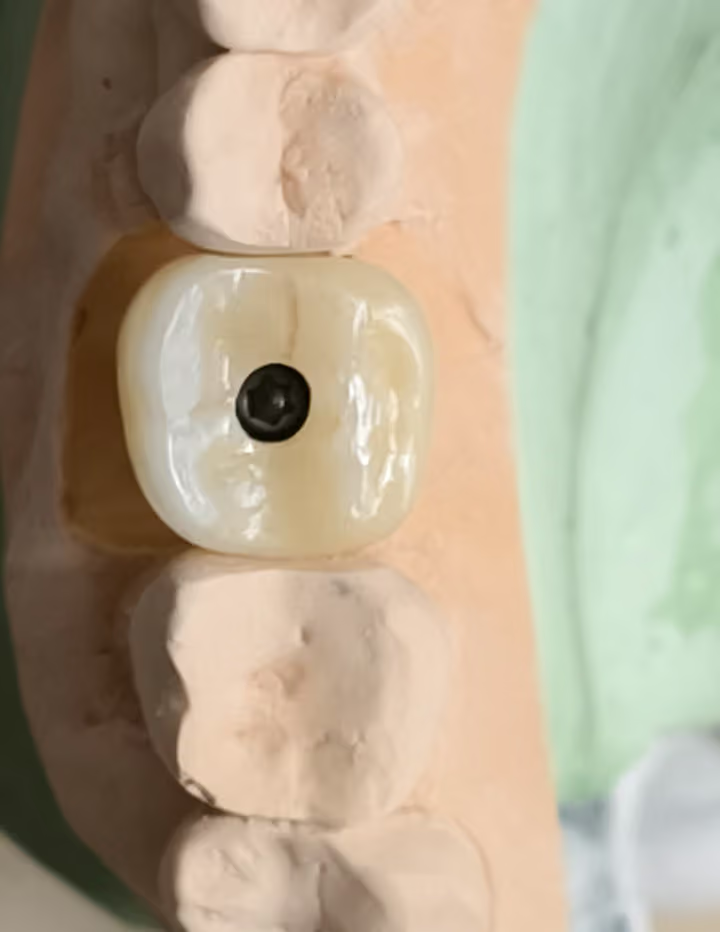
A single tooth implant replaces one missing tooth with an individual titanium post placed directly into the jawbone. Once the implant integrates with your bone, we attach a custom crown that matches your natural teeth in color and shape. This solution gives you the look, feel, and function of a real tooth and prevents neighbouring teeth from shifting.
Ideal for:
Patients missing one tooth
Those who want a permanent, natural-looking restoration
Patients who do not want to grind down neighbouring healthy teeth
People who want to preserve jawbone health and bite alignment
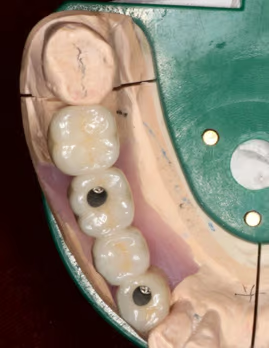
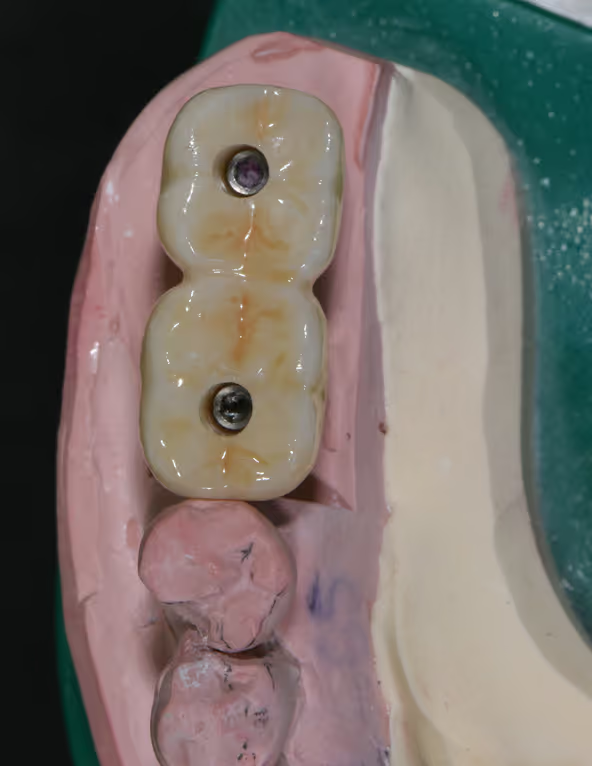
Implant-Supported Bridge
An implant-supported bridge replaces several missing teeth in a row using implants as anchors instead of relying on adjacent natural teeth. We place two or more implants and then attach a fixed bridge that spans the space. This gives you a strong, stable restoration that feels and functions like your own teeth, without wearing down healthy teeth for support.
Ideal for:
Patients missing multiple adjacent teeth
Patients with a missing last back tooth, where there is no tooth behind to support a conventional bridge
Patients where the missing span is too long for a conventional bridge, making it unstable or unsuitable
Those who want a fixed solution without removable dentures
Patients who want improved chewing function and long-term stability
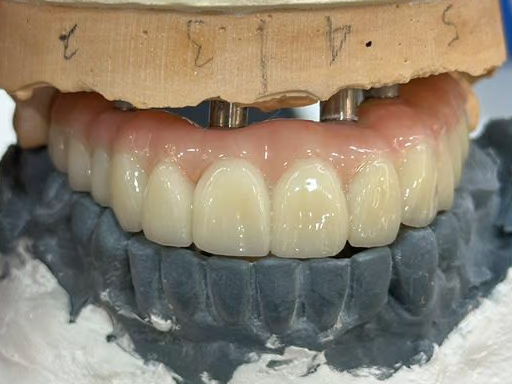
Full Arch Implants — All-on-4 & All-on-X
All-on-X replaces a full upper or lower set of teeth using dental implants for support.
The number of implants used (X) varies from patient to patient. We decide this based on your bone support, bite, and overall treatment goals.
We place the implants in carefully planned positions to create a strong foundation for a fixed set of teeth. In some cases, this approach allows us to avoid more extensive bone grafting.
Once the implants are in place, we attach a fixed prosthesis that does not move or come out. This restores chewing ability, speech, and facial support. For suitable patients, we can provide temporary teeth on the same day as implant placement.
Ideal for:
Patients missing most or all teeth in one or both arches
Patients who want a fixed solution instead of removable dentures
Patients looking to restore comfort, function, and confidence
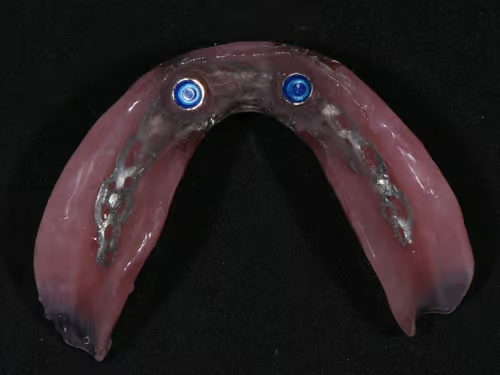
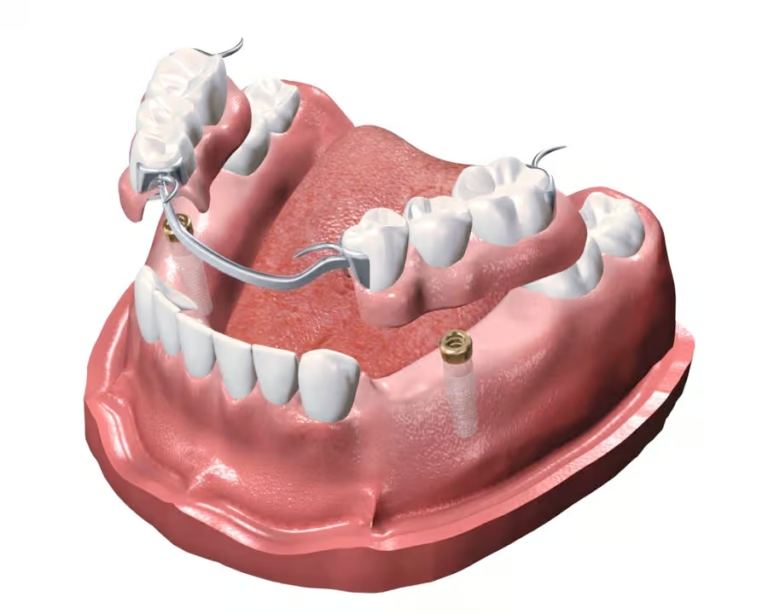
Implant-Supported Denture
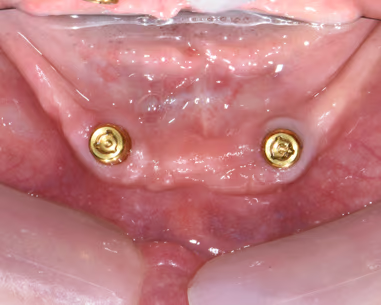
Implant-supported dentures use dental implants to improve the stability and retention of removable dentures, especially in patients with bone loss or poor denture retention.
Implant-supported overdenture
- Usually replaces a full upper or lower arch and is secured using two or more implants, providing far greater stability and retention than conventional dentures that rely on suction.
Implant-supported partial denture
- Replaces several missing teeth and uses implants to improve retention when there are not enough natural teeth to support a traditional partial denture.
With improved stability, patients can eat, speak, and smile with greater confidence. Implant-supported dentures also help slow further bone loss over time.
Ideal for:
Patients with loose full or partial dentures due to bone loss
Patients missing all teeth or several teeth in the upper or lower jaw
Patients with insufficient natural teeth for denture support
Those who want better stability without committing to a full-arch fixed bridge
What to Expect with Dental Implant Treatment
After implant placement, some swelling, tenderness, or mild discomfort is normal for a few days. These symptoms usually settle with simple care and medication as advised. We monitor healing closely and guide you through each stage until the final restoration is placed.
Dental implant treatment is not the same for every patient. A single-tooth implant and a full-arch solution involve different planning, timelines, and stages. In general, treatment includes careful assessment, implant placement, a healing phase, and final restoration. The exact approach depends on the number of teeth being replaced, bone support, and overall treatment goals.
During your consultation, we explain the recommended plan clearly so you understand what to expect before treatment begins.
For a detailed overview of what to consider before committing to implant treatment, including health conditions, bone volume, and alternatives, see our full guide: Before You Say Yes to Implants, Read This →
Dental Implants FAQ
ask us
anything
Are dental implants painful?
We carry out implant treatment with your comfort in mind and use local anaesthesia during the procedure. Most patients report mild discomfort afterward, which settles within a few days.
How long do dental implants last?
With good oral hygiene and regular dental reviews, implants can last many years, often decades. Long-term success depends on care, bite forces, and overall oral health.
Can implants fail?
Implant failure is uncommon, but it can occur, especially if healing is compromised or oral hygiene is poor. We minimise risks by careful planning and close follow-up.
How do I care for dental implants?
Self-care plays the most important role in maintaining your dental implants.
We will provide clear, personalised instructions tailored to your needs. You will need to maintain good plaque control using the appropriate cleaning techniques and aids, such as specialised toothbrushes, interdental brushes, and floss.
Regular reviews with the dentist are essential. Occasionally, fixed restorations may need to be temporarily removed to allow thorough professional cleaning.
Can anyone get dental implants?
Not everyone is suitable for dental implants straight away. Implants may not be recommended if you have:
Active gum or dental disease
Incomplete jaw growth
Heavy smoking or high alcohol intake
Certain medical conditions or medications
Difficulty committing to treatment and long-term maintenance
During your consultation, your oral health, medical history, and individual circumstances are assessed carefully to determine whether implant treatment is suitable or whether preparatory treatment is needed first.
How much do dental implants cost in Kuala Lumpur?
The cost of dental implants depends on the number of implants, the type of restoration, and whether additional procedures such as bone grafting are required. After assessment, we provide a personalised treatment plan with transparent fees before treatment begins.
Book a Dental Implant Consultation
At Maison Dentaire Specialist Clinic, Dr. Lee Pei Nee, a MDC-registered prosthodontist, assesses your suitability for implants carefully — evaluating your bone volume, gum health, bite, and medical history before recommending any treatment. You receive a clear, personalised treatment plan with transparent fees before anything begins.
If you are considering dental implants in Kuala Lumpur, booking a consultation is the best place to start.