
Losing a tooth isn’t just about how your smile looks. It can make eating your favourite foods tricky, affect how you speak, and even change the shape of your face over time. The good news is that modern dentistry offers several reliable options to replace missing teeth and restore both function and confidence.
If you are thinking about replacing a missing tooth, this guide covers your main options, what to expect, and how to decide what is right for you.
Why Replacing Missing Teeth Matters
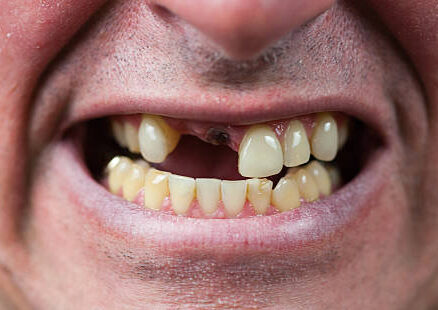
Many patients assume that replacing a missing tooth is purely a cosmetic concern. In reality, leaving a gap untreated can affect your oral health in several important ways.
Chewing difficulties: Gaps make it harder to eat certain foods, which can affect your nutrition and digestion over time.
Speech changes: Missing front teeth or gaps in specific positions can make certain sounds and words harder to pronounce clearly.
Bone loss: Your jawbone needs stimulation from tooth roots to stay healthy. Once a tooth is lost, the bone in that area begins to shrink gradually. This process continues for as long as the gap remains.
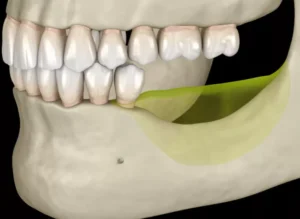
Facial changes: As the jawbone loses volume, the overlying facial tissue loses support. Over time, this can make your face appear sunken or aged around the affected area.

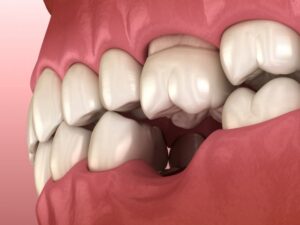
Shifting teeth: Teeth adjacent to a gap tend to tilt or drift into the empty space. Teeth opposite the gap may over-erupt downward or upward. Both lead to bite problems and make future treatment more complicated.
Reduced confidence:
Visible gaps in your smile can affect how often you smile or speak in social and professional situations.
Replacing a missing tooth protects your remaining teeth, preserves your jawbone, maintains your facial structure, and restores your quality of life.

Your Tooth Replacement Options
There are four main options for replacing missing teeth. Each has different advantages, clinical requirements, and considerations. The right choice depends on your oral health, the number of teeth involved, your medical history, and your personal goals.
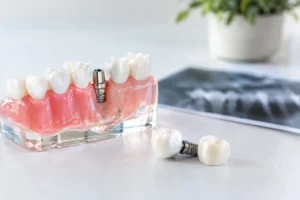
Dental Implants
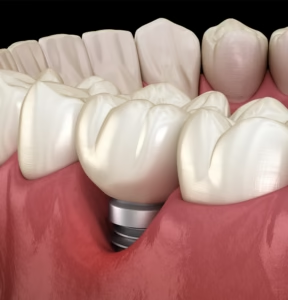
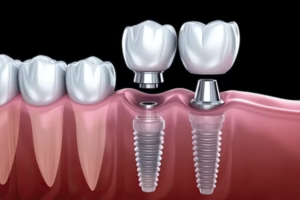
A dental implant is a small titanium post placed into the jawbone to act like a natural tooth root. Once it integrates with the bone, a crown is attached on top to complete the restoration. The result looks, feels, and functions like a natural tooth.
Benefits:
Looks and functions like a natural tooth
Helps preserve jawbone by stimulating the bone through chewing
Leaves neighbouring teeth completely untouched
A long-lasting solution with proper care
Best for: Replacing a single tooth, multiple individual gaps, or full-arch restorations using implant-supported bridges or overdentures.
For a detailed look at what to consider before committing to implant treatment, read our guide: Before You Say Yes to Implants, Read This →
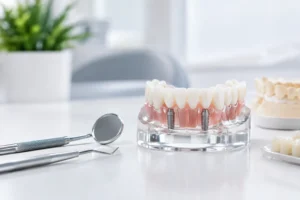
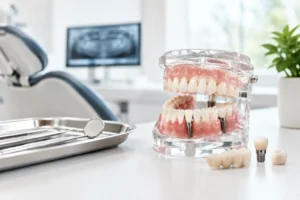
Implant-Supported Dentures / Full-Arch Solutions
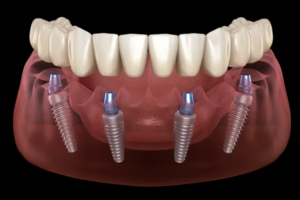
When most or all teeth on a jaw are missing, implants can support either a fixed bridge — commonly known as All-on-4 or All-on-X — or a removable implant overdenture. Both options provide significantly more stability and function than traditional removable dentures.
For patients requiring extensive reconstruction across multiple teeth and both jaws, this may form part of a broader full mouth rehabilitation plan.
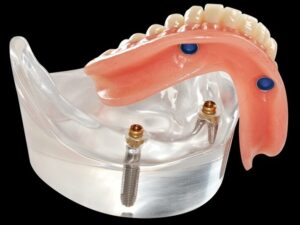
Benefits:
Much more stable and secure than conventional dentures
Fixed bridge options provide a permanent, non-removable solution
Restores strong chewing ability
Can be placed even where some bone loss has occurred, using angled implant positions
Removable overdentures are easier to clean and maintain than fixed bridges
Best for: Patients who have lost most or all teeth on one or both jaws and want a stable, functional, long-term solution.
Dental Bridges
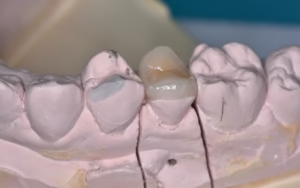
A dental bridge replaces a missing tooth by anchoring a false tooth to the healthy teeth on either side of the gap. The neighbouring teeth are prepared and crowned to support the bridge, which is fixed permanently in place.
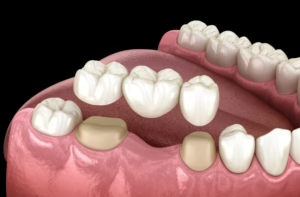
Benefits:
- Fixed in place — feels stable and secure
- Restores chewing function and appearance
- No surgery required
- Completed in fewer visits than an implant
Things to keep in mind:
- The neighbouring anchor teeth need to be prepared (trimmed) to support the bridge
- A bridge does not prevent bone loss in the area beneath the missing tooth
- Good cleaning technique is important — a bridge requires special flossing tools to clean beneath it properly
Best for: Patients who are not suitable for implants, or who prefer a fixed, non-surgical solution for one or a few missing teeth.
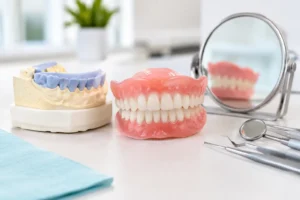
Removable Dentures
Dentures are a non-surgical option for replacing multiple missing teeth. Partial dentures replace a few teeth while retaining the remaining natural teeth; full dentures replace all teeth on a jaw.
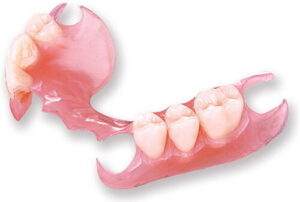
Benefits:
- Non-invasive and no surgery required
- More affordable than implant-based options
- Easy to clean and adjust
- Can be modified as your mouth changes over time
Things to keep in mind:
- Less stable than fixed options — some patients find them less comfortable initially
- May need periodic adjustment or relining as the jawbone changes shape over time
- Do not prevent ongoing bone loss beneath the denture
Best for: Patients replacing multiple teeth who prefer a non-surgical, more affordable option, or those who are not medically suitable for implants.
Which Option Is Right For You?
There is no single best solution that applies to every patient. The right choice depends on several factors working together.
- Number of teeth to replace. A single missing tooth, multiple gaps, and full-arch tooth loss each call for different approaches.
Jawbone health. Adequate bone volume is essential for implant placement. Where bone has been lost, grafting may be possible — but not always.
Medical history. Conditions such as diabetes, osteoporosis, active gum disease, or the use of certain medications can affect healing and treatment options. These need to be assessed carefully before treatment begins. Active gum disease needs to be managed before implant treatment can begin — learn more about our scaling and root debridement service.
Lifestyle. Smoking significantly slows healing and increases the risk of implant failure. Eating habits, daily comfort, and speech are also worth considering when choosing between fixed and removable options.
Personal goals. Some patients prioritise a permanent, natural-feeling result. Others prioritise convenience, speed, or affordability. Both are valid starting points.
Time. Implant treatment from consultation to final crown typically takes 3 to 6 months, or longer if bone grafting is needed. Bridges and dentures can often be completed much sooner.
Budget. Consider not just the initial cost but long-term maintenance and the likelihood of needing replacement over time.
The best option balances function, comfort, your health, and your personal priorities. A thorough clinical assessment is the only way to know which options are genuinely on the table for your specific situation.
What to Expect At Your Consultation
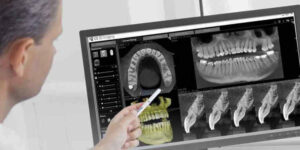
Before any treatment is recommended, a thorough assessment is carried out. This typically includes a clinical examination of your teeth, gums, and bite, along with X-rays or a 3D CBCT scan where needed to assess your bone volume and the condition of surrounding structures.
After the assessment, your options are explained clearly — including what each treatment involves, the expected timeline, and transparent fees. No treatment begins until you understand your options and feel confident in the plan.
Frequently Asked Questions (FAQs)
Does it hurt to get dental implants?
The procedure is carried out under local anaesthesia, so discomfort during treatment is minimal. Mild soreness afterward is normal and settles within a few days for most patients.
Can a missing tooth affect my other teeth or bite?
Yes. When a tooth is missing, neighbouring teeth can drift into the gap and the tooth opposite may over-erupt into the empty space. Over time this leads to bite problems, increased wear, jaw discomfort, and changes in facial appearance.
Which option feels most natural?
No replacement can fully replicate the sensation of a natural tooth since the sensory nerve is lost when a tooth is removed. However, dental implants generally come closest to the feel and function of natural teeth, followed by well-fitted fixed bridges.
How long does a tooth replacement last?
With good oral hygiene and regular dental reviews, implants can last many years. Bridges typically last 10 to 15 years or more. Dentures may need relining or replacement over time as the jawbone changes shape. Longevity depends on the type of treatment, how well it is maintained, and your bite habits.
Do I need bone grafting for implants?
Only if your jawbone does not have sufficient volume or density to support an implant safely. A 3D scan during your consultation assesses this accurately. If grafting is needed, the options and timeline are explained clearly before any decision is made.
What affects the cost of tooth replacement?
Costs depend on the type of treatment, the materials used, the number of teeth involved, and the complexity of the case. A personalised treatment plan with transparent fees is provided after your assessment so you can make an informed decision.
Book a Consultation at Our KL Specialist Clinic
Replacing missing teeth is one of the most important decisions you can make for your long-term oral health. Modern dentistry offers solutions that restore function, confidence, and a natural-looking smile — but the right choice starts with an accurate assessment.
At Maison Dentaire Specialist Clinic, every tooth replacement case is assessed and planned by Dr. Lee Pei Nee, an MDC-registered prosthodontist. We take time to understand your situation, explain your options clearly, and build a treatment plan around your specific needs and goals.
This article is for general educational purposes and does not constitute personalised medical advice. Please consult a qualified dental professional for an assessment specific to your needs.