When several teeth have been repeatedly repaired, are worn down, missing, uncomfortable or difficult to bite on, the question is rarely just which crown or implant to choose. For people researching full mouth rehabilitation Hong Kong options, the real decision is how to rebuild the mouth as one functioning system – with a stable bite, natural appearance and a plan that can be maintained over time.
Full mouth rehabilitation is not a cosmetic package or a standard set of procedures. It is a carefully sequenced treatment approach for patients whose teeth, bite or existing dental work no longer work well together. For Hong Kong patients considering care in Kuala Lumpur, the quality of diagnosis and planning should matter as much as the practicalities of travelling.
What full mouth rehabilitation is designed to address
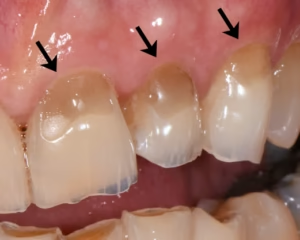
A full mouth rehabilitation may be appropriate when there are multiple concerns across the mouth: extensive tooth wear from grinding or erosion, failing crowns and bridges, missing teeth, unstable dentures, a collapsed bite, or an appearance that no longer reflects how the patient wishes to look and feel.
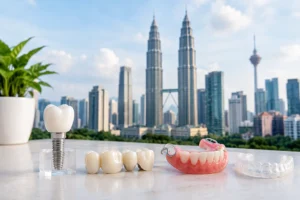
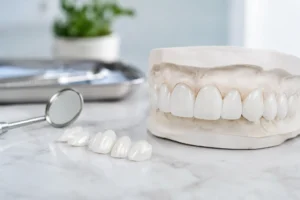
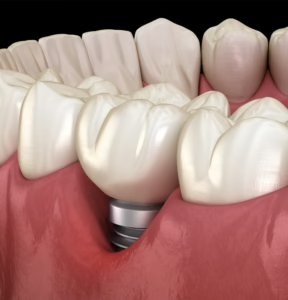
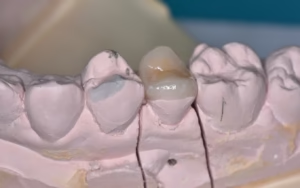
The aim is not to place the greatest number of restorations. It is to identify what can be preserved, what requires replacement and how every restoration will work together when you chew, speak and rest your jaw. In some cases, a patient may need crowns, veneers, inlays or onlays to rebuild worn teeth. In others, dental implants and a full-arch solution such as All-on-Four, All-on-Six or All-on-X may be more suitable.
Not everyone with worn or missing teeth needs a full reconstruction. A conservative plan may be preferable where healthy tooth structure can be retained. This is why a detailed assessment must come before any recommendation.
Full mouth rehabilitation for Hong Kong patients starts with the bite
A smile can look attractive in photographs but still fail if the bite is unstable. Restorations that are not planned around jaw position, chewing forces and the condition of the remaining teeth may chip, loosen or cause discomfort. Repeated repairs are often a sign that the underlying problem has not been fully addressed.
A prosthodontist brings specialist training in restoring complex dentitions, including the relationship between teeth, implants, bite function and facial aesthetics. The assessment should consider your existing restorations, gum and bone support, tooth wear pattern, jaw function and the way your teeth meet. Photographs, scans, impressions or digital records may be used to create a clear picture before treatment begins.
Where extensive changes are needed, it can be sensible to test the proposed bite and tooth shape with provisional restorations. This gives both patient and clinician an opportunity to assess comfort, speech, appearance and function before the final work is completed. It takes more care, but it reduces the risk of committing too early to a result that does not feel right.
Planning treatment around travel
For patients travelling from Hong Kong, the number and timing of visits are an important part of the treatment plan. Some restorative cases can be managed in defined phases. Implant treatment, however, may require healing time before the final teeth are fitted. Immediate fixed teeth can be suitable for selected full-arch cases, but they are not automatically the right choice for everyone.
The appropriate sequence depends on bone quality, bite forces, medical history, existing infection or inflammation, and whether teeth can be retained temporarily. A responsible clinician should explain what can be completed during each visit, when review appointments are needed and what support is available once you return home.
Travelling for treatment is not the best option if follow-up visits are unlikely to be manageable. Full mouth rehabilitation is a long-term commitment, and regular review is part of protecting the work. The benefit of travelling should be weighed against the need for continuity of care, not treated as an afterthought.
What a proper treatment plan should make clear
Before starting, you should receive a written plan that explains the diagnosis, treatment stages, expected visit schedule, alternatives and the likely maintenance involved. It should distinguish between essential treatment and optional aesthetic refinements.
Ask how the proposed restorations will be designed around your bite, what happens if a tooth proves unsuitable to retain, and how provisional teeth will be managed where relevant. If implants are recommended, ask which implant system is being used and why. Premium systems can support predictable care, but the clinician’s planning, surgical judgement, restorative design and maintenance protocol remain equally important.
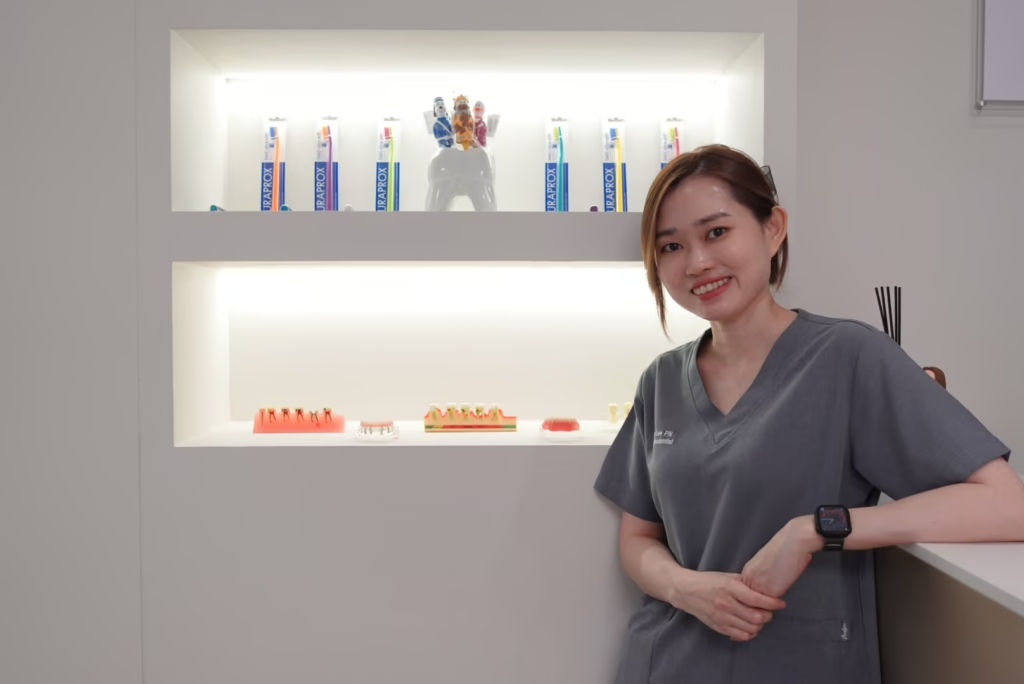
At Maison Dentaire, full mouth cases are personally planned and delivered by specialist prosthodontist Dr Lee Pei Nee, with attention to occlusion, facial harmony and long-term function. This specialist-led approach is particularly valuable when treatment involves multiple teeth, implants or a full-arch restoration rather than a single isolated repair.
A decision worth making carefully
The right full mouth rehabilitation should leave you able to eat comfortably, speak naturally and smile without worrying about what may break next. Start with a thorough consultation and a plan that respects both your clinical needs and the realities of travelling. A careful diagnosis now can prevent years of patchwork dentistry later.