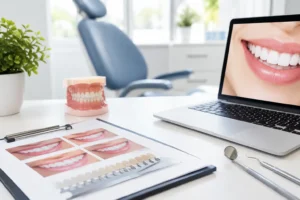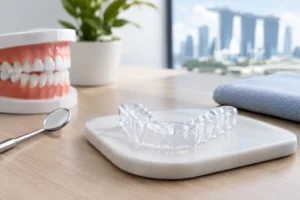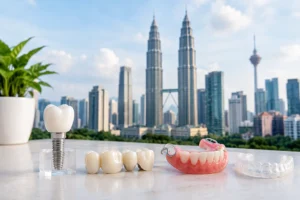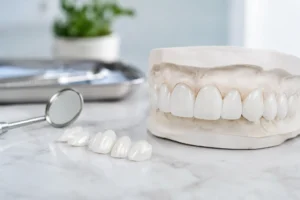
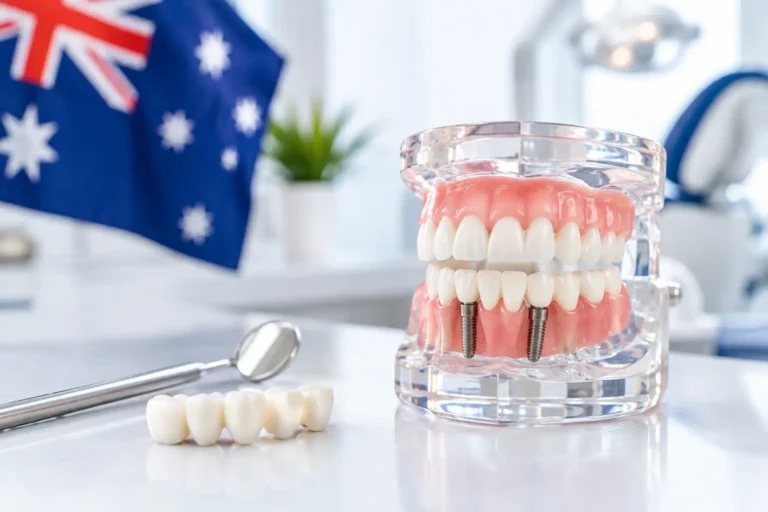
When several teeth are worn, missing, broken or repeatedly repaired, the problem is rarely solved by treating one tooth at a time. Full mouth rehabilitation for Australian patients is a carefully planned reconstruction of the smile, bite and chewing function – often after years of temporary fixes have stopped providing reliable results.
For patients travelling from Australia, the clinical plan must also account for distance. The aim is not simply to complete treatment abroad. It is to establish a stable, natural-looking result with an appropriate timeline for healing, review appointments and long-term maintenance at home.
What Full Mouth Rehabilitation Involves for Australian Patients
Full mouth rehabilitation is not one standard procedure. It may involve a combination of crowns, bridges, veneers, implant-supported restorations, specialist dentures or full-arch implant treatment. The right approach depends on what remains healthy, how the teeth meet, the condition of the gums and bone, and the forces placed on the teeth during chewing or grinding.
Patients commonly seek this level of care because of severe tooth wear from erosion, attrition or bruxism; multiple missing teeth; failing crowns and bridges; a collapsed bite; or difficulty eating and speaking comfortably. In some cases, the teeth can be protected and rebuilt conservatively. In others, teeth with a poor long-term prognosis may need replacing with implant-supported solutions.
A sound plan should not begin with the question, “Which treatment is quickest?” It should begin with a detailed assessment of what can be retained predictably and what will provide the most stable foundation for the future.
Why Bite Planning Matters as Much as Appearance
A brighter, straighter-looking smile can still fail if the bite has not been properly designed. Full mouth rehabilitation changes how the upper and lower teeth come together, which is why it requires careful control of tooth shape, jaw position and chewing forces.
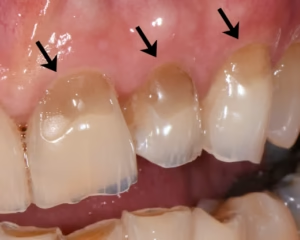
This is particularly relevant for patients with worn teeth. As teeth shorten, the face may appear less supported, the bite can become less efficient and restorations may be exposed to excessive force. Rebuilding the teeth to an appropriate position can improve function and appearance, but only when the new bite is planned around the individual patient rather than copied from a generic smile design.
A specialist prosthodontist considers the appearance of each restoration alongside its role in speech, comfort and load distribution. Natural aesthetics matter, but durability depends on precision beneath the surface.
Planning Treatment Around Travel From Australia
Travelling for complex dentistry can be practical, provided the treatment is organised realistically. Some stages can be completed during an initial visit, while healing, laboratory work or implant integration may require time before the final restorations are fitted. The number of visits depends on the diagnosis and whether treatment involves implants, extensive crown work or removable prostheses.
Before travelling, patients should have clarity on the proposed sequence, expected appointment length, provisional restorations where required, and the likely timing of review visits. A written treatment plan is valuable because it sets out the clinical priorities rather than leaving important decisions to be made once treatment has already started.
For implant cases, it is especially important not to confuse an immediate temporary tooth replacement with the final result. Immediate solutions can restore appearance and confidence quickly in suitable cases, but the definitive teeth are designed after healing and assessment of the implant integration. This staged approach can protect the long-term outcome.
Choosing Between Saving Teeth and Replacing Them
One of the most significant decisions in full mouth rehabilitation is whether compromised teeth should be retained. There is no virtue in removing teeth that can be restored predictably, just as there is little benefit in repeatedly repairing teeth that are unlikely to last.
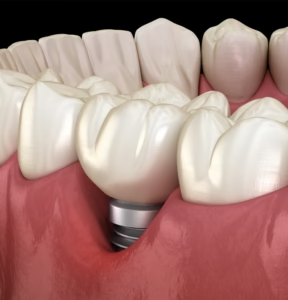
The decision may be influenced by remaining tooth structure, previous root canal treatment, cracks, recurrent decay, bone support and the patient’s bite. Preserving healthy natural teeth is often the least invasive option. However, where teeth are severely damaged or missing, implant-supported crowns, bridges or full-arch solutions may offer greater stability and function.
Premium implant systems, including internationally recognised options such as Straumann and Megagen, can form part of a carefully selected plan. Yet the implant brand is only one element. Accurate placement, restoration design, bite control and maintenance are equally important to the result.
What to Expect From a Specialist-Led Assessment
A proper assessment should be unhurried. It involves examining the teeth, gums, bite and facial proportions, supported by appropriate imaging and records. The clinician should explain what is causing the damage, which teeth are maintainable, what alternatives exist and where compromises may be necessary.
At Maison Dentaire, treatment is personally planned and delivered by a registered specialist prosthodontist, with close attention to function as well as appearance. The purpose is not to recommend the most extensive treatment, but to recommend what is genuinely necessary for a stable, long-term result.
The best full mouth rehabilitation is one that feels unremarkable once it is complete: you can eat without hesitation, speak naturally, smile comfortably and stop thinking about which tooth might fail next.