
A tooth that looks shorter than it did five years ago is not merely a cosmetic concern. It may be a sign that the bite is changing, enamel is being lost, and restorations are being placed under increasing strain. Tooth wear treatment for Singapore patients should begin with a precise diagnosis, not an immediate decision to place crowns or veneers.
For patients who have already had fillings chip, crowns fracture, or dental work repeatedly replaced, the underlying issue is often not the individual tooth. It is the way the teeth meet, move and absorb force over time. A specialist-led plan looks at the whole system before rebuilding any part of it.
Why tooth wear needs careful assessment
Tooth wear can result from attrition, where teeth grind directly against each other; erosion, where acid softens enamel; abrasion from external friction; or a combination of these factors. Bruxism, reflux, frequent acidic drinks, certain dietary habits and an uneven bite can all contribute.
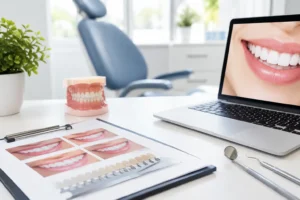
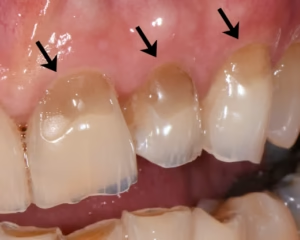
The pattern matters. Flat, shortened front teeth may indicate grinding, while smooth, hollowed surfaces can point towards erosion. Cracks, sensitivity, changes in facial support, and difficulty chewing are further clues. A proper assessment considers photographs, scans or impressions, existing restorations, jaw function and the amount of healthy tooth structure remaining.
This is why treating one worn tooth at a time can become an expensive cycle of repairs. If the forces causing the wear are not understood, a new restoration may be asked to withstand the same damaging conditions as the one before it.
Tooth wear treatment for Singapore patients: the right sequence
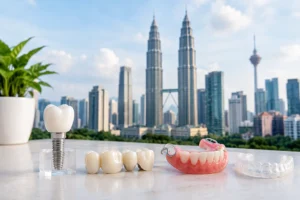
The appropriate treatment depends on the severity of wear, the condition of the teeth and gums, and whether the bite has lost height. Minimal wear may be managed by monitoring, protective measures and small bonded restorations. More advanced cases may require carefully planned onlays, crowns, veneers, bridges or full-mouth rehabilitation.
The objective is not to make every tooth look identical or excessively white. It is to restore enough tooth structure for comfortable chewing and speaking, establish a stable bite, and create a natural smile that suits the face. Where possible, treatment should preserve healthy tooth tissue rather than remove it unnecessarily.
For extensive wear, planning usually starts with the desired bite position and tooth proportions. A trial design may be used to assess appearance, speech and comfort before final restorations are made. This step is particularly valuable when several teeth are involved, because small changes in length or shape can affect how the entire bite functions.
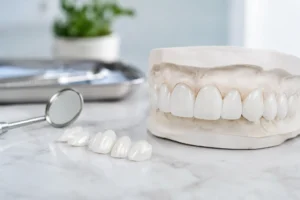
There are trade-offs. Composite bonding can be conservative and repairable, but may require maintenance in high-pressure areas. Ceramic restorations can offer excellent strength and aesthetics, but they need careful preparation, material selection and bite control. The best option is not defined by a single material. It is defined by what will work predictably for that individual mouth.
Planning treatment when travelling from Singapore
For Singapore patients considering treatment in Kuala Lumpur, the number and timing of visits should be discussed at the outset. Complex rehabilitation is rarely a single-appointment procedure if it is to be planned responsibly. Records, diagnostic design, preparation, trial stages and final fitting may need to be organised across separate visits, with clear instructions for the period between them.
A written treatment plan should explain which teeth require treatment, why each procedure is recommended, the expected sequence and the likely maintenance needs. It should also distinguish between essential care and optional aesthetic improvements. This clarity allows patients to compare recommendations properly rather than making decisions based only on the number of crowns proposed.
At Maison Dentaire, treatment planning is personally led by Dr. Lee Pei Nee, a registered specialist prosthodontist. The focus is on restoring function and appearance together, with close attention to occlusion so that new restorations are not placed into an unstable bite.
What happens after the teeth are restored
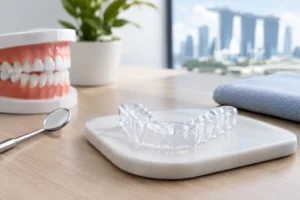
Restorative treatment does not make teeth indestructible. Patients who grind may still need a protective night guard, while those with erosion may need advice on reducing acid exposure and managing relevant medical factors with their doctor. Regular reviews help identify small chips, changes in bite contact or wear to protective appliances before they become larger problems.
The aim is not simply to replace what has been lost. It is to give your teeth a more stable future, so eating, speaking and smiling feel dependable again.