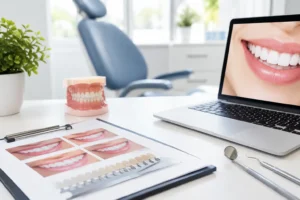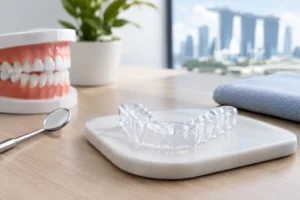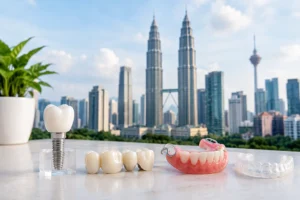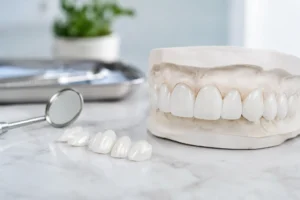
A full arch transformation case is not defined by how dramatic the before-and-after photographs appear. It is defined by whether the replacement teeth suit the face, allow comfortable speech and eating, protect the supporting bone and joints, and remain maintainable for years to come. For patients who have endured repeated repairs, loose dentures, failing bridges or increasingly worn teeth, this distinction matters.
Replacing an entire upper or lower arch can be life-changing, but it is also a significant prosthodontic treatment. A fixed implant bridge may look simple once it is in place. Reaching that result safely requires careful diagnosis, precise planning and a clear understanding of the patient behind the teeth.
What a full arch transformation case really involves
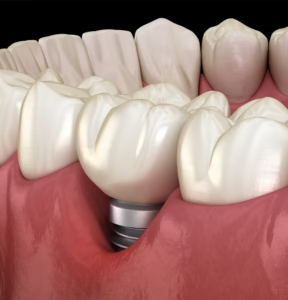
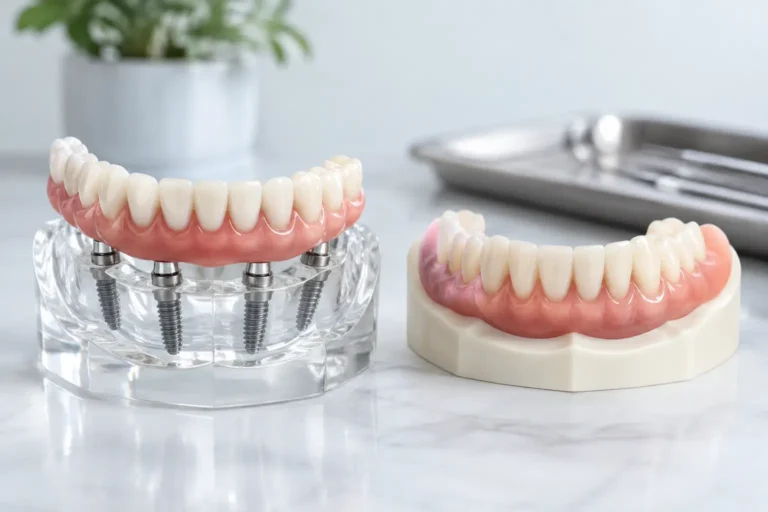
A full arch transformation may involve replacing all teeth in one jaw, rebuilding heavily worn teeth across both jaws, or converting an unstable denture into an implant-supported restoration. The final solution may be an All-on-Four, All-on-Six or another All-on-X arrangement, depending on the available bone, bite forces, anatomy and restorative goals.
The number of implants is not a badge of quality on its own. More implants are not automatically better, and fewer implants are not automatically inadequate. The appropriate design depends on where sound bone is available, the length and shape of the planned bridge, whether the patient clenches or grinds, and how the forces will be distributed during chewing.
Equally, full arch treatment is not always an implant treatment. In some situations, carefully designed removable dentures are the more sensible choice, particularly where medical history, bone condition, hygiene ability or personal priorities make fixed treatment unsuitable. Good planning starts with the right question: what will offer this patient a dependable, healthy result with the least unnecessary intervention?
The diagnostic work behind a successful full arch transformation case
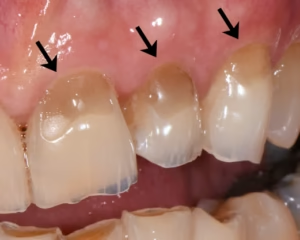
The visible teeth are only one part of the assessment. Before treatment is recommended, a specialist prosthodontist needs to understand why the existing dentition failed. Was it decay around old crowns? Advanced tooth wear from erosion or bruxism? Fractured teeth caused by an uneven bite? Long-standing gum and bone loss? A poorly fitting denture that has gradually reduced confidence and food choices?
This investigation shapes every decision that follows. Clinical examination is combined with photographs, scans, digital records and a detailed assessment of the bite. The aim is to establish the jaw relationship, facial support, smile line, available restorative space and the health of the remaining teeth and tissues.
For patients with severely worn teeth, restoring the vertical dimension of the bite can be particularly important. When teeth have shortened over many years, the issue is not simply to make them look longer. The new tooth position must be tested and planned so that the muscles, jaw joints, speech and chewing pattern can adapt comfortably. Rushing this stage can create a smile that looks improved but feels unnatural or is vulnerable to chipping and strain.
Planning the face as well as the teeth
A full arch bridge should not be designed as a row of generic white teeth. Tooth proportions, lip support, display at rest, phonetics and facial character all influence the result. Some patients need more support for the lips after losing teeth and bone. Others need a more restrained design that respects their age, features and preferred appearance.
Natural-looking dentistry is often less about creating the brightest possible smile and more about getting the details right. The incisal edges must support clear speech. The tooth shapes should suit the face. The gum-coloured sections of a bridge, where needed, should be planned with the smile line in mind. These are prosthodontic considerations, not cosmetic finishing touches.
The treatment journey is staged for a reason
There is understandable interest in immediate teeth. In selected cases, implants can be placed and a fixed provisional bridge provided on the same day or shortly afterwards. This can be an excellent option when the implants achieve sufficient initial stability and the surgical and bite conditions are favourable.
It is not, however, a promise that should be made before proper assessment. Infection, bone volume, the need for extractions, medical factors and the complexity of the bite can all alter the safest sequence. Sometimes healing first produces the stronger long-term outcome. A temporary restoration may also be deliberately designed to test tooth position, appearance and speech before the final bridge is made.
The provisional phase is therefore valuable clinical work, not a pause before the “real” treatment. It allows the planned bite to be refined under function. It gives patients time to comment on tooth length, lip support and speech. It also enables the clinician to observe how the new arrangement performs before committing to the definitive restoration.
Why the final bridge cannot be treated as an afterthought
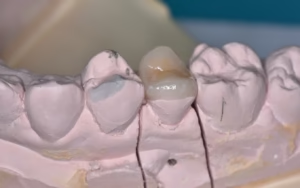
Once implants have integrated, the final bridge is made to precise records of the healed tissues, implant positions and approved bite. Material selection is tailored to the case. Strength matters, particularly for patients who grind their teeth, but so do repairability, aesthetics and the way the material meets opposing teeth.
The bridge must also be designed for cleaning. A beautiful restoration that cannot be cleaned properly is not a long-term success. Patients need access beneath the bridge where appropriate, a realistic home-care routine and regular professional reviews. Implant-supported teeth do not decay, but the tissues around implants still require vigilant maintenance.
Common compromises that cause problems later
Many patients seeking full arch rehabilitation have already experienced short-term solutions that were repeatedly patched. This often happens when treatment is planned around the most obvious broken tooth rather than the whole bite.
One common compromise is placing a new bridge without resolving the underlying bite forces. Another is selecting tooth shapes or lengths without testing speech and lip support. A third is using a standardised implant pattern without sufficient attention to bone anatomy, hygiene access or the planned final teeth. Each may appear acceptable at first, yet create difficulty later through fracture, discomfort, poor appearance or maintenance challenges.
There are also circumstances where a patient may prefer the quickest route, while the clinician recommends a staged approach. That conversation should be direct. Treatment timing is important, especially for people travelling from Singapore, Australia, Hong Kong or other parts of Malaysia, but convenience should not override a sound biological and restorative plan.
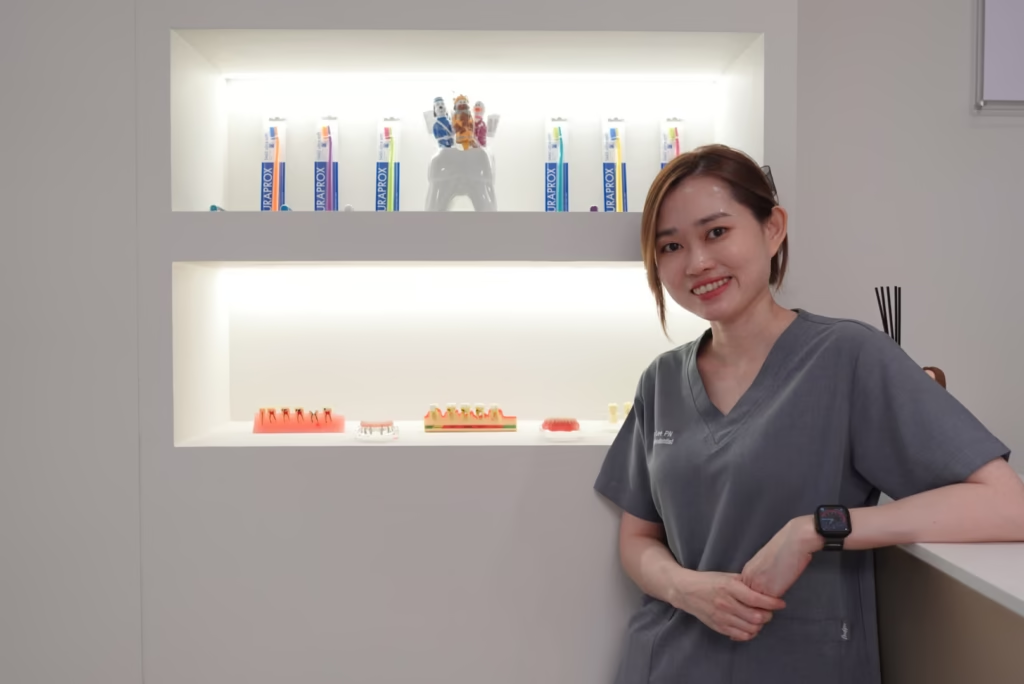
At Maison Dentaire, full arch care is personally planned and delivered by a specialist prosthodontist, with the bite, aesthetics and maintenance requirements considered together. Written treatment planning helps patients understand what is proposed, why it is appropriate and which choices remain available.
Preparing for treatment when travelling to Kuala Lumpur
For international and outstation patients, the number and timing of visits must be planned before treatment begins. Records can often be reviewed in advance, allowing an initial discussion to focus on whether travel is worthwhile and what information is still required. Once an in-person assessment confirms the diagnosis, appointments can be organised around surgical treatment, provisionalisation, review periods and final restoration.
Travelling should never force a case into an unsafe timetable. Healing responses differ, and complex full-mouth cases sometimes require adjustment as treatment progresses. Patients should allow flexibility rather than booking non-refundable travel around assumptions. A clinic located in central Kuala Lumpur, a short walk from Raja Chulan Monorail Station, can make local movement easier during appointments, but clinical timing remains the priority.
It is also sensible to discuss practical matters early: how follow-up will be managed after returning home, what to do if a temporary bridge feels different after a few days, and how long to remain nearby after a surgical stage. Clear communication is particularly important when care continues across borders.
How to judge whether a recommendation is right for you
A considered recommendation should explain more than the proposed number of implants. Patients should understand the condition of their remaining teeth, the alternatives that have been considered, the expected treatment stages, limitations and maintenance needs. They should also know who will be responsible for planning and delivering the restorative work.
Ask how your bite will be assessed, whether a provisional phase is advisable, and how the final design will be checked for appearance and speech. If you grind your teeth, ask how this changes the material choice and protective plan. If you are anxious about dentures or concerned about fixed teeth being difficult to clean, raise that concern before committing. There is rarely one universal answer, but there should be a clear clinical rationale.
The most worthwhile full arch transformation is not the one that merely replaces missing or failing teeth quickly. It is the one that gives you a stable, believable smile and a bite you can trust at meals, in conversation and in the years that follow.