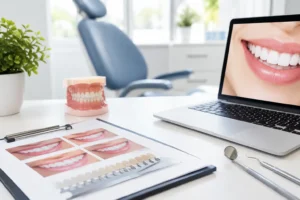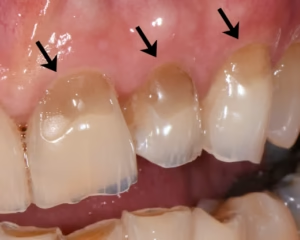
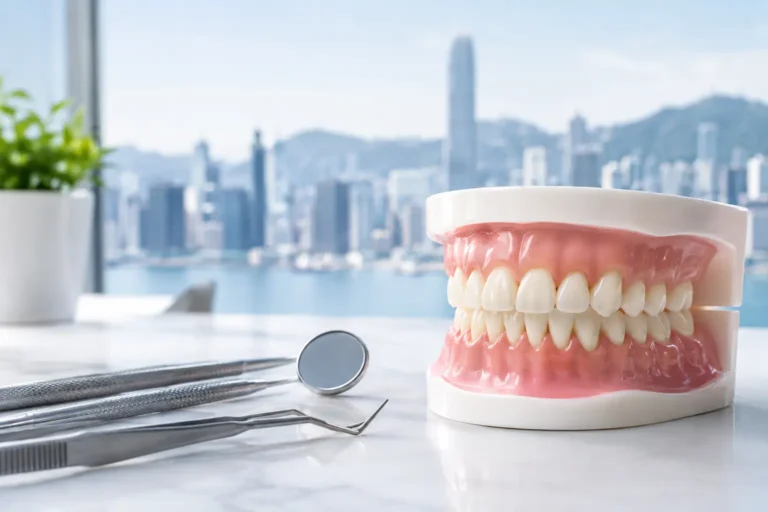
Teeth that appear shorter, flatter or increasingly translucent are not simply an aesthetic concern. For many people, they are signs that the bite is changing. Tooth wear treatment for Hong Kong patients should therefore begin with a careful assessment of why the teeth are wearing, how much tooth structure remains, and whether the bite can be restored predictably for the long term.
For patients travelling from Hong Kong to Kuala Lumpur, the central question is rarely whether worn teeth can be made to look better. It is whether treatment can restore comfortable chewing, clear speech and a natural-looking smile without creating a cycle of repeated repairs.
Why tooth wear needs a specialist plan
Tooth wear can result from attrition, where teeth rub together through clenching or grinding; erosion from acidic food, drinks or reflux; and abrasion from external friction. Often, there is more than one cause. A person may have mild erosion, for example, but years of grinding can accelerate the loss of already softened enamel.
As teeth wear down, the jaw may adapt gradually. This means some people retain a reasonable bite despite significant wear, while others develop sensitivity, fractured fillings, chipped edges, muscle fatigue or difficulty chewing. The visible damage alone does not tell the whole story.
A prosthodontic assessment considers the teeth, gums, jaw joints, facial proportions and bite relationship together. This matters because simply placing veneers or crowns on the most worn front teeth may improve appearance temporarily, yet fail to address the forces that caused the damage. The result can be chipping, loosening or an uncomfortable bite.
Tooth wear treatment for Hong Kong patients: what may be involved
The right treatment depends on the amount and pattern of wear, as well as the condition of the existing teeth. Minimal intervention remains the priority where possible. If wear is early and the bite is stable, small bonded restorations may rebuild lost edges and protect exposed surfaces with little or no further preparation of the tooth.
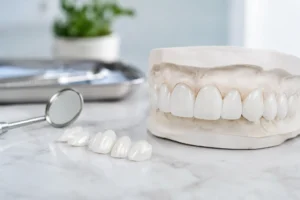
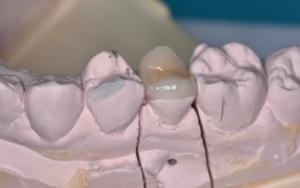
Where wear is more advanced, a staged full-mouth rehabilitation may be appropriate. This can involve carefully planned veneers, crowns, inlays or onlays to rebuild the teeth at an appropriate bite height. Restoring bite height is not a cosmetic shortcut. It is a precise functional decision, tested before definitive restorations are placed, so that speech, chewing and jaw comfort can be assessed.
Teeth with extensive cracks, old restorations or severe loss of structure may need crowns for protection. Conversely, a tooth with sufficient healthy enamel may be better treated with a more conservative restoration. A good plan does not apply one solution to every tooth. It selects the least invasive option that can provide reliable strength and appearance.
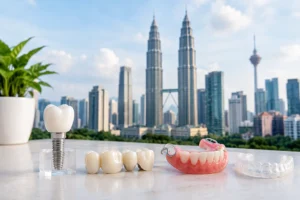
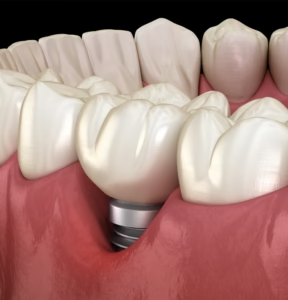
For patients with multiple failing teeth or extensive tooth loss alongside wear, treatment may include fixed implant-supported teeth or specialist dentures as part of a broader rehabilitation. These cases require particularly detailed planning because the new teeth must work in harmony with the jaw, remaining teeth and facial support.
Planning around travel from Hong Kong
International treatment is most successful when it is organised around clinical stages rather than a rushed itinerary. A thorough pre-visit review of photographs, radiographs and dental history can help determine whether a case is suitable for travel and how many visits may be required. It also allows the clinician to identify issues that could affect timing, such as active decay, unstable teeth or complex bite symptoms.
On the first clinical visit, records may include photographs, digital scans, bite analysis and, where needed, further imaging. Diagnostic planning is then used to visualise the proposed tooth shapes and bite position. In more complex cases, temporary restorations provide an essential trial period. They allow adjustments before the final work is made, reducing the risk of committing to a bite that looks acceptable but does not feel right in daily life.
Patients should be cautious of promises that every worn dentition can be completed in a single short visit. Some cases can be managed efficiently; others need more time for testing, healing or laboratory work. The number of appointments should follow the biology and complexity of the case, not a fixed package.
Protecting the result after treatment
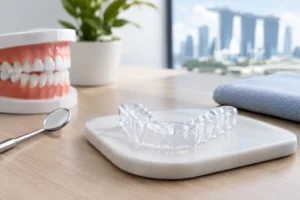
Restoring worn teeth is only one part of care. The underlying risk must also be managed. If grinding is present, a protective night guard may be recommended after treatment. If erosion is contributing, changes to acidic exposure, reflux management through the appropriate medical professional, and timing of brushing can all help protect the new restorations and remaining natural teeth.
Regular reviews are equally valuable. Restorations are designed for longevity, not permanence without maintenance. Monitoring the bite and addressing small changes early is usually more conservative than waiting for a crack or fracture.
At Maison Dentaire, treatment is personally planned and delivered by a specialist prosthodontist, with attention to both the appearance of each tooth and the way the whole bite functions. For Hong Kong patients considering treatment abroad, the most useful next step is a detailed assessment that establishes what can be preserved, what genuinely needs rebuilding, and the appropriate pace for a result that feels as good as it looks.