
A chipped front tooth, flattened biting edges or repeated failure of fillings can be more than a cosmetic concern. Bruxism Treatment in Malaysia for Australians should address the forces causing this damage, as well as the teeth that have already been affected. For patients travelling from Australia, the priority is a clear, specialist-led plan that protects the remaining tooth structure and makes each visit worthwhile.
When teeth grinding needs more than a night guard
Bruxism is the habitual clenching or grinding of teeth, often during sleep but sometimes during periods of concentration or stress. Not everyone who grinds will need extensive treatment. However, when teeth are becoming shorter, sensitive, cracked or difficult to bite with, it is time to assess the whole bite rather than repair individual teeth repeatedly.
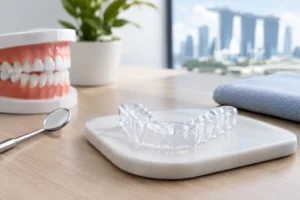
A night guard can be an important part of care, particularly where the aim is to reduce further wear and protect restorations. It does not, however, rebuild lost tooth structure or correct a bite that has become unstable through years of wear. A guard should be designed around a proper assessment of the teeth, gums, jaw function and existing dental work.
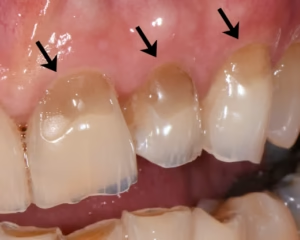
Signs that warrant a detailed review include frequent chipped teeth, crowns that loosen or fracture, morning jaw fatigue, sensitivity at worn edges, and a noticeable change in the way the teeth meet. Some patients also find that their smile appears older or shorter because the front teeth have gradually worn down.
Bruxism treatment in Malaysia for Australians: the planning process
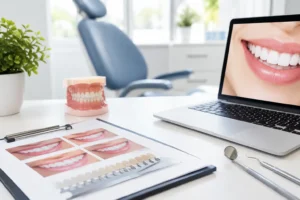
Successful treatment starts with diagnosis, not a standard recommendation. A specialist prosthodontist assesses how the teeth contact, where the forces are concentrated, how much healthy structure remains and whether existing restorations are contributing to the problem. Digital scans, photographs and X-rays, where clinically indicated, help create a detailed record before decisions are made.
The aim is not simply to make teeth look longer. Treatment must restore a stable bite that allows comfortable chewing and speaking, while creating a natural appearance that suits the face and smile. This is particularly relevant for patients who have had repeated patch repairs over many years. Replacing one broken restoration without considering the bite can lead to the same cycle elsewhere.
At Maison Dentaire, treatment is personally planned and delivered by Dr. Lee Pei Nee, a registered specialist prosthodontist. This direct involvement matters in complex wear cases, where the position, shape and material of each restoration affect the longevity of the final result.
Conservative protection where possible
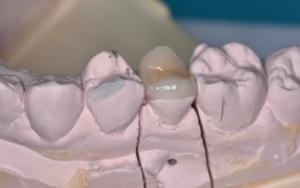
Where tooth wear is limited, the most appropriate approach may involve an accurately fitted occlusal splint and small, carefully planned repairs. Bonded restorations, inlays or onlays can sometimes protect vulnerable areas while preserving as much natural tooth structure as possible.
The right option depends on the depth and pattern of wear. A tooth with a small worn edge requires a different solution from a tooth that is cracked, heavily restored or has lost substantial chewing surface. A responsible plan should explain why each tooth is being treated and why other teeth may be monitored instead.
Rebuilding a worn bite
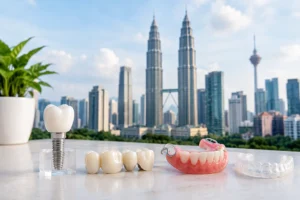
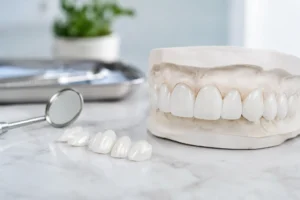
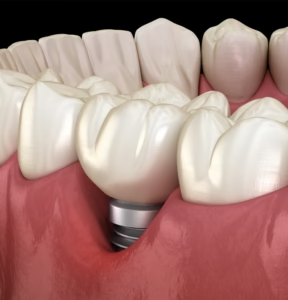
More advanced bruxism may require crowns, veneers, bridges or full-mouth rehabilitation to restore lost height and function. In these cases, the bite is often tested carefully before the final restorations are made. This allows adjustments to be made based on comfort, speech and function rather than committing immediately to a final shape.
High-quality materials are only part of the answer. Even the most carefully made restoration can fail if it is placed into an unplanned bite. Precision in bite design, material selection and laboratory communication is central to long-term stability.
Planning treatment around travel from Australia
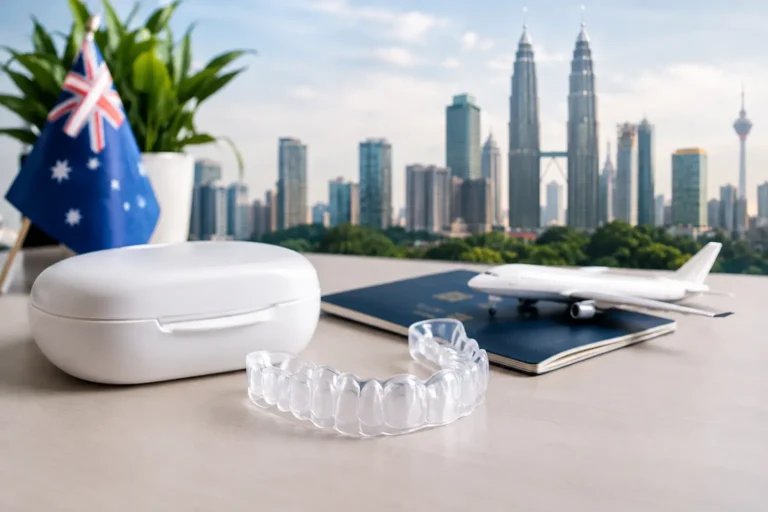
Travelling to Kuala Lumpur can be practical for Australians seeking specialist restorative care, but complex bruxism treatment should never be rushed into an unrealistic itinerary. The number of appointments depends on the extent of wear, the condition of existing restorations and whether provisional work is needed to establish a comfortable bite.
Before travelling, it can be helpful to provide recent dental records, X-rays and photographs where available. This gives the clinical team a useful starting point, although the final diagnosis must be based on an in-person examination. A written treatment plan should set out the sequence of care, expected appointments, likely time between stages and how follow-up will be managed.
For some patients, treatment can be completed efficiently within planned visits. For others, a staged approach is safer. Allowing time to assess how the bite feels in daily use may produce a more predictable result than attempting to complete extensive rehabilitation in one compressed trip.
What to ask before committing to treatment
Ask who will personally plan and carry out your treatment, how your bite will be assessed and whether temporary restorations or a trial phase are appropriate. You should also understand what protective measures will be used after treatment, as ongoing bruxism management remains essential even after teeth have been restored.
The best outcome is not simply a brighter or more even smile. It is a bite that feels natural, teeth that are protected from further damage and a plan designed to last. For Australians considering care overseas, choosing careful diagnosis and realistic treatment timing is the most reliable starting point.