
A crown is not simply a cover placed over a tooth. It becomes part of how you bite, chew, speak and smile every day. Zirconia crowns are widely chosen because they can provide exceptional strength alongside a natural appearance, but the material alone does not determine whether the result will feel comfortable or last well. The design of the crown, the health of the supporting tooth or implant, and the way your teeth meet are equally important.
For patients with a heavily filled, cracked, worn or root-treated tooth, a carefully planned crown can protect what remains while restoring function. For an implant, it can replace a missing tooth with a fixed restoration designed to complement the surrounding teeth. In either situation, the objective should be more than a white, attractive tooth. It should be a restoration that suits your bite and preserves your long-term oral health.
What are zirconia crowns?
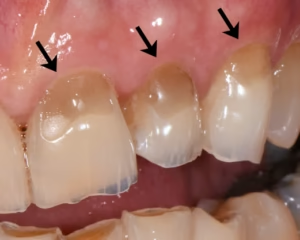
Zirconia is a high-strength ceramic material used in modern restorative dentistry. It is metal-free and can be shaped using digital technology to create a precise crown. Unlike older porcelain-fused-to-metal crowns, zirconia does not have a dark metal substructure that may show at the gum line over time.
Its principal advantage is strength. Zirconia is particularly useful in areas exposed to substantial chewing forces, including back teeth and teeth affected by grinding or clenching. Advances in material science have also made certain forms of zirconia more translucent, allowing them to achieve a more lifelike appearance than earlier generations of the material.
That said, “zirconia” is not one single product or design. There are different grades and types, each with a balance between strength and translucency. A very strong monolithic zirconia crown may be ideal for a molar, while a more aesthetic zirconia option may be selected for a front tooth. The right decision depends on the individual tooth, the position in the mouth, the shade of adjacent teeth and the demands of the bite.
When a zirconia crown may be suitable
A crown may be recommended when a tooth no longer has enough healthy structure to be reliably restored with a filling or onlay. This can happen after extensive decay, a large old filling, fracture, severe wear or root canal treatment. A crown may also form part of a bridge, or be attached to an implant to replace a missing tooth.
Zirconia is often considered where durability is a priority. Patients who clench or grind their teeth may benefit from a material that can withstand higher loading, provided the bite is assessed and managed properly. It can also be a good option for patients who prefer a metal-free restoration.
However, a zirconia crown is not automatically the best choice in every case. If maximum translucency is required on a highly visible front tooth, another ceramic may sometimes provide a more natural optical result. If a tooth can be restored conservatively with an inlay, onlay or bonded restoration, placing a full crown may remove more tooth structure than necessary. A responsible treatment plan starts with the least invasive option that can provide a predictable result.
Strength is valuable, but bite design matters more
A crown can fail even when it is made from an excellent material. It may chip, loosen, fracture, feel high when biting, or contribute to problems in the opposing tooth if it has not been designed correctly. For this reason, crown treatment should include more than selecting a shade and taking a scan or impression.
The dentist needs to assess how the teeth come together in normal biting and during side-to-side movements. Small discrepancies can matter, particularly where there is existing tooth wear, jaw muscle tension or a history of broken restorations. The aim is to distribute forces appropriately rather than concentrating them on one new crown.
This is especially relevant for patients who have several missing or heavily restored teeth. In these situations, each restoration affects the wider bite. Replacing teeth one at a time without considering the overall occlusion can lead to repeated repairs. A prosthodontic assessment considers the relationship between the teeth, gums, jaw joints and facial appearance before treatment is finalised.
Monolithic or layered zirconia?
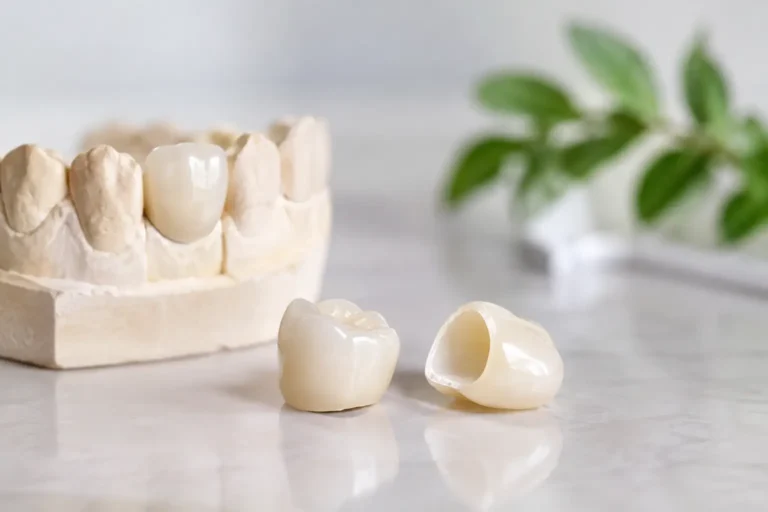
Monolithic zirconia crowns are milled from a single block of zirconia. They are highly durable and commonly used for posterior teeth, where chewing forces are greater. Their appearance has improved considerably, although they may not always reproduce the depth and translucency of natural enamel as closely as more aesthetic ceramics.
Layered zirconia crowns have a strong zirconia framework with a more aesthetic ceramic layer added over it. This can create more natural colour variation and surface character, which may be useful in the smile zone. The trade-off is that the outer ceramic layer can be more susceptible to chipping than monolithic zirconia in patients with a heavy bite.
Neither approach is universally superior. The most suitable design follows a careful discussion of appearance, available space, tooth position and functional risk.
The preparation and fitting process
Before a crown is planned, the supporting tooth must be evaluated thoroughly. The tooth and surrounding gums should be stable, and any decay, cracks or infection must be addressed first. X-rays and clinical examination help determine whether the tooth has a sound enough foundation for a crown and whether additional protection, such as a core build-up, is required.
The tooth is then prepared conservatively to create adequate space for the chosen material. This step is precise: too little reduction can produce a bulky crown that affects the bite or gum health, while unnecessary reduction sacrifices valuable tooth tissue. A temporary crown may be placed while the final restoration is being made.
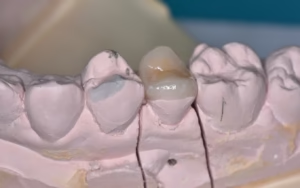
Digital scanning and detailed records allow the final crown to be designed around the existing teeth and bite. At the fitting appointment, the crown is checked for colour, shape, contact points and bite before it is permanently bonded or cemented. A crown should not feel noticeably high or uncomfortable once the local anaesthetic has worn off. If it does, prompt review is advisable.
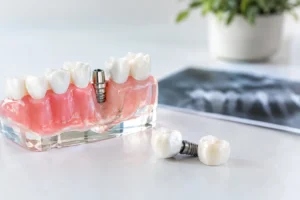
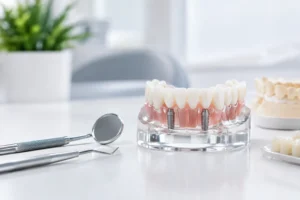
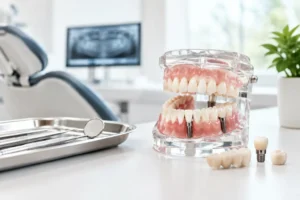
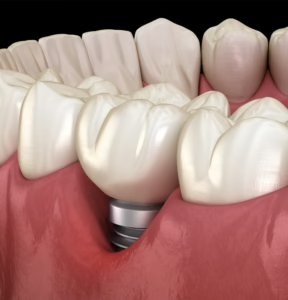
For implant crowns, planning begins earlier. The final crown position should guide the placement of the implant wherever possible. This restorative-led approach helps create a tooth that is not only stable, but also easier to clean and proportioned naturally within the smile.
How long do zirconia crowns last?
With good planning and regular care, zirconia crowns can serve well for many years. No dental restoration should be described as permanent, because the mouth changes over time and teeth remain exposed to considerable daily forces. The lifespan depends on the quality of the remaining tooth structure, gum health, oral hygiene, diet, bite forces and habits such as clenching.
A crown cannot decay, but the natural tooth at its edge can. Daily brushing with fluoride toothpaste and cleaning between the teeth remain essential. Regular reviews allow the crown margins, gum condition and bite to be monitored before small concerns become larger problems.
Patients who grind or clench may be advised to wear a professionally made night guard. This protects not only the new crown but also the natural teeth, other restorations and jaw muscles. It is a small part of care that can make a meaningful difference to long-term success.
Choosing a crown that suits the whole mouth
The most successful crown is one that looks appropriate, feels comfortable and protects the tooth without disrupting the rest of the bite. This requires an individual decision, not a standard material recommendation. Shade, shape, gum contour, tooth preparation and occlusion all need to work together.
At Maison Dentaire, crown treatment is personally planned with attention to function as well as aesthetics. For patients with multiple failing teeth, worn dentition or implant-based rehabilitation, this broader view is particularly important. A crown may be a single restoration, but it should still contribute positively to the stability of the whole mouth.
If you are considering a crown, ask not only which material will be used, but why it is appropriate for your tooth, your smile and your bite. That conversation is often the clearest sign that treatment is being planned for lasting function rather than a quick cosmetic change.