
A denture that lifts when you speak, shifts while eating, or rubs a sore spot can make even simple meals feel stressful. If you are trying to stop dentures from moving, the answer is rarely to use more adhesive. Movement is usually a sign that the denture, the supporting tissues, or your bite needs proper assessment.
A well-made denture should feel secure and allow you to speak, smile and eat with confidence. It may not feel identical to natural teeth, particularly when it is removable, but it should not repeatedly rock, dislodge or cause pain. The right solution depends on whether you wear a full or partial denture, how much support remains in the jaw, and how your mouth has changed since the denture was made.
Why dentures start to move
Dentures sit on gum and bone that naturally change over time. After teeth are lost, the jawbone gradually remodels because it no longer receives stimulation from tooth roots. This can reduce the ridge that once supported the denture, particularly in the lower jaw. A denture that fitted well a few years ago may therefore become loose even if it has not been damaged.
The lower denture is often more challenging to stabilise. The tongue, cheeks and floor of the mouth are constantly moving, and there is usually less surface area for the denture to rest on. Upper dentures can gain some natural retention from the palate, but they can also loosen when the fit changes or when the denture border does not seal correctly.
Other causes include a worn denture base, teeth that have flattened with use, a change in bite, dry mouth, weight changes, or an uneven partial denture that places too much pressure on certain teeth. A denture can also move because the jaw is closing in a position that tips it out of place. This is why a stability problem should not be treated as a simple glue problem.
How to stop dentures from moving: start with the fit
The most reliable first step is a professional denture assessment. Your prosthodontist will examine how the denture sits at rest and during speech, chewing and swallowing. They will check for pressure areas, assess the bite, and look at the health and shape of the gum and supporting bone.
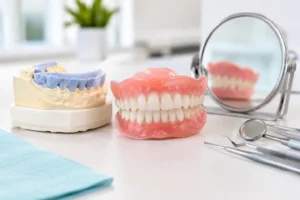
In some cases, a denture reline is appropriate. A reline reshapes the fitting surface of an existing denture so it conforms more closely to the current shape of your gums. This can improve comfort and retention when the denture itself remains structurally sound and the bite is still correct.
However, relining is not always the right answer. If the teeth are very worn, the denture is cracked, the bite is inaccurate, or the base has become distorted, a new denture may provide a more predictable result. A well-planned new denture is designed around facial support, lip position, speech, bite and chewing function, not merely the outline of the gums.
Avoid attempting a home reline kit. These materials can create pressure points, alter the bite and make later professional adjustment more difficult. A denture should rest evenly on the tissues, not be forced into place with a thick layer of material.
Check the bite, not just the suction
Many people describe a denture as loose when the underlying issue is an unstable bite. If one side contacts first, chewing forces can rock the denture across the gums. The result may be movement, clicking, sore areas or a feeling that the denture is trying to lift at the back.
Small bite adjustments can sometimes make a meaningful difference, especially after a period of wear. This requires careful assessment because removing material in the wrong area can worsen the instability. Specialist planning is particularly valuable for patients with longstanding tooth wear, multiple missing teeth or a history of repeated denture remakes.
Can denture adhesive help?
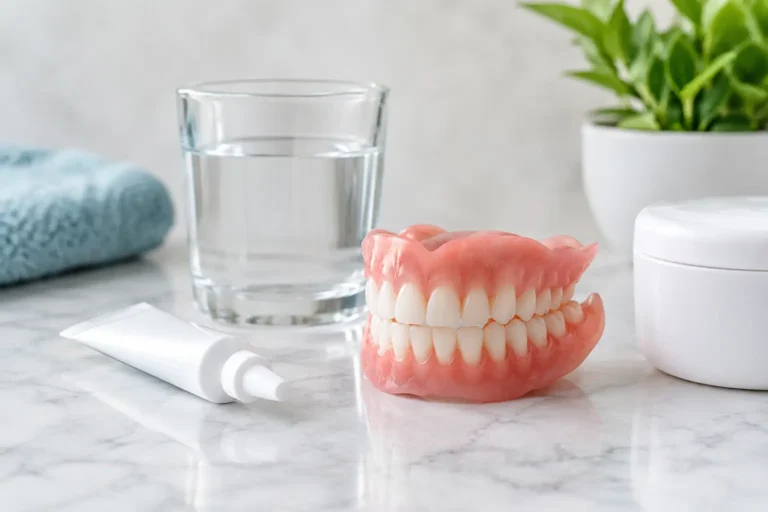
Denture adhesive can be useful as a temporary aid for an otherwise well-fitting denture. It may improve confidence during a social occasion, help reduce minor food entry beneath the denture, or provide added hold while you arrange an appointment. Used sparingly and according to the manufacturer’s instructions, it is not inherently a problem.
It should not be used to compensate for a denture that suddenly becomes very loose, painful or difficult to remove. Applying increasing amounts of adhesive each day can mask a problem that needs treatment. Excess adhesive can also make cleaning harder and irritate the soft tissues if residue is left behind.
If you use adhesive, remove it thoroughly from both the denture and your gums every evening. Take your denture out overnight unless you have been given specific clinical instructions otherwise. This allows the tissues to rest and makes it easier to notice sore spots or changes in fit.
Everyday habits that improve denture stability
Good technique cannot replace a precise fit, but it can make a removable denture easier to manage. When eating, take smaller bites and chew slowly on both sides at the same time where possible. Biting into hard foods with the front teeth can tip a full denture, so cut foods such as apples, crusty bread or tougher meats into manageable pieces.
Practise speaking aloud if certain words make the denture lift. Reading for a few minutes each day helps your lips, cheeks and tongue adapt to the denture shape. If your mouth feels dry, ask for advice rather than relying on frequent adhesive use. Saliva contributes to comfort and retention, and dry mouth can make dentures feel less secure.
Keep the denture clean with a soft denture brush and a suitable cleanser. Ordinary toothpaste can be too abrasive for acrylic surfaces and may create tiny scratches where plaque and staining collect. Clean your gums, tongue and any remaining natural teeth as well. Healthy tissues provide a more comfortable foundation for the denture.
When implant support may be the better long-term solution
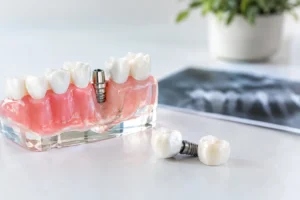
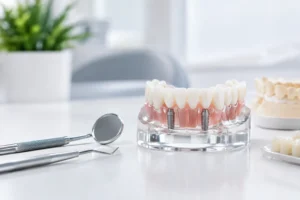
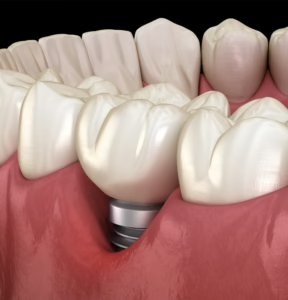
For patients whose lower dentures repeatedly move despite good denture design and careful adjustment, implant support can be transformative. Implants act as stable anchors in the jaw, allowing a removable denture to attach more securely or supporting a fixed full-arch restoration.
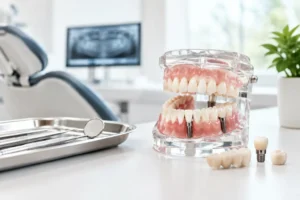
An implant-retained denture can still be removed for cleaning, but it clips or attaches to implants for greater stability. It can reduce movement significantly and often makes chewing and speaking easier. The number and position of implants, the amount of available bone and the desired type of restoration all influence the treatment plan.
For suitable patients seeking teeth that are not removed daily, a fixed full-arch solution such as All-on-Four, All-on-Six or an individually planned All-on-X approach may be considered. These restorations are secured to implants and designed to restore function, facial support and appearance. They require detailed planning because implant placement, bite design, bone anatomy and long-term hygiene access must all work together.
Implants are not automatically the best option for every person. Medical history, bone volume, oral hygiene, expectations and the ability to attend maintenance appointments matter. A carefully made conventional denture can be an excellent solution in the right circumstances. The key is choosing the treatment that matches your needs rather than accepting persistent instability as unavoidable.
Signs you should arrange a denture review
Book an assessment if your denture has become loose after previously fitting well, if you need more adhesive than before, or if it causes recurring ulcers. Difficulty chewing, changes in speech, cracking, clicking, bad odour that persists after cleaning, or a visible change in facial support also deserve attention.
Do not wait for severe pain. Early review may allow a simple adjustment or reline before the problem develops into damaged tissues, a fractured denture or an increasingly compromised bite. For partial dentures, it is equally important to check the remaining teeth, as changes in their position or health can affect how the denture fits.
At Maison Dentaire, denture and implant planning is personally guided by specialist prosthodontist Dr. Lee Pei Nee, with attention to fit, bite and the long-term function of the restoration. Whether the right answer is an adjustment, a new denture or implant support, the aim is the same: a solution that feels stable because it has been planned precisely for your mouth.
You do not need to tolerate a denture that moves every time you eat or speak. A careful assessment can identify the reason for the movement and give you a clear, realistic path towards greater comfort and confidence.