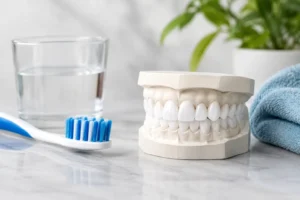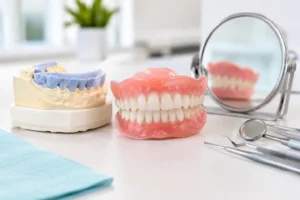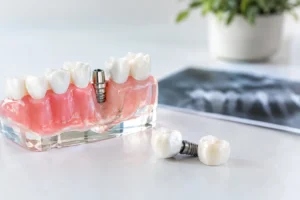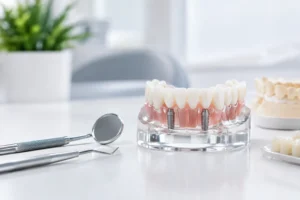

A small chip at the edge of a front tooth may call for a very different solution from a tooth that hurts when you bite. Yet both concerns are often discussed under the same question: veneers versus dental crowns. The right choice is not simply about which restoration looks better. It depends on how much healthy tooth structure remains, whether the tooth is stable, how you bite, and what will serve you reliably over time.
A veneer and a crown can both transform the appearance of a tooth. Their purpose, preparation and ability to protect a damaged tooth are quite different. A careful assessment should always come before a cosmetic decision.
Veneers versus dental crowns: the essential difference
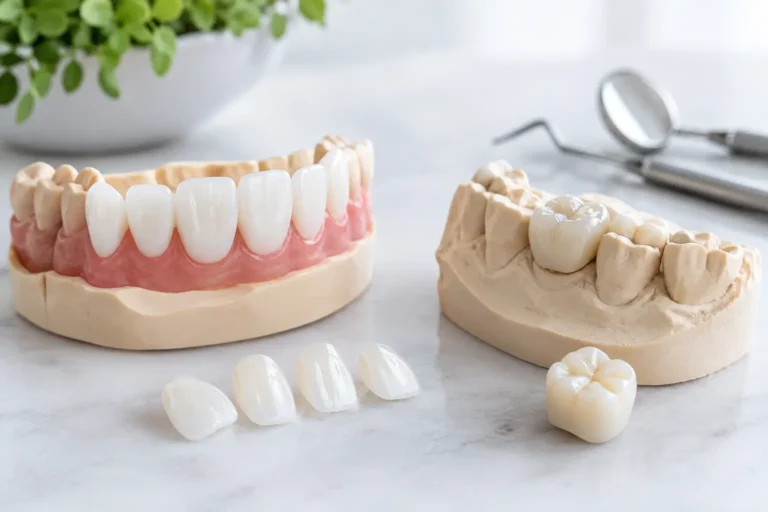
A veneer is a thin, custom-made ceramic facing bonded to the visible front surface of a tooth. It is primarily used to improve colour, shape, proportion, minor alignment concerns or small areas of wear and chipping. When appropriately planned, a veneer preserves more natural tooth structure than a crown.
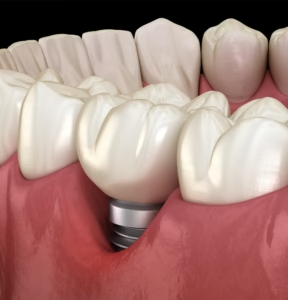
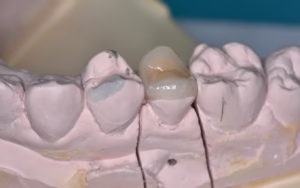
A dental crown, sometimes called a cap, covers the whole visible portion of a tooth above the gumline. It is designed to restore a tooth that has been substantially weakened by a large filling, fracture, decay, root canal treatment or severe wear. A crown can improve appearance, but its principal role is protection and structural support.
This distinction matters. Placing a veneer on a tooth that is too compromised can leave the underlying tooth vulnerable. Conversely, placing a crown on a strong tooth when a conservative veneer would suffice may require unnecessary removal of healthy enamel. Good treatment planning seeks the least invasive option that remains predictably durable.
When a veneer may be the better option
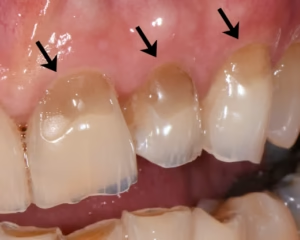
Veneers are usually considered when the tooth is fundamentally healthy and the concern is mainly visible in the smile zone. They can be an excellent option for teeth that are deeply discoloured, slightly misshapen, unevenly sized, mildly chipped or affected by small gaps.
Because veneers rely on strong bonding to enamel, the condition and amount of enamel are important. In many cases, only a small amount of tooth surface is adjusted to create space for the ceramic and avoid an over-contoured result. Some cases may allow minimal-preparation treatment, but this is not automatically preferable. If there is insufficient room for the ceramic, a no-preparation veneer can look bulky and be harder to keep clean at the gumline.
Veneers are particularly effective when several front teeth need to be harmonised. Rather than making each tooth look identically white or flat, the aim should be a natural result with controlled translucency, proportion and surface texture. The smile should still suit the face, lips and age of the patient.
They are not always suitable for people with significant tooth grinding, a deep bite that places heavy force on the front teeth, extensive old fillings, active decay or cracks extending beyond the visible enamel. These issues do not necessarily rule out veneers, but they must be addressed in the treatment plan.
When a dental crown is more appropriate
A crown is generally recommended when the tooth needs reinforcement, not just aesthetic improvement. A heavily filled molar, for example, may have thin remaining walls that could fracture under chewing pressure. Covering the tooth with a well-designed crown helps distribute those forces more safely.
Crowns are also commonly used after root canal treatment where a tooth has lost substantial structure, or where an existing crown has failed. They may restore teeth with extensive wear, major fractures or large areas of decay once the tooth has been stabilised.
The material and design of the crown should reflect where it sits in the mouth and how it functions. Front teeth often require particular attention to light transmission and shade matching. Back teeth require strength, accurate contacts and a bite that feels natural during chewing. Modern ceramic materials can provide both excellent aesthetics and strength, but no material compensates for poor preparation design or an unbalanced bite.
A crown is not a permanent shield against future problems. The tooth and gum around it still need daily care, and decay can develop at a crown margin if plaque is allowed to accumulate. Regular review is part of protecting the investment in any restoration.
Tooth preparation: why less is not always better
Patients understandably want to preserve as much tooth structure as possible. This principle is central to good restorative dentistry. However, the most conservative treatment is not always the treatment with the thinnest restoration or the least drilling at the first appointment.
If a tooth is already structurally weak, a veneer may be conservative in the short term but lead to repeated repairs or a fracture later. In that situation, a crown may preserve the tooth more effectively over the long term. Equally, crowning a sound front tooth solely to alter its colour or shape may be more invasive than necessary.
The decision should be based on a detailed examination, photographs, X-rays where indicated, assessment of old restorations and an analysis of the bite. For more complex cosmetic cases, it can also be helpful to assess proposed changes in a temporary preview before final ceramic restorations are made.
Appearance matters, but so does the bite
A beautiful restoration that changes the way teeth meet can create problems. Front teeth guide the jaw during certain movements, while back teeth absorb much of the chewing load. Altering tooth length, shape or position without considering these relationships may contribute to chipping, loosened restorations, muscle discomfort or an uncomfortable bite.
This is especially relevant for patients with worn teeth, repeated veneer fractures, multiple failing crowns or a history of clenching and grinding. The visible problem may be only one part of a wider functional issue. In some cases, treating one tooth alone is appropriate. In others, a broader rehabilitation plan is necessary to create stable, lasting results.
A specialist prosthodontic approach considers the smile and the bite together. At Maison Dentaire, treatment is personally planned and delivered with attention to tooth preservation, facial aesthetics, function and long-term maintenance rather than a standard cosmetic formula.
Longevity and maintenance
Both veneers and crowns can last many years when they are well planned, carefully made and properly maintained. Their lifespan varies with the health of the underlying tooth, bite forces, oral hygiene, dietary habits and whether a patient grinds their teeth.
Veneers can chip or debond, particularly if they are used to bite hard objects or are exposed to excessive forces. Crowns can fracture, loosen or develop decay around their edges. Neither restoration is maintenance-free, and neither protects against gum disease.
Daily brushing with fluoride toothpaste, cleaning between teeth and attending review appointments are essential. If grinding is present, a professionally made night guard may be recommended to protect ceramic work and natural teeth. It is also sensible to avoid using restored teeth to open packaging or bite fingernails.
Questions worth asking before treatment
Before committing to veneers or crowns, ask what problem the restoration is intended to solve. Is the tooth healthy enough for a veneer? How much natural tooth structure will need to be removed? Is there evidence of cracking, decay or bite-related wear? What will happen if the restoration needs replacement in the future?
You should also understand whether the proposed result is designed around your existing bite and whether adjacent teeth may need treatment for a balanced outcome. A written plan, clear explanation of alternatives and time to consider the decision are signs of thoughtful care.
The most suitable restoration is the one that respects the condition of your tooth today while giving it the best chance of remaining comfortable, functional and natural-looking for years to come.