
Waking with a tight jaw, a dull headache or teeth that feel unusually sensitive is not something to dismiss as a stressful week. If you are asking how to stop teeth grinding, the first step is understanding that bruxism is rarely just a habit to break. It can involve sleep, stress, tooth contact, bite forces and the condition of your teeth or restorations. The right solution protects your teeth now while addressing the factors that may be keeping the cycle going.
What teeth grinding can do over time
Teeth grinding, also called bruxism, means clenching or grinding the teeth with more force or frequency than is healthy. Some people notice it during concentrated work or driving. Others do it mainly during sleep and only learn about it from a partner, a dentist or the damage it leaves behind.
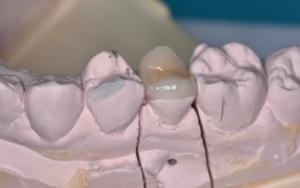
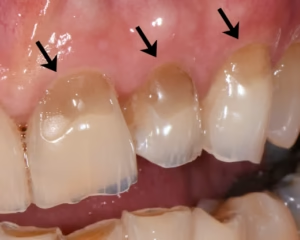
The force generated during clenching can be considerable. Over time, grinding may flatten the biting edges of teeth, chip porcelain, loosen restorations, cause tooth sensitivity and place excessive strain on the jaw joints and chewing muscles. Teeth may look shorter, more yellow as inner tooth structure becomes exposed, or develop fine cracks that are not immediately visible.
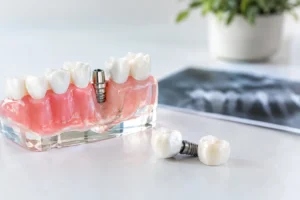
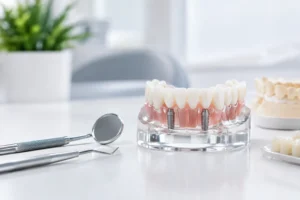
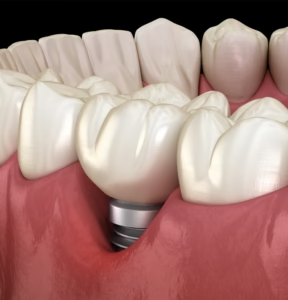
For patients with crowns, bridges, veneers, implants or extensive dental rehabilitation, uncontrolled grinding deserves particular attention. Restorative work should be designed around how you bite, but even carefully planned restorations can be damaged when heavy forces continue night after night. Protecting the bite is part of protecting the investment in your oral health.
How to stop teeth grinding: begin with the cause
There is no single cure that suits everyone. Grinding can be linked to emotional stress, poor sleep, alcohol, caffeine, smoking, certain medicines, an uneven or unstable bite, jaw muscle tension or sleep-related breathing concerns. Sometimes no clear trigger is found.
A proper dental assessment looks beyond worn teeth. Your clinician should examine the pattern of wear, the muscles around your jaw, the jaw joints, existing fillings or crowns, and how your teeth meet when you close and move your jaw. This matters because treating a symptom without understanding the bite can lead to a short-lived result.
If grinding is new, severe or accompanied by disrupted sleep, loud snoring, gasping, marked daytime tiredness or morning headaches, medical assessment may also be appropriate. Sleep quality and breathing can influence nighttime clenching. A dentist can identify signs that merit further investigation, while a doctor or sleep clinician assesses sleep-related conditions.
A night guard protects teeth, but does not always stop grinding
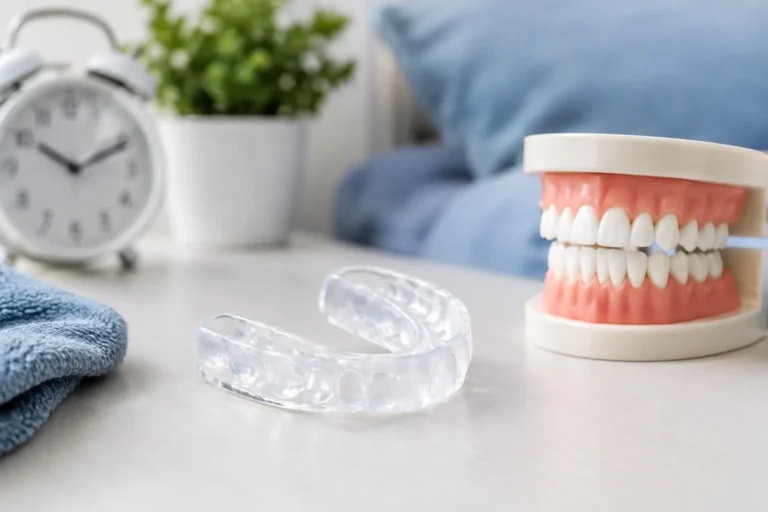
A professionally made occlusal splint, often called a night guard, is one of the most reliable ways to reduce damage from sleep grinding. It creates a protective barrier between the upper and lower teeth and helps distribute forces more evenly. It may also reduce muscle strain for some people.
However, a guard does not necessarily eliminate the underlying muscle activity. Think of it as protection rather than a complete cure. It must also fit accurately and be reviewed periodically, especially if you have crowns, veneers, implants or a changing bite. A poorly fitting over-the-counter guard can feel bulky, alter where the teeth meet or provide inadequate protection.
The most suitable design depends on your teeth, jaw relationship and the restorations present. A precise appliance is particularly important where there are multiple restorations or a full-mouth rehabilitation, because the aim is to preserve a carefully planned bite rather than introduce new pressure points.
Daytime habits that reduce clenching
Daytime clenching is often more responsive to awareness and habit change than sleep grinding. Many people hold their teeth together while reading emails, lifting weights, working under pressure or concentrating at a screen. At rest, your lips may be together, but your teeth should not be touching. Your tongue should sit lightly against the palate behind the upper front teeth, with the jaw relaxed.
Set a few discreet reminders during the day to check your jaw. When you notice contact, let the lower jaw drop slightly and take a slow breath out. This simple reset interrupts the pattern without forcing the jaw into an unnatural position.
It can also help to identify your personal clenching moments. For example, if you tend to clench during a difficult call, place a note near your screen or use a mobile phone reminder before a predictable meeting. The goal is not perfect vigilance. It is reducing the cumulative time your teeth spend under unnecessary load.
Avoid chewing gum regularly if your jaw muscles are already sore. Constant chewing can keep overworked muscles active. Similarly, try not to bite pens, ice, fingernails or food packaging. These behaviours concentrate force on a small number of teeth and can be particularly risky for weakened teeth or porcelain restorations.
Make sleep conditions more favourable
Stress management is often mentioned as a quick answer to grinding, but it should be approached realistically. You cannot always remove the cause of stress. You can, however, create a more consistent wind-down routine that signals to the body that it is time to rest.
In the hour before bed, reduce stimulating work where possible and choose an activity that settles you, such as gentle stretching, reading or slow breathing. Keeping a regular sleep schedule can be useful, particularly for people whose clenching becomes worse after several short nights.
Alcohol close to bedtime may worsen sleep quality and can aggravate grinding in some people. Caffeine affects individuals differently, but reducing late afternoon and evening intake is a sensible trial if you are waking tense or restless. These changes are not a substitute for assessment, yet they can be worthwhile alongside a protective appliance.
If you take regular medication and suspect that grinding began after a change in prescription, do not stop it independently. Speak to the prescribing clinician. They can advise whether the timing is relevant and whether an adjustment is appropriate.
When bite treatment may be needed
It is tempting to assume that all grinding is caused by an imperfect bite. In reality, the relationship is more complex. Adjusting teeth simply to treat grinding is not appropriate without a careful diagnosis. Irreversible changes to healthy tooth structure should never be a casual first response.
That said, the bite becomes highly relevant when teeth are badly worn, fractured, missing or restored in a way that no longer provides stable support. As teeth wear down, the jaw may close differently and certain teeth can receive damaging forces first. A person may then find that one crown repeatedly chips, a tooth keeps cracking or chewing feels uneven.
In these circumstances, treatment may involve rebuilding damaged tooth surfaces with conservative restorations, replacing failing restorations, or planning a more comprehensive rehabilitation where required. The purpose is not merely to make teeth look longer. It is to establish a stable, functional bite that supports comfortable chewing and protects the jaw muscles and restorations.
For complex cases, provisional restorations or a trial phase can help assess comfort, speech, appearance and bite function before a definitive result is completed. This careful planning is especially valuable for patients with extensive wear, multiple missing teeth or implant-supported teeth.
Signs you should arrange a dental assessment
Do not wait for severe pain before seeking advice. A review is sensible if you notice repeated chipping, sensitivity, visible flattening of teeth, jaw clicking with discomfort, tight facial muscles, morning headaches or a partner hearing grinding at night. Patients with implants, crowns, bridges or veneers should also arrange a review if their guard no longer fits, feels loose, or if their bite feels different.
At Maison Dentaire, a specialist-led assessment considers the condition of each tooth, the way your teeth function together and the long-term demands placed on restorations. This is particularly relevant when grinding has already caused wear or damage that requires more than a standard guard.
Teeth grinding is manageable, but it responds best to measured care rather than a one-size-fits-all solution. Protect your teeth early, pay attention to changes in your jaw and sleep, and seek an assessment before minor wear becomes a larger restorative problem.