A replacement tooth can look convincing in a photograph yet still feel wrong when you bite, speak or chew. For patients with failing teeth, loose dentures or a full arch to replace, that distinction matters greatly. Digital dentistry gives the restorative team better information before treatment begins, helping to plan teeth that are not only attractive but designed to work comfortably with your bite, facial proportions and long-term oral health.
The technology is valuable because it supports clinical judgement. It does not replace the need for a careful examination, specialist planning or skilled treatment delivery. Used properly, however, it makes the planning process more precise, more visual and easier for patients to understand.
What digital dentistry means in restorative care
Digital dentistry is the use of digital scans, imaging, planning software and computer-guided manufacturing to assess, design and produce dental restorations. In a prosthodontic setting, it can support anything from a single crown or veneer to a full-mouth rehabilitation or fixed implant bridge.
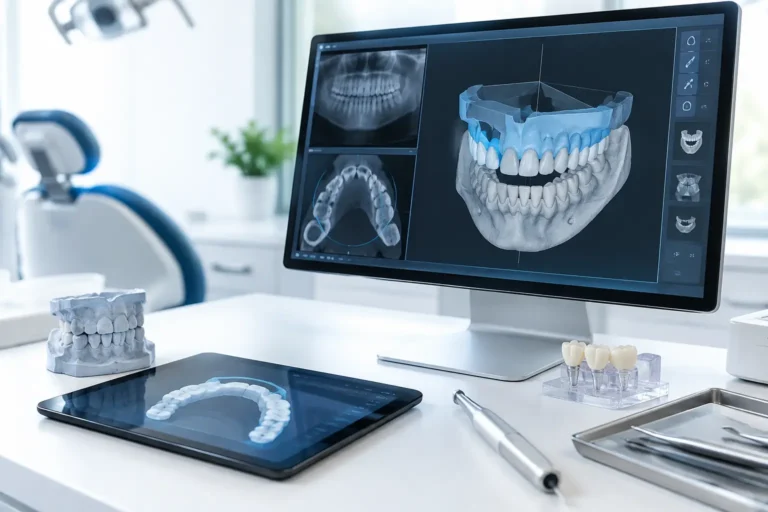
Instead of relying only on traditional impression materials, a clinician may take a detailed intraoral scan of the teeth and gums. This creates a three-dimensional digital model of the mouth. Where implants are being considered, this model can be combined with three-dimensional X-ray imaging to assess the jawbone and plan implant positions in relation to important anatomical structures.
The result is not simply a digital picture. It is a planning environment in which the proposed teeth, bite, gum levels and available bone can be considered together. For a patient who has spent years adapting to worn, broken or missing teeth, this is often the first time the intended result can be discussed in a clear and structured way.
Why precision matters more for complex treatment
A small inaccuracy in a simple restoration may be adjusted easily. In full-arch implant treatment, the consequences can be more significant. The position of each implant affects the design of the final bridge, how forces are distributed during chewing, the ability to clean around the restoration and, ultimately, the long-term prognosis.
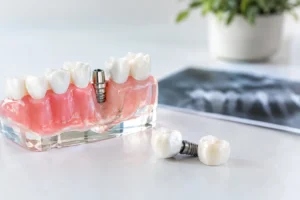
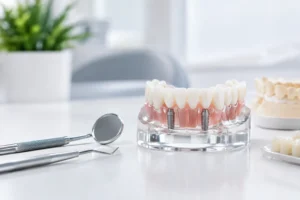
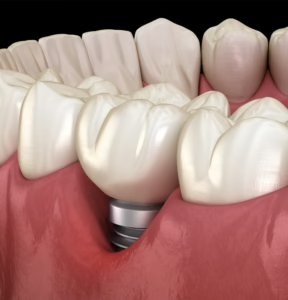
Digital planning allows the restorative outcome to guide the surgical plan, rather than treating implant placement and tooth design as separate decisions. This is particularly relevant for All-on-Four, All-on-Six and All-on-X treatment, where a fixed arch must be planned around the individual anatomy, bite relationship and aesthetic requirements of the patient.
A natural-looking smile also depends on more than tooth shade. Tooth length, lip support, smile line, facial proportions and the way the upper and lower teeth meet all influence the result. Digital tools can help assess these details, but they still require an experienced eye. The aim is not to create identical teeth for every patient. It is to create teeth that belong naturally to that individual.
A clearer picture of the bite
Occlusion is the clinical term for how the teeth meet and move against one another. It is central to prosthodontic treatment, especially when restoring several teeth or an entire arch. A restoration that is slightly too high, poorly shaped or incorrectly positioned can lead to discomfort, chipping, loosening or strain on the supporting structures.
Digital models make it easier to assess existing tooth wear, space for restorations and the relationship between the jaws. In some cases, the digital design may show that a patient needs more than a replacement tooth alone. In others, it can confirm that a conservative restoration such as an inlay, onlay or crown is sufficient. Good planning is as much about avoiding unnecessary treatment as it is about deciding what to provide.
How a digital workflow may improve the patient experience
For many patients, intraoral scanning is more comfortable than conventional impressions. A small scanner records the teeth and soft tissues without the need for bulky trays and impression material. This can be particularly welcome for patients with a strong gag reflex or those who find dental procedures stressful.
Digital records also allow treatment to be explained visually. Rather than asking a patient to imagine the condition of their teeth from a verbal description alone, the clinician can show areas of wear, missing space, old restorations or the outline of a proposed rehabilitation. That does not mean every detail can be predicted perfectly, especially where healing and biological changes are involved. It does mean decisions can be made with a more complete understanding of the starting point.
For patients travelling within Malaysia or from overseas for specialist care, accurate digital records can also help organise treatment efficiently. Appointments still need to allow for clinical checks, healing and careful review. A digital workflow should never be used as an excuse to rush complex treatment. Its purpose is to reduce avoidable uncertainty, not to compress every stage into the shortest possible timetable.
Digital implant planning is not a shortcut
Computer-guided implant planning can be highly useful, but it is sometimes presented as though software alone guarantees success. It does not. A scan can show bone volume and anatomy, yet it cannot decide whether gums are healthy enough, whether a tooth can be predictably retained, how a patient’s bite will behave over time or whether the proposed final teeth are appropriate for their face and expectations.
There are also practical limits. Scan quality can be affected by saliva, limited mouth opening, reflective materials and the shape of existing restorations. Severe tooth wear, mobile teeth and extensive missing teeth may make capturing the bite relationship more challenging. In such cases, conventional records, temporary restorations or additional clinical assessment may still be needed.
The best approach is therefore neither wholly digital nor wholly traditional. It is a carefully selected combination of records and techniques, chosen for the clinical situation. Specialist-led treatment remains essential because someone must interpret the information, identify compromises and take responsibility for the final result.
From a digital design to teeth you can use
Once the restorative plan has been agreed, digital design can support the fabrication of crowns, bridges, veneers, implant restorations and dentures. Computer-assisted manufacturing can improve consistency and allow restorations to be produced from high-quality materials with controlled shaping. Yet a restoration is not finished when it arrives from a laboratory or milling unit.
It must be tried in, assessed for fit, refined for the bite and reviewed in the mouth. Colour, surface texture, gum response and speech all need human evaluation. With implant bridges, access for cleaning and the patient’s ability to maintain the restoration are equally important. The final appointment is not merely a fitting. It is a clinical assessment of whether the planned restoration performs as intended.
For full-mouth cases, provisional teeth are often especially valuable. They can provide a practical test of the proposed tooth position, bite and appearance before the final restorations are made. Digital design helps create that starting point, while provisionalisation allows real-life feedback. If speech feels altered, the bite needs refinement or lip support requires adjustment, those findings can inform the final work.
Choosing a clinic for digital restorative treatment
When considering digital dentistry, ask what role the technology plays in the treatment plan. A thoughtful answer should focus on diagnosis, design, precision and communication, rather than simply the equipment itself. It is also reasonable to ask who plans the case, who delivers the restorative treatment and how the long-term bite will be assessed.
For complex implant or full-arch rehabilitation, continuity matters. The person responsible for designing the final teeth should have a detailed understanding of the patient’s function, appearance goals and oral health. At Maison Dentaire, treatment is personally planned and delivered by specialist prosthodontist Dr. Lee Pei Nee, with attention to the relationship between the implants, the final teeth and the bite they must support.
Digital records can make treatment more predictable, but no responsible clinician should promise perfection or recommend a standard solution for every mouth. Bone quality, gum condition, existing teeth, medical history, habits such as grinding and the patient’s ability to maintain oral hygiene all influence what is appropriate.
The most useful question is not whether a clinic is digital. It is whether the technology is being used to make better decisions for your particular case. When planning is meticulous and the final result is judged by comfort, function and longevity as well as appearance, modern technology becomes genuinely meaningful: it helps create teeth you can rely on in everyday life.