
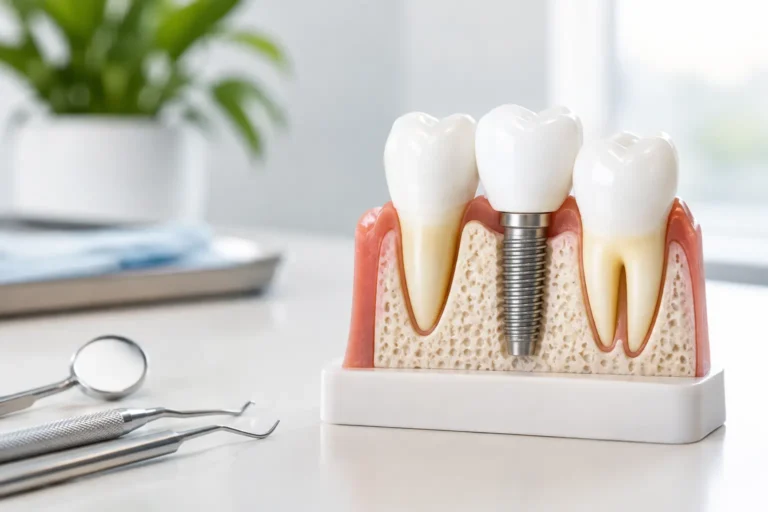
A patient who has struggled with loose dentures or failing teeth understandably wants a fixed smile as soon as possible. The Reality of “Same-Day” Implants is encouraging, but more nuanced than the phrase may suggest. In suitable cases, implants and a temporary fixed bridge can be placed on the day teeth are removed. That does not mean every patient receives their final teeth that day, nor should speed ever override careful planning.
What “same-day” treatment usually means
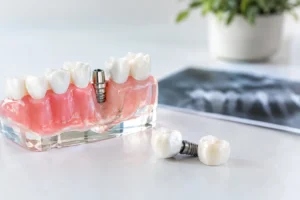
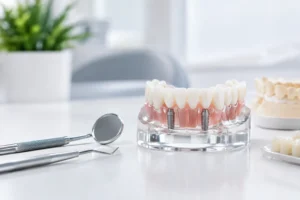
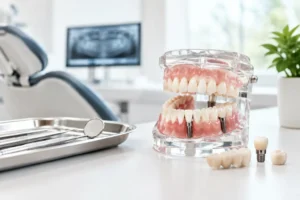
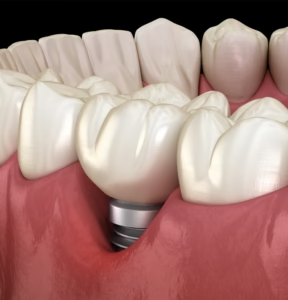
Same-day implant treatment is often referred to as immediate loading. For a full-arch case, failing teeth may be removed, implants placed, and a provisional fixed bridge fitted during the same treatment appointment or shortly afterwards. Patients can leave with teeth that look natural and are fixed in place, rather than returning to a removable denture.
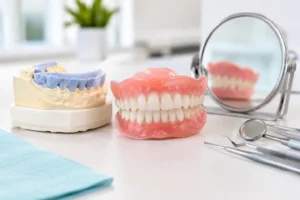
This can be life-changing for people who have avoided smiling, chosen soft foods, or worried about dentures moving while speaking. However, the bridge fitted on the day is normally a carefully designed temporary restoration. It protects the healing implants, restores appearance and speech, and allows the bite to be assessed while the bone heals.
The definitive bridge is made later, once healing is stable. This stage matters. It allows the final teeth to be refined for gum contours, facial appearance, speech, bite comfort and long-term cleansability.
The Reality of “Same-Day” Implants: suitability comes first
Not every mouth is suitable for immediate loading, and a responsible recommendation cannot be made from a photograph or a brief examination alone. The most reliable outcomes begin with a detailed assessment of the teeth, gums, bone volume, bite, medical history and expectations.
For same-day loading to be considered, implants need to achieve strong primary stability in the jaw at placement. There must also be sufficient bone in the right positions, and the planned temporary bridge must be designed to avoid excessive pressure on the healing implants.
Active infection, significant bone loss, uncontrolled health conditions, smoking habits and heavy clenching or grinding can affect the decision. These factors do not automatically rule out implant treatment, but they may mean a staged approach is safer. Occasionally, allowing the area to heal first gives a more predictable foundation for the final result.
This is not a compromise. It is sound clinical judgement. A treatment plan should be based on what gives each patient the best chance of a stable, comfortable result over many years, rather than what produces the fastest headline.
A temporary bridge still requires care
A fixed provisional bridge is more secure than a conventional removable denture, but it is not indestructible. During early healing, patients are usually advised to follow a softer diet and avoid biting hard foods directly with the front teeth. The aim is to minimise movement at the implant-bone interface while integration takes place.
Meticulous cleaning is equally important. Food debris and plaque must be removed around the bridge and gumline using the techniques recommended by the clinical team. Follow-up appointments allow the bite, tissues and provisional restoration to be reviewed as healing progresses.
Patients should also understand that temporary teeth are designed for function and appearance during healing, not as the finished result. Small changes to speech, bite sensation or the way the gums settle are expected during this period. These observations help inform the design of the final bridge.
Why specialist planning makes the difference
Placing implants is only one part of full-arch rehabilitation. The final outcome depends on how the teeth are positioned, how forces are distributed across the bite, how the lips and face are supported, and whether the bridge can be maintained properly at home.
For this reason, treatment planning should consider the end result before any tooth is removed. Digital scans, imaging, photographs and bite records help determine implant positions and the proportions of the planned teeth. Where appropriate, the temporary bridge can be planned in advance so that treatment day is organised, measured and controlled.
At Maison Dentaire, implant rehabilitation is personally planned and delivered by a specialist prosthodontist, with attention to both appearance and function. The goal is not simply to provide teeth quickly. It is to create a restoration that feels secure, looks appropriate for the individual and supports a stable bite.
The question worth asking at a consultation
Rather than asking only, “Can I have teeth on the same day?”, ask whether same-day loading is the right approach for your bone, bite and long-term needs. A clear written plan should explain what happens on treatment day, what restoration you will wear during healing, when the final bridge is expected, and what care is required along the way.
The best implant treatment is not defined by how quickly it is completed. It is defined by whether it has been planned carefully enough to help you eat, speak and smile with confidence long after healing is complete.