
A dental implant is small, but the decision behind it should not be. Premium implant brands can offer important advantages in material quality, engineering, research and long-term support. Yet the brand name on its own cannot determine whether treatment will feel natural, remain stable or protect the surrounding teeth for years to come.
For patients considering a single implant, multiple implants or a full-arch restoration, the more useful question is not simply which implant is best. It is whether the implant system, implant position, bone support, bite and final teeth have been planned as one carefully coordinated treatment.
What distinguishes premium implant brands?
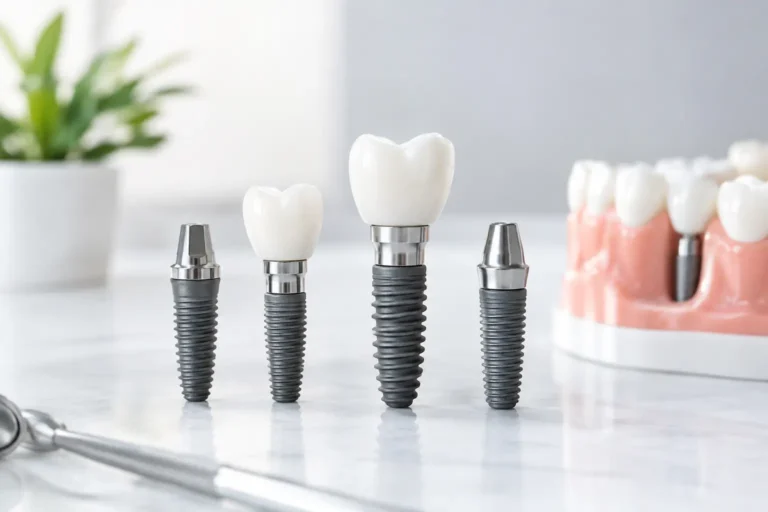
Well-established implant systems are supported by extensive clinical research, precise manufacturing standards and a broad range of components. This matters because implant treatment is not limited to the titanium fixture placed in the jaw. The connection between the implant and the final crown, bridge or full-arch restoration needs to fit accurately and remain dependable under daily chewing forces.
Internationally recognised systems such as Straumann and Megagen provide a wide choice of implant designs and restorative components. This gives the treating clinician flexibility when anatomy, bone quality, available space or aesthetic demands differ from one patient to another. It can be particularly valuable in complex work, where restoring the correct bite position is as important as replacing missing teeth.
Premium systems also tend to have established documentation, quality controls and long-term component availability. If a restoration requires maintenance in the future, using a recognised system makes it easier to identify the implant and obtain the correct compatible components. That reassurance is meaningful for patients travelling for treatment or planning to retain their restorations for many years.
A quality implant needs quality planning
The implant itself is only one part of the result. Even the finest implant system can underperform if it is placed in a position that does not properly support the final tooth, is overloaded by an unstable bite, or is restored without sufficient attention to cleansability.
At the planning stage, a specialist prosthodontist considers the final restoration first. The aim is not merely to fill a space in the gum, but to create teeth that look proportionate, allow clear speech, withstand function and can be maintained properly. This backward planning is especially relevant where several teeth are missing, existing teeth are worn down, or a patient has had repeated repairs and fractures in the past.
A three-dimensional assessment is used to evaluate bone volume, bone quality, neighbouring teeth and important anatomical structures. The intended position of the final crown or bridge then guides implant placement. When implants are placed only where bone happens to be available, without considering the final teeth, compromises can follow in appearance, function or hygiene access.
Bite forces are not an afterthought
People do not chew evenly or gently all the time. Patients with tooth wear, clenching or grinding may place substantial force on restorations. In these cases, the number and position of implants, the materials used for the final teeth and the bite design require particular care.
A treatment plan for a patient who has lost a tooth through decay may be very different from one for a patient with widespread erosion, fractured crowns and a collapsing bite. The latter may need a staged approach that addresses the whole mouth, rather than isolated implant placement. Premium implant brands are helpful tools, but they do not replace this wider diagnostic work.
Why the connection and restoration matter
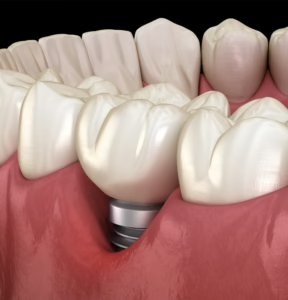
Patients often hear about the implant fixture but receive less explanation about the components above it. The abutment connects the implant to the crown or bridge, while the final restoration is the part visible when you smile and chew. Each stage affects comfort, appearance and longevity.
A precise implant-abutment connection helps reduce micromovement and supports the stability of the restoration. The shape of the abutment and crown should also allow the gum to be supported naturally where possible, while leaving enough access for daily cleaning. A crown that looks attractive but cannot be cleaned effectively may create problems around the implant later.
For a single front tooth, small details can make a significant visual difference. The depth and angle of the implant, the thickness of the gum, the shape of the provisional tooth and the final crown contour all influence how naturally it blends with the surrounding teeth. No implant brand can guarantee an aesthetic result without careful restorative planning and execution.
For bridges and full-arch work, precision becomes even more critical. Multiple implants need to work together, and the bridge must distribute forces sensibly across them. The final teeth should allow you to speak comfortably, eat confidently and maintain access beneath the bridge. This is why full-arch rehabilitation should be assessed as a functional reconstruction, not simply a fixed replacement for missing teeth.
When a premium system is particularly worthwhile
A recognised implant system is a sensible choice for most patients seeking predictable long-term care. It becomes especially relevant where treatment is complex, where several implants support a bridge, or where a patient is likely to need future restorative maintenance.
For All-on-Four, All-on-Six or All-on-X treatment, implant components must integrate accurately with a precisely designed full-arch bridge. The clinical team needs reliable options for angulated restorations, temporary teeth and the definitive bridge. The work also depends on careful evaluation of bone, smile line, facial support, bite relationship and expectations around appearance.
Patients travelling to Kuala Lumpur from Singapore, Australia, Hong Kong or elsewhere may understandably focus on whether treatment can be completed within a practical number of visits. A premium implant system with traceable components and a detailed written treatment plan offers greater clarity before travel begins. However, responsible care may still require time for healing, review appointments or a staged final restoration. A shorter timetable is not always the better timetable.
What patients should ask before choosing implants
Rather than choosing treatment from a brand name alone, ask who will plan and deliver the work, which system is being used and why it suits your case. You should also understand what is included in the proposed restoration, how the bite will be assessed, and what maintenance will be needed afterwards.
It is reasonable to ask whether genuine manufacturer components will be used. Non-original parts may appear less costly at the outset, but their fit, traceability and long-term support can be uncertain. It is also sensible to ask how the implant details will be recorded. A patient should retain clear documentation of the implant system, size and position for future reference.
For more extensive treatment, ask to see how the proposed final teeth will be planned. This may involve photographs, scans, diagnostic models or a trial design. These records help turn general hopes for a better smile into a treatment plan that can be assessed for tooth shape, speech, bite and facial balance before the definitive work is made.
Long-term success includes maintenance
Implants cannot decay, but the gum and bone around them still need regular care. Plaque accumulation can lead to inflammation around an implant, and untreated inflammation may eventually affect the supporting bone. Good implant treatment therefore includes a realistic maintenance plan, not just a successful fitting appointment.
Daily cleaning methods depend on the restoration. A single implant crown is maintained differently from a full-arch bridge, which may require specific brushes or interdental cleaning aids. Regular professional reviews allow the bite, gum health, restoration surfaces and screws to be checked before minor issues become larger ones.
If you clench or grind your teeth, a protective night guard may be recommended after implant restoration. This is not a sign that the implant is weak. It is a practical way to reduce excessive load on carefully made teeth and protect the investment in your oral health.
Premium implant brands are valuable because they provide a dependable clinical foundation. The lasting outcome, however, comes from the judgement applied to every stage: diagnosis, implant positioning, restoration design, bite control and long-term care. The right treatment is the one planned carefully enough that you can stop thinking about your teeth and return to eating, speaking and smiling with confidence.