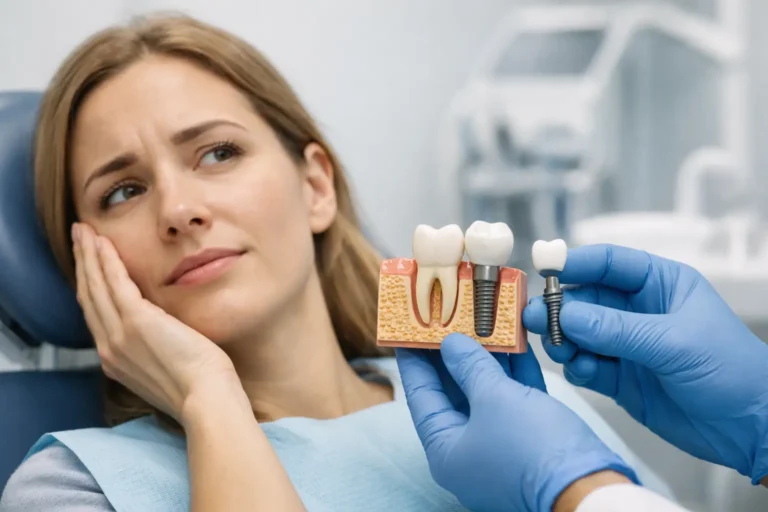
A missing tooth can affect far more than a smile. It can change how comfortably you chew, how clearly you speak, and, over time, how your remaining teeth and bite function. It is understandable, then, that the first question many patients ask is: is dental implant procedure painful?
The straightforward answer is that the procedure itself should not be painful. Dental implants are placed under effective local anaesthetic, so you should feel pressure and movement, but not sharp pain. Most patients find the experience more manageable than they expected. The greater consideration is usually the first few days of recovery, when tenderness and swelling are normal and need sensible aftercare.
Every mouth is different, however. The complexity of the procedure, the condition of the bone and gums, the number of implants required, and whether teeth need to be removed all influence how recovery feels. Careful planning is what keeps treatment as comfortable, predictable and minimally invasive as possible.
What does dental implant treatment feel like?
Before implant placement, the area is thoroughly numbed with local anaesthetic. Your clinician should test that you are fully comfortable before beginning. During the treatment, you may notice vibration, pressure or a sensation of gentle pushing. These sensations can feel unfamiliar, but they are not pain.
For patients who feel particularly anxious, sedation may be appropriate in some cases. Sedation does not replace local anaesthetic, but it can help you feel deeply relaxed and less aware of the procedure. This is decided after discussing your medical history, level of anxiety and the nature of the treatment.
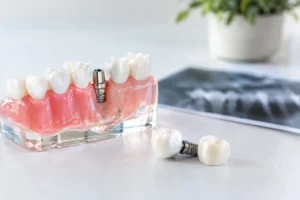
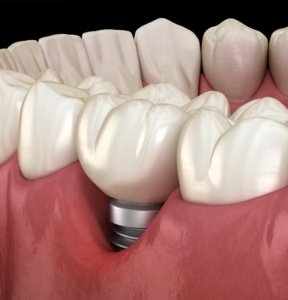
An implant is a small titanium fixture placed precisely into the jawbone to replace a tooth root. Once it integrates with the bone, it can support a crown, bridge or full-arch fixed prosthesis. The surgical element is often less dramatic than patients imagine, especially when the treatment has been planned with detailed imaging and an understanding of the bite.
Why planning affects comfort
A dental implant should never be approached as simply placing a screw in bone. Its position needs to support the final tooth or teeth, sit safely in relation to neighbouring roots and anatomical structures, and work harmoniously with the way you bite.
A specialist prosthodontic approach begins with the desired restorative result. The shape, position and appearance of the final crown or full arch are considered alongside bone volume, gum contours and chewing forces. This helps avoid unnecessary intervention and allows treatment to be carried out with precision.
In some cases, bone grafting or a sinus lift is needed before or alongside implant placement. These procedures can add to recovery time, although they are performed under anaesthetic and managed with appropriate pain relief. In other cases, sufficient bone is available and implant placement is comparatively straightforward. A proper consultation should explain which situation applies to you, rather than making assumptions from a standard treatment package.
Is dental implant procedure painful after the anaesthetic wears off?
Once numbness fades, it is normal to experience discomfort rather than severe pain. Many patients describe it as similar to the feeling after a tooth extraction, with localised tenderness when chewing or brushing near the site. The first 48 to 72 hours are usually when swelling and soreness are most noticeable.
Your clinician will advise you on suitable pain relief, which may include medication available from a pharmacy or prescription medication where clinically indicated. Taking it as directed before discomfort builds can make the first day easier. A cold compress against the outside of the face, used intermittently, may also help limit swelling.
You may notice mild bruising, stiffness when opening your mouth, or slight bleeding on the day of surgery. These can be normal short-term effects. Soft foods, good hydration and avoiding strenuous exercise for a few days all support a calmer recovery.
Pain should improve steadily, not become more intense. If throbbing pain develops several days after the procedure, if swelling worsens rather than settles, or if you have fever, persistent bleeding or a bad taste, contact your dental team promptly. These signs do not automatically mean something is seriously wrong, but they deserve an assessment rather than being ignored.
Single implants and full-arch implant treatment
Replacing one tooth with one implant usually involves a relatively focused surgical area. Where the tooth has already been missing and the gum and bone are healthy, recovery can be quite uneventful. If a damaged tooth needs to be removed at the same appointment, or bone needs to be rebuilt, there may be more tenderness initially.
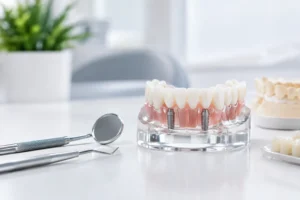
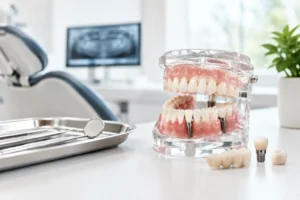
Full-arch treatment, such as All-on-Four, All-on-Six or an individually designed All-on-X rehabilitation, is more extensive because several implants support a complete fixed set of teeth. Patients may require removal of failing teeth, reshaping of the jawbone in selected cases, and a temporary fixed bridge while healing takes place. This can mean more swelling and a longer period of adjustment than a single implant.
That does not mean full-arch treatment has to be an ordeal. For patients who have lived with loose dentures, painful failing teeth or difficulty eating, the temporary recovery period can be worthwhile for the prospect of stable teeth and restored confidence. The key is to have realistic expectations: you may need a soft-food diet at first, careful cleaning guidance and review appointments while the implants integrate.
Factors that can make recovery more difficult
Healing is influenced by more than the surgery itself. Smoking or vaping can compromise blood supply and substantially increase the risk of implant complications. Poorly controlled diabetes, active gum disease, certain medications and heavy clenching or grinding also require specific planning.
Good oral hygiene matters from the beginning. This does not mean aggressively brushing a fresh surgical site. It means following the individual instructions you are given, which may include a soft toothbrush, gentle cleaning around the area and an antimicrobial mouth rinse if prescribed. The aim is to keep the mouth clean without disturbing the healing tissues.
The quality of the temporary restoration is also relevant. A temporary tooth or bridge should be designed to protect the implants and help you function comfortably while avoiding excessive biting forces. For full-mouth rehabilitation, attention to the bite is not a cosmetic detail. It is fundamental to protecting the implants, prosthesis and surrounding bone over the long term.
What you can do to feel more comfortable
Prepare for a quiet day after surgery and, where possible, arrange for someone to accompany you home if sedation is used. Eat a light meal before your appointment unless you have been instructed otherwise, and have soft foods ready at home. Soups that are not too hot, yoghurt, eggs, soft fish and mashed foods are often easier in the early stages.
Avoid smoking, alcohol, vigorous rinsing, spitting and drinking through a straw immediately after surgery, as these can interfere with clot formation and healing. Do not test the implant or temporary tooth by biting hard foods. Implant healing takes time, even if you feel surprisingly well after a few days.
Most importantly, ask questions before treatment. You should know what procedure is planned, whether grafting or extractions are anticipated, what temporary teeth will be provided if relevant, how long healing is likely to take and what the fees cover. Clear written planning reduces uncertainty, which is often a greater source of fear than the procedure itself.
When fear of pain should prompt a consultation
Avoiding treatment because of fear is understandable, particularly if you have had a difficult dental experience before. Yet delaying replacement of missing or failing teeth can allow teeth to drift, bone to shrink and bite problems to become more complicated. Early assessment may give you more conservative options.
At Maison Dentaire, implant treatment is personally planned around the health of your gums and bone, the final appearance you want, and the way your teeth need to function together. The objective is not simply to place an implant, but to create a restoration that is comfortable, natural-looking and designed for longevity.
If pain is your main concern, bring it up openly at the consultation. A calm explanation of each stage, appropriate anaesthesia and a plan tailored to your clinical needs can make dental implant treatment feel far more manageable than you expect.