
A smile can look uneven for many reasons: worn edges, old crowns that no longer match, gaps, discoloured teeth, failing bridges, or missing teeth that have changed the way you bite. A thoughtful smile makeover KL guide should begin there, not with a pre-selected treatment. The most attractive result is rarely the brightest or most uniform one. It is the result that looks natural for your face, feels comfortable when you chew and is designed to remain stable over time.
For some patients, a small number of carefully planned veneers or crowns can make a meaningful difference. For others, especially those with multiple failing teeth or loose dentures, a full-mouth rehabilitation or fixed implant solution may be the more appropriate route. The right choice depends on the condition of your teeth, gums, bite and bone support, as well as what you want your smile to do for you every day.
What a smile makeover should address
A smile makeover is not one procedure. It is a treatment plan that may combine restorative and aesthetic dentistry to improve the appearance, function and proportion of the teeth. Cosmetic changes without attention to bite function can be short-lived. A crown or veneer may look excellent at first, but excessive pressure from clenching, an uneven bite or unsupported missing teeth can lead to chipping, loosening or discomfort.
Specialist planning therefore considers more than shade and shape. It examines how your upper and lower teeth meet, the condition of existing restorations, gum levels, facial proportions and the way you speak. If you have missing teeth, the plan must also consider how those spaces affect neighbouring teeth and the underlying bone.
This is particularly relevant for patients whose teeth have become progressively worn, broken or difficult to eat with. In these situations, restoring the correct bite height may be as important as improving the visible front teeth. The aim is not to create a generic smile. It is to restore a smile that suits you and functions predictably.
Smile makeover KL guide: start with diagnosis
The consultation is where the quality of a smile makeover is established. A proper assessment takes time because treatment should be based on evidence, not assumptions. Your clinician will usually assess the teeth, existing crowns or fillings, gum condition, jaw relationship and areas of tooth loss. Diagnostic photographs, digital scans and X-rays may be used where clinically appropriate to understand what cannot be seen during a visual examination.
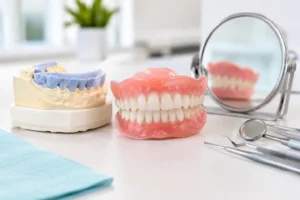
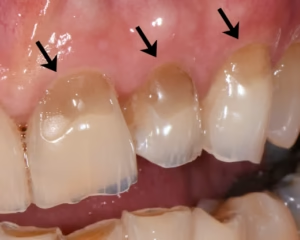
This assessment often reveals whether a concern is mainly aesthetic or whether it is linked to a deeper functional issue. For example, a dark front tooth may need more than a veneer if its foundation is compromised. A gap may be a cosmetic concern, but it may also reflect tooth movement following a missing back tooth. Similarly, dentures that move while eating can affect confidence, nutrition and speech, not simply appearance.
A written plan is valuable because it sets out the recommended stages, alternatives and likely maintenance needs. It should also explain what is necessary now, what can be monitored and what does not need treatment. Conservative care matters. Healthy tooth structure should not be removed merely to pursue a fashionable look.
Choosing the right treatment for your needs
There is no single best smile makeover treatment. The appropriate approach depends on the health of the teeth and the extent of change required.
Veneers, inlays and onlays for selected improvements
Veneers can improve the colour, shape, proportion and minor alignment appearance of visible teeth. They are often suitable where the underlying teeth are healthy and sufficient enamel can be preserved. They are not automatically the answer to every uneven smile, particularly if there is significant wear, large existing restorations or heavy bite forces.
Inlays and onlays may be recommended when a tooth has lost substantial structure but does not require full coverage with a crown. These restorations can provide a precise, durable repair while retaining more of the natural tooth where appropriate.
Crowns and bridges when teeth need support
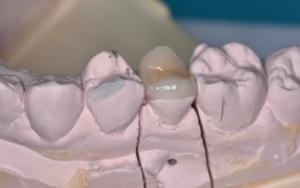
A crown may be considered when a tooth is heavily filled, fractured, worn or structurally weakened. Modern crowns can be designed to look highly natural, but their purpose is also protective. The material, thickness and bite contacts require careful planning to avoid overloading the restoration or surrounding teeth.
A bridge can replace one or more missing teeth in selected cases. Whether it is suitable depends on the health and strength of the supporting teeth, the span of the space and your long-term goals. A bridge can be an effective solution, but it is not interchangeable with an implant-supported option.
Dental implants for missing teeth and full-arch rehabilitation
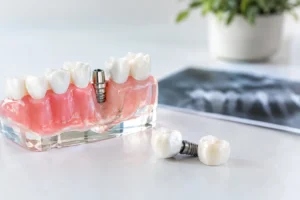
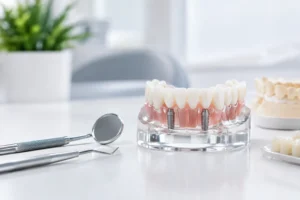
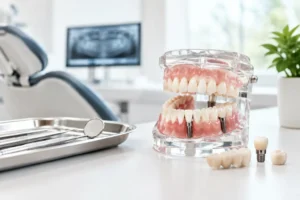
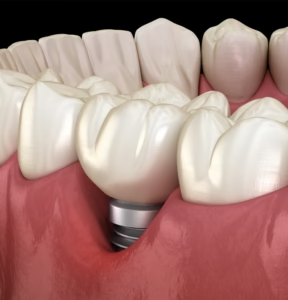
When teeth are missing or cannot be saved, implants can provide stable support for replacement teeth. A single implant may replace one missing tooth, while multiple implants can support a bridge or a full fixed arch of teeth. For patients struggling with loose conventional dentures or widespread tooth failure, All-on-Four, All-on-Six or another All-on-X approach may offer a fixed alternative following detailed assessment.
Implant treatment is not simply about placing fixtures in the jaw. Bone volume, bite forces, medical history, hygiene and the design of the final teeth all affect long-term success. Premium implant systems, including Straumann and Megagen, are selected as part of a wider restorative plan, not as a substitute for that planning.
A natural smile is about proportion, not perfection
Many patients ask for teeth that look white, straight and youthful. These are reasonable aims, but natural-looking dentistry needs restraint. Teeth have subtle differences in translucency, surface texture and shape. The most successful work respects these details while improving harmony across the smile.
Shade selection should take account of skin tone, lip colour, age and adjacent natural teeth. Very bright teeth can look artificial if they do not suit the face or if only a few teeth are being restored. Where possible, the design should allow a transition that blends with your existing smile.
Tooth length is equally important. Teeth that are made too long can affect speech and lip support, while teeth that are too short may not restore the youthful proportions lost through wear. A specialist prosthodontist considers these details alongside the way your teeth function during speaking and chewing.
Why bite planning protects aesthetic work
A smile makeover should feel as good as it looks. If teeth meet heavily in the wrong places, porcelain restorations may chip and natural teeth may continue to wear. Jaw discomfort, sensitivity or repeated breakages can also be signs that bite forces need closer attention.
This does not mean every patient needs extensive treatment. Some patients require only minor adjustment and well-designed restorations. Others may benefit from a phased reconstruction that restores the back teeth first, establishes a stable bite and then refines the visible smile. The order matters because front teeth should not be asked to carry forces that back teeth are designed to manage.
A night guard may be advised for patients who clench or grind their teeth. It is a protective measure, not a sign that treatment has failed. Even excellent restorations need protection when they are exposed to persistent excessive force.
Planning around time, comfort and maintenance
The pace of treatment varies. A limited makeover may be completed over a relatively short series of appointments, while implant-based or full-mouth rehabilitation requires staged planning and healing time. Patients travelling to Kuala Lumpur should discuss timing early so that diagnostic, treatment and review appointments can be organised realistically.
Maintenance is part of the decision, too. Crowns, veneers, bridges, implants and dentures all need ongoing professional review and careful daily cleaning. No restoration is maintenance-free, and honest planning should include this from the outset. Choosing a treatment that you can care for comfortably is often more valuable than choosing the most extensive option.
At Maison Dentaire, Dr Lee Pei Nee personally plans and delivers treatment with the aim of balancing appearance, function and long-term oral health. This specialist-led approach is especially important where a smile concern involves complex restorations, missing teeth or a bite that has changed over time.
The most useful next step is a consultation focused on your own teeth rather than a copied smile. Bring your concerns, ask what can be preserved and ask how each proposed restoration will function. A calm, detailed discussion now can help you choose treatment that still feels right when the novelty of a new smile has passed.