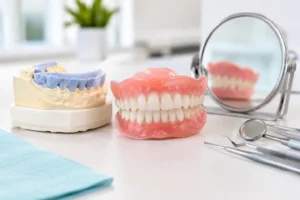

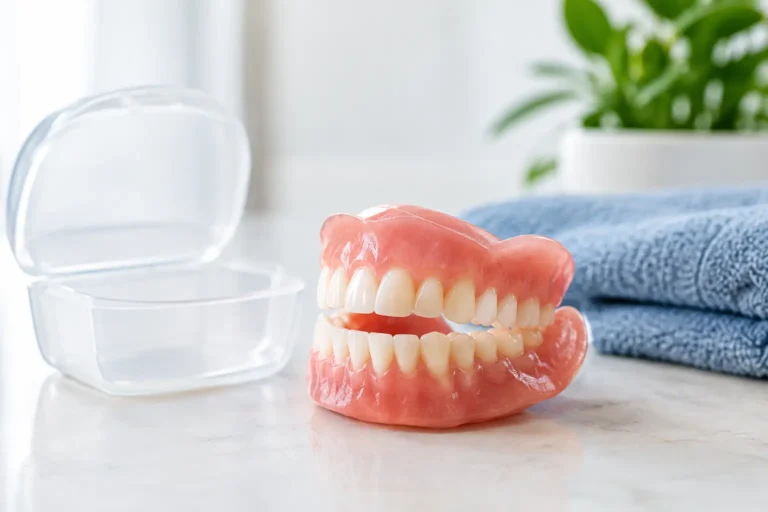
A denture that rubs, clicks while speaking, lifts when you chew, or leaves you avoiding favourite foods is not something you should simply accept. Can dentures be made more comfortable? In many cases, yes – but the answer depends on why they are uncomfortable in the first place. A careful assessment of fit, bite, gum health and the way the denture has been designed is far more useful than repeatedly relying on adhesive.
Comfort is not a luxury in denture treatment. It is central to being able to eat, speak and smile with confidence. Well-planned dentures should distribute pressure evenly, support the lips and face naturally, and work in harmony with the muscles of the mouth and jaw.
Why dentures become uncomfortable
Dentures rest on living tissues that change over time. After teeth are removed, the jawbone and gums gradually remodel. This is often most noticeable in the lower jaw, where there is less surface area to support a full denture and the tongue and cheek muscles can more easily dislodge it.
A denture that once felt acceptable may therefore become loose months or years later. When it moves during chewing, it can create friction and concentrated pressure points. Small sore areas can quickly make eating difficult, while a loose upper denture may affect speech or cause a feeling of bulk across the palate.
Discomfort may also come from the bite rather than the fit alone. If the teeth on a denture meet unevenly, one side may receive too much force. This can make the denture rock, cause tenderness beneath it, or tire the jaw muscles. An overly worn denture can also reduce the vertical height of the face, changing the way the jaws close and sometimes affecting appearance and comfort together.
Dry mouth is another overlooked factor. Saliva helps create a seal between the denture and gum tissues, particularly for an upper full denture. Certain medicines, medical conditions, dehydration and mouth breathing can reduce saliva, making a denture feel less secure and more likely to rub.
Can dentures be made more comfortable with an adjustment?
Sometimes, a straightforward adjustment is all that is needed. A specialist can identify high-pressure areas using clinical examination and marking materials, then carefully relieve only the parts responsible for rubbing. This is precise work: removing too much acrylic can reduce stability, while removing too little may not solve the problem.
If a denture is generally well designed but has become loose because the gums have changed shape, a reline may be appropriate. A reline reshapes the fitting surface of the denture so it matches the current contours of the mouth. This can improve retention and spread chewing forces more evenly.
However, relining is not a universal answer. If the denture teeth are worn, the bite is no longer balanced, the base is poorly shaped, or the appearance and lip support are compromised, a new denture may offer a more predictable result. Continuing to modify a denture that was never properly planned can become frustrating and may not address the true cause of discomfort.
The importance of a properly planned bite
A comfortable denture is not made by taking an impression alone. It requires attention to jaw relationship, bite height, tooth position, facial support and the movement of the lips, cheeks and tongue. These details influence whether the denture remains stable during real-life activities, not just while sitting still in the dental chair.
For example, placing teeth too far out towards the cheeks can make a lower denture easier to dislodge. Setting the bite too high may lead to strain and clicking; too low, and the face may appear collapsed while chewing becomes less efficient. The shape and thickness of the denture base also need to be considered carefully. A thinner design may feel less bulky, but it must still have sufficient strength and support.
This is why denture treatment benefits from prosthodontic planning. The aim is not merely to produce a set of teeth, but to create a prosthesis that respects the way an individual patient speaks, bites and moves their jaw.
Daily measures that can reduce rubbing and movement
Good home care supports denture comfort, although it cannot correct a poor fit. Remove dentures at night unless you have been given specific clinical instructions otherwise. This gives the gum tissues time to recover and makes it easier to clean both the denture and the mouth thoroughly.
Clean the denture daily with a soft brush and a suitable denture cleanser. Ordinary toothpaste can be too abrasive for acrylic surfaces, creating tiny scratches that retain plaque and staining. Clean your tongue, gums and palate gently as well. A clean fitting surface is less likely to irritate tissues.
If you use denture adhesive, apply a small amount and see it as a temporary aid rather than a permanent solution. Adhesive can be helpful for a well-fitting denture during social occasions or while awaiting an adjustment. Needing increasing amounts to keep a denture in place is usually a sign that the fit needs to be reviewed.
For dry mouth, frequent sips of water and saliva-supporting products may help. It is also sensible to discuss persistent dry mouth with your dentist or doctor, especially if it began after a change in medication. Avoid attempting to reshape your denture at home or using over-the-counter repair kits. These can damage the fit and make a professional repair more difficult.
When implant support may be the better solution
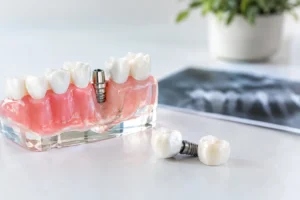
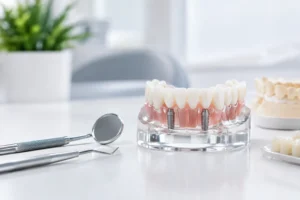
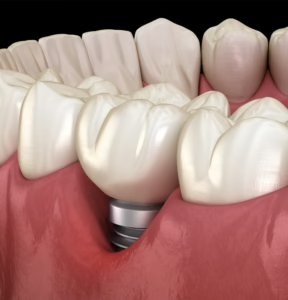
For patients who are troubled by repeated looseness, especially with a lower full denture, dental implants can make a significant difference. Implants act as stable anchors in the jawbone and can support a removable overdenture or a fixed full-arch restoration, depending on the condition of the bone, health, expectations and treatment goals.
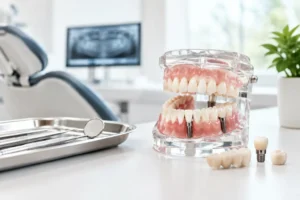
An implant-retained overdenture remains removable for cleaning but clips securely onto implants. It may substantially reduce the movement that causes rubbing and improve confidence when eating and speaking. It can be an excellent option for patients who prefer a removable design but want greater stability.
For suitable patients seeking teeth that remain fixed in place, full-arch implant rehabilitation such as All-on-Four, All-on-Six or an individualised All-on-X approach may be considered. This is a more involved treatment and requires detailed planning of bone volume, bite, facial aesthetics and long-term maintenance. It is not automatically the right choice for everyone, but it can provide a closer experience to fixed teeth for those who are appropriate candidates.
The most suitable option should never be decided from an X-ray or a photograph alone. A proper consultation includes an assessment of the mouth, existing dentures, jaw relationship, medical history and what matters most to you – whether that is improved chewing, a less bulky palate, a more natural appearance or simply being able to speak without worrying that the denture will move.
Signs you should arrange a denture review
Do not wait for significant pain before seeking help. A review is sensible if your denture has started moving, if you regularly need adhesive, or if chewing has become difficult. Recurrent ulcers, cracks at the corners of the mouth, persistent soreness, altered speech and a change in facial support also deserve assessment.
Any ulcer, red patch or area of irritation that does not heal within two weeks should be examined promptly. Dentures can cause trauma, but persistent mouth changes should not be assumed to be caused by the denture without a professional examination.
At Maison Dentaire, denture and implant treatment is planned around function as carefully as appearance. Dr Lee Pei Nee, a registered specialist prosthodontist, assesses the details that often determine whether a restoration feels merely tolerable or genuinely secure and comfortable over time.
You do not have to measure success by how much discomfort you can put up with. The right next step is a careful assessment of the cause, followed by a solution that protects your oral tissues and gives you greater confidence in everyday life.