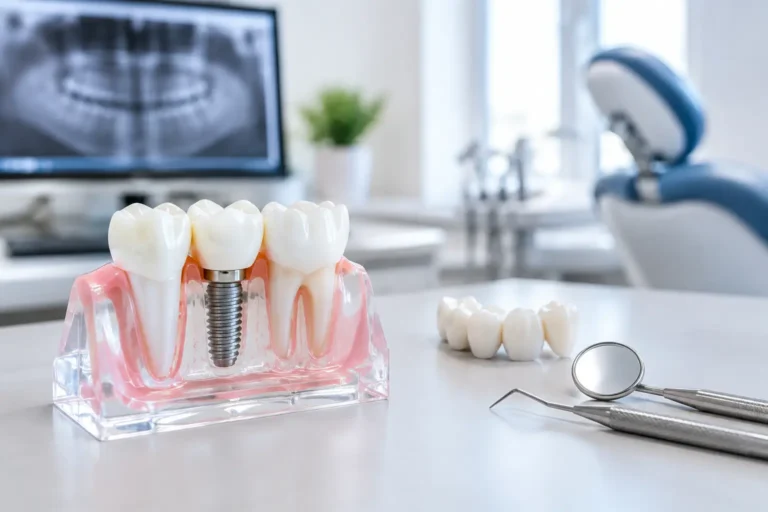
For someone who has lived with loose dentures, painful failing teeth, or gaps that make eating difficult, the idea of same day teeth can feel life-changing. The phrase usually refers to receiving fixed teeth on the day dental implants are placed. It can restore appearance, speech and confidence quickly, but it is not a shortcut around careful clinical planning. A successful result depends on the condition of your bone, gums, bite and overall health, as well as the precision of the treatment from the first assessment.
What are same day teeth?
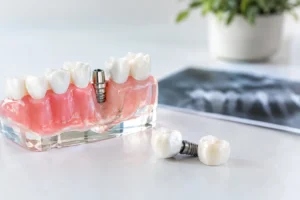
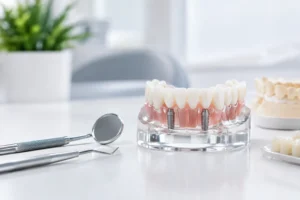
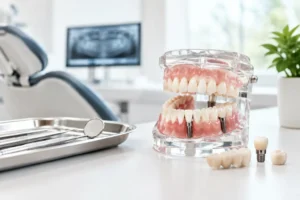
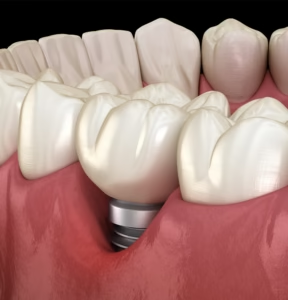
Same day teeth are most commonly part of a full-arch implant treatment, such as All-on-Four, All-on-Six or a personalised All-on-X approach. A small number of carefully positioned implants are used to support a fixed bridge that replaces all the teeth in an upper or lower jaw.
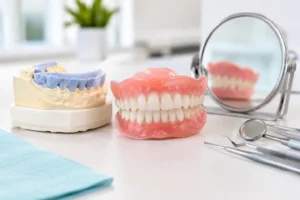
Where appropriate, implants are placed and a temporary fixed bridge is fitted on the same day. This means you leave with teeth that are attached to the implants rather than a removable denture. They are designed to look natural and allow you to speak and smile with greater confidence during healing.
The teeth fitted on treatment day are usually provisional, not the final bridge. This distinction matters. Your gums and bone need time to heal and settle around the implants. The final teeth are made later, once the implants have integrated with the bone and the bite can be refined accurately. Rushing this stage may compromise comfort, aesthetics or long-term durability.
Who may be suitable for same day teeth?
Same day treatment is not suitable simply because a patient wants a fast result. The implants must achieve enough initial stability at placement to support a fixed provisional bridge safely. This is assessed through detailed examination, 3D imaging and treatment planning before any procedure is scheduled.
Patients may be considered where they have multiple missing teeth, severely failing teeth, or full dentures that move during eating or speaking. In some cases, remaining teeth that cannot be predictably saved are removed and implants are placed at the same appointment. For others, treatment is planned in stages to protect existing healthy teeth or build a stronger foundation first.
Bone volume and bone quality are significant factors. A person with substantial bone loss may still be suitable for implant rehabilitation, but may require a different implant position, additional healing time, or grafting before a fixed bridge can be loaded. Medical history also needs careful review, particularly where diabetes is not well controlled, smoking is heavy, or medication affects bone healing.
A specialist-led consultation should establish whether immediate teeth are clinically sensible for you, rather than treating them as the default option.
Fixed teeth do not mean unrestricted chewing straight away
A same-day bridge is fixed, but it is still protecting newly placed implants while they heal. A soft-food diet is normally required in the early healing period. This is not a minor instruction. Excessive force, hard foods and chewing habits can overload implants before they have fully integrated.
Patients who grind or clench their teeth need particular attention. Bite forces can be substantial, especially in full-arch restorations. The bridge design, implant number, material selection and long-term protective plan should account for this from the outset.
The planning behind successful same day teeth
The treatment day is highly visible, but the planning beforehand often determines the outcome. A proper assessment considers far more than whether implants can be placed into available bone. It should assess facial proportions, lip support, smile line, tooth display, speech, gum levels and how the upper and lower jaws meet.
Digital scans, photographs, clinical records and 3D imaging help create a plan that is specific to your anatomy. The desired tooth position is considered first, then the implants are planned to support that result wherever possible. This prosthetically driven approach is essential. Implants positioned without regard for the final teeth can make it harder to create a bridge that is both attractive and easy to maintain.
At Maison Dentaire, treatment is personally planned and delivered by Dr. Lee Pei Nee, a registered specialist prosthodontist. Prosthodontic planning focuses on the final restoration as well as the surgery: how the teeth will function, where forces will fall, how the bridge will support the face, and how you will clean around it for years to come.
Choosing the right number and position of implants
All-on-Four and All-on-Six are widely recognised terms, but they are not fixed recipes. Four implants can provide an excellent solution in selected cases. Six or more may be preferable when anatomy, bone availability, bite forces or the desired bridge design call for additional support.
The right approach depends on the individual. A treatment plan should explain why a particular number and arrangement of implants is recommended, rather than presenting one protocol as suitable for everyone. Premium implant systems, including Straumann and Megagen, provide reliable restorative options, but clinical judgement remains central to long-term success.
What happens on the day of treatment?
The exact sequence varies, especially if teeth need to be removed. In broad terms, the appointment involves preparing the mouth, placing the implants according to the planned positions, and checking their stability. Records are then taken so that the provisional bridge can be fitted and adjusted.
The bridge is assessed for appearance, speech and bite. It should not feel like an ordinary denture, but it can take time to become accustomed to the new tooth shape and lip support. Mild swelling, tenderness and temporary changes in speech are common after surgery. Your clinical team should provide clear instructions on medication, cleaning, diet and follow-up appointments.
A fixed provisional bridge often provides an immediate emotional benefit because patients do not have to face daily life without teeth. However, it should be viewed as an important healing-stage restoration. The final result is achieved over a series of carefully timed reviews, not in a single day.
From provisional bridge to final teeth
Healing usually takes several months, although the appropriate timing varies. During this period, the gum tissue settles and the implants integrate with the jawbone. Your provisional bridge gives useful information about tooth length, speech, bite, smile appearance and comfort. Small adjustments at this stage can improve the final design considerably.
Once healing is established, detailed records are taken for the final bridge. The material may be selected according to your bite, aesthetic goals, space available and maintenance needs. A final restoration should be designed to be strong, natural-looking and accessible for cleaning underneath and around the bridge.
This phase should not be treated as an afterthought. A well-made final bridge requires careful control of the bite. Even small discrepancies can lead to chipping, screw loosening, discomfort or excess strain on the implants over time.
Caring for fixed implant teeth
Implant bridges cannot decay, but the gums and bone around implants still require consistent care. Daily cleaning around the bridge is essential, usually with purpose-designed brushes and other cleaning aids recommended for your restoration. Professional maintenance appointments allow the bridge, bite, gums and implant health to be monitored over time.
Smoking, uncontrolled health conditions and missed reviews can increase the risk of biological complications. So can treating fixed teeth as indestructible. With good planning, a stable bite and reliable maintenance, implant-supported teeth can provide a highly secure and satisfying alternative to removable dentures.
Same day teeth can offer a remarkable fresh start, but the best treatment is never defined only by how quickly teeth are fitted. Choose a plan that gives equal care to the healing period, the final bridge and the years of comfortable function you want afterwards.