

For someone searching for an implant dentist Bukit Bintang, the most significant question is not simply whether implants are possible. It is whether the treatment has been planned around your bone, gums, bite, appearance and the way you want to live afterwards. A dental implant can replace a missing tooth very effectively, but long-term success depends on far more than placing a titanium fixture in the jaw.
For patients missing several teeth or living with loose dentures, this distinction matters even more. Full-arch treatment can be genuinely life-changing, yet it is also a substantial clinical commitment. Careful planning at the beginning protects comfort, function and confidence for years to come.
Why specialist planning matters for dental implants
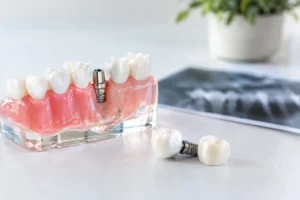
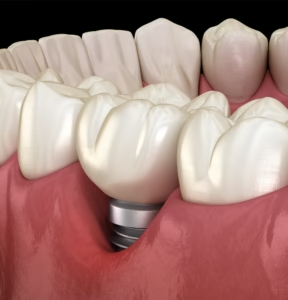
A dental implant is an artificial tooth root, usually made from titanium, which supports a crown, bridge or fixed full arch of teeth. The implant itself is only one component of the final result. The visible teeth, the gum contours, the position of the jaws and the forces created when you bite must all work together.
This is why prosthodontic expertise is particularly relevant for implant treatment. A specialist prosthodontist is trained in restoring damaged and missing teeth, including complex cases where aesthetics and function must be balanced precisely. Rather than beginning with the question, “Where can an implant be placed?”, the planning process should begin with, “What teeth need to be supported, where should they sit, and what will allow this bite to remain stable?”
That reverse-planning approach is especially important in the front of the mouth, where even a small difference in tooth position or gum level can affect the smile. It is equally important at the back of the mouth, where implants must withstand considerable chewing pressure.
What a thorough implant assessment should cover
No two mouths present the same conditions. Bone may have reduced after a tooth has been missing for some time. Gum disease may need to be controlled before implant treatment. Existing crowns, bridges or teeth may be worn, unstable or positioned in a way that affects the final bite.
A meaningful consultation therefore takes time. It should include a discussion of your concerns and medical history, an examination of your teeth and gums, and appropriate imaging to assess bone volume and anatomical structures. Digital scans, photographs and three-dimensional imaging can help the clinician plan the implant position accurately and show you the likely treatment stages.
The assessment should also consider factors that are easy to overlook:
- the health and thickness of the gum tissue
- signs of clenching or grinding
- the relationship between the upper and lower teeth
- how much lip support is needed for a natural facial appearance
- whether remaining teeth have a reliable long-term prognosis
These details influence whether an implant can be placed immediately, whether bone or gum grafting may be beneficial, and what type of restoration is most appropriate. A quick recommendation without this groundwork may sound convenient, but it leaves too much to chance.
A treatment plan should be clear, not vague
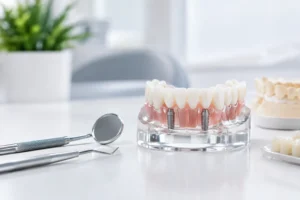
Patients should understand what is being recommended, why it is needed and what alternatives exist. In some cases, a single implant and crown is the most conservative choice. In others, a bridge supported by implants is more sensible than replacing each missing tooth individually. Where teeth are severely compromised across an entire jaw, a fixed full-arch solution may offer greater predictability than repeatedly repairing failing teeth.
A detailed written plan should set out the clinical stages, the provisional and final teeth, anticipated timing, costs and any additional procedures that may be required. It should also explain uncertainties honestly. Healing varies between individuals, and no responsible clinician should promise an identical timetable or result for every patient.
Choosing an implant dentist in Bukit Bintang for full-arch care
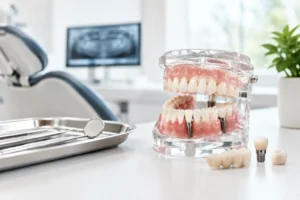
Full-arch implant rehabilitation is different from replacing one missing tooth. Patients considering All-on-Four, All-on-Six or All-on-X treatment are often struggling with dentures that move, teeth that break repeatedly, widespread infection, or difficulty eating comfortably. The aim is to create fixed teeth that look natural, feel stable and are designed around the face and bite.
The number in the name does not, by itself, determine the quality of treatment. Four implants may be appropriate for one patient, while another may benefit from more implants because of bone quality, bite forces, jaw shape or the intended design of the final bridge. All-on-X is a useful term because it recognises that treatment should be determined by clinical need rather than a fixed package.
There can also be a choice between immediate fixed teeth and a staged approach. Immediate teeth can be suitable when implants achieve sufficient stability and the clinical conditions are favourable. However, where bone is soft, infection is extensive, or the bite creates heavy loading, a more cautious healing period may provide the better long-term option. The right approach is the one that respects the biology, not the one that follows a marketing timetable.
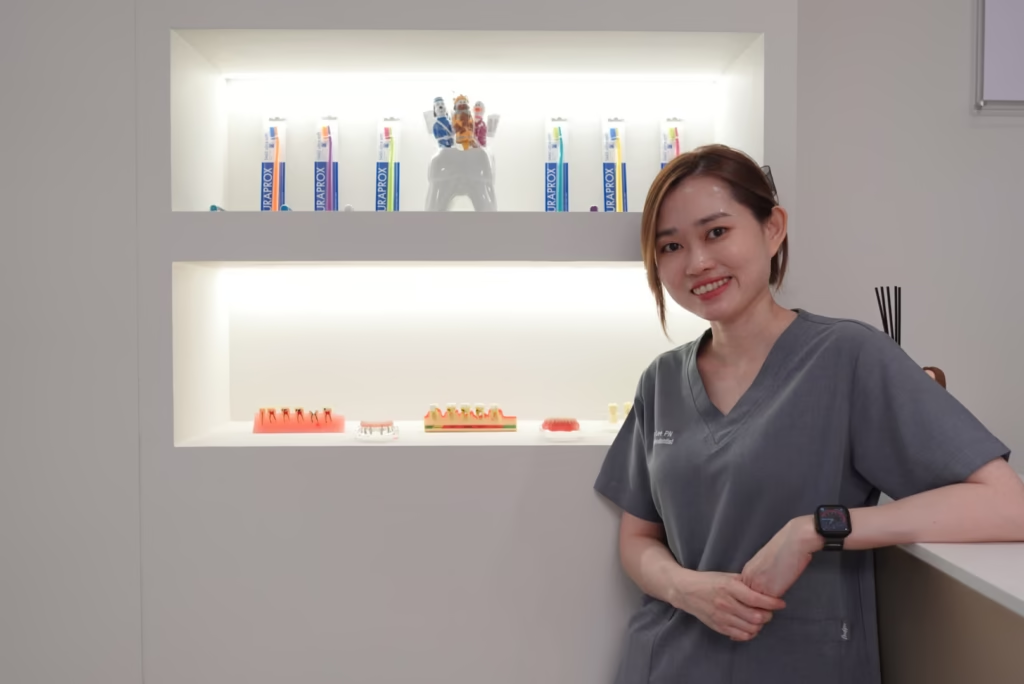
At Maison Dentaire, implant and restorative care is personally planned and delivered by Dr Lee Pei Nee, a registered specialist prosthodontist. This direct involvement matters in complex cases because the person designing the final teeth is closely involved in every decision that affects their fit, appearance and function.
The importance of bite, materials and maintenance
Implants do not have the same shock-absorbing ligament as natural teeth. This makes bite design particularly important, especially for patients who grind their teeth or have a history of broken crowns and bridges. If forces are concentrated in the wrong places, the restoration may chip, loosen or place unnecessary stress on the implants and surrounding bone.
A properly planned implant restoration considers how the teeth meet during chewing and side-to-side movement. Sometimes this involves reshaping, restoring or protecting teeth in the opposite jaw. A night guard may be recommended for patients who clench or grind. These are not optional extras designed to complicate treatment. They can be part of protecting a significant long-term investment.
Material selection also deserves a straightforward conversation. The final restoration should be chosen for its strength, aesthetics, repairability and suitability for your bite. Premium implant systems with reliable international support, such as Straumann and Megagen, offer established component availability and planning options. Yet even the best system cannot compensate for poor diagnosis, imprecise placement or an unsuitable final bridge.
After treatment, implants require consistent care. They cannot decay, but the gums and bone around them can develop inflammation if plaque is allowed to accumulate. Regular professional reviews, careful cleaning around the restoration and prompt attention to any bleeding, looseness or discomfort are essential. A fixed bridge is not maintenance-free; it is simply designed to be stable and functional when cared for properly.
Questions worth asking before you decide
When comparing providers, it is reasonable to ask who will plan and carry out the treatment, what diagnostic records will be taken, and how the final bite will be assessed. Ask whether the fee includes provisional teeth, final teeth, reviews and any anticipated surgical components. It is also sensible to ask what happens if bone grafting, gum treatment or a staged approach becomes necessary.
Do not be persuaded by implant numbers, discount language or before-and-after photographs alone. Images can be useful, but they do not reveal how the bite was planned, how well the patient can clean the restoration, or how the work is performing several years later. Your own mouth deserves an individual answer.
For patients near Bukit Bintang, a consultation at a specialist-led clinic in Kuala Lumpur City Centre can provide the time and detailed assessment needed to make a considered decision. The goal is not to recommend the most extensive treatment. It is to recommend the least invasive solution that can provide dependable function, healthy tissues and a smile that feels like yours.
If you are replacing one tooth, several teeth or an entire arch, give yourself permission to ask for a plan you can understand. The best implant treatment is not rushed or standardised. It is carefully designed so that every decision supports the years of eating, speaking and smiling that follow.