A loose crown before a regional work trip, a denture that has begun to move, or several failing teeth can turn settling into a new country into a more urgent dental decision. For expats in Malaysia, the choice is rarely simply about finding the nearest available appointment. When treatment affects how you eat, speak and feel about your appearance, the planning behind it matters as much as the treatment itself.
Malaysia offers a broad range of dental care, particularly in Kuala Lumpur. Standards, clinical experience and the depth of treatment planning can vary considerably, however. This is most relevant when a patient needs implants, a full arch restoration, dentures, crowns or a complete rehabilitation rather than a straightforward check-up.
What expats in Malaysia should look for
The first consideration is who will diagnose and plan the treatment. Complex restorative dentistry involves more than replacing a visible tooth. It requires an assessment of the teeth that remain, gum and bone support, the way the jaws meet, facial proportions, oral hygiene and the forces placed on the restoration every day.
A treatment that looks attractive at first can still disappoint if the bite has not been properly considered. Crowns may chip, implants may be overloaded, dentures may feel unstable, or the final appearance may not suit the patient’s features. A specialist prosthodontist is trained to bring these factors together, particularly for patients with extensive tooth loss, worn teeth or previous dental work that is failing.
Ask whether the clinician providing the consultation will personally plan and deliver the care. It is also reasonable to ask for a written treatment plan that explains the diagnosis, recommended stages, alternatives and likely maintenance needs. Clear explanations are not a luxury. They allow you to give informed consent and compare options on clinical merit rather than on headline promises.
Dental records matter when you live internationally
Many expatriates expect to relocate again, whether in one year or ten. That makes careful records especially valuable. Before proceeding with substantial restorative treatment, patients should understand what documentation will be provided and how future clinicians can identify the implant system, restoration materials and treatment history.
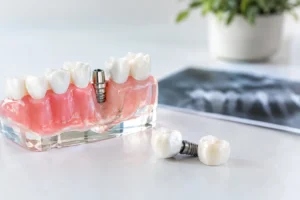
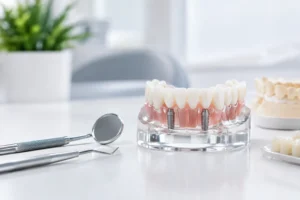
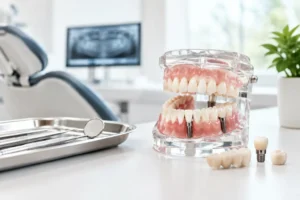
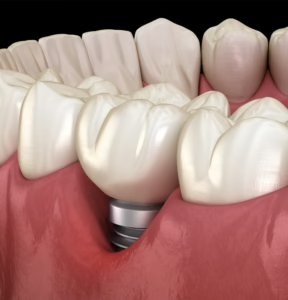
This is particularly important for implant-supported bridges and full arch solutions such as All-on-Four, All-on-Six or All-on-X. These treatments can offer fixed teeth and improved chewing confidence for suitable patients, but they are not interchangeable products. Implant position, bone availability, bite design, the type of final bridge and the patient’s cleaning routine all influence long-term success.
Premium, internationally recognised implant systems may make future maintenance more straightforward if you move abroad, but the quality of the original planning remains central. No implant system can compensate for an unstable bite, poorly controlled infection, unrealistic expectations or insufficient daily care.
Do not rush a full-mouth decision
If you have been told that every remaining tooth should be removed, seek a careful explanation of why. In some cases, full arch implant rehabilitation is the most predictable route to comfort and function. In others, retaining healthy or treatable teeth may be the more conservative choice.
A good clinician will not present one solution as right for everyone. They will explain which teeth are predictable to retain, which have a guarded outlook, and why a staged approach may or may not be appropriate. Minimal intervention with maximum long-term benefit should guide the recommendation.
Planning around travel, work and healing
Expat life often involves demanding schedules, flights and periods away from Kuala Lumpur. It is sensible to discuss these constraints before treatment begins. Implant treatment, extractions, temporary teeth and definitive restorations may require several appointments separated by healing or review periods. The exact sequence depends on the condition of your teeth and bone, your medical history and the complexity of the restoration.
Be cautious of promises that suggest every patient can receive a permanent result immediately. Same-day temporary teeth may be appropriate in selected cases, but they are not the same as the final bridge. Healing, integration and bite adjustment are clinical stages, not inconvenient delays.
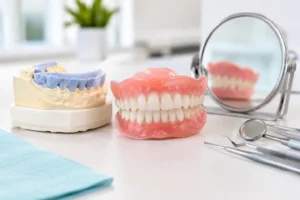
Patients who wear conventional dentures should also be realistic about adaptation. A well-made denture can restore appearance and function, yet it will always behave differently from natural teeth or a fixed implant restoration. The right choice depends on bone support, health considerations, expectations, cleaning ability and the level of stability you need.
Questions worth asking at your consultation
For significant restorative treatment, ask how your bite will be assessed, whether digital scans or diagnostic previews are needed, and who will carry out each stage. Ask what maintenance is expected after treatment and what signs should prompt an earlier review. You should also understand the limits of the proposed work: dentistry can improve function and appearance substantially, but it cannot make restorations maintenance-free.
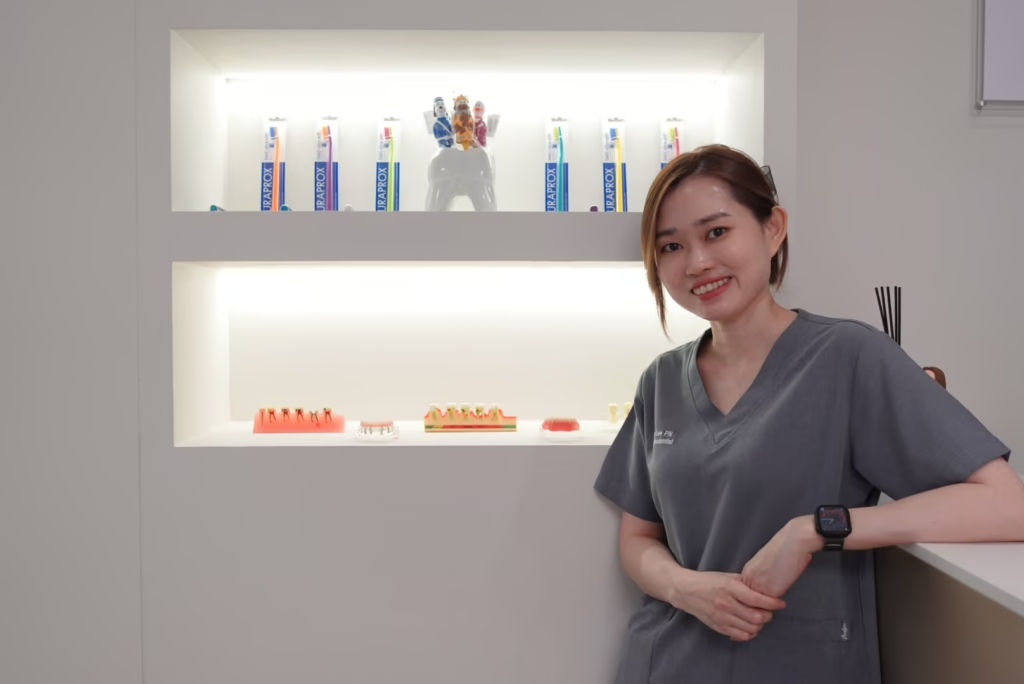
At Maison Dentaire, treatment is planned and delivered by Dr Lee Pei Nee, a registered specialist prosthodontist. For expatriates based in central Kuala Lumpur, this offers the reassurance of direct specialist involvement from diagnosis through to the final restoration, rather than a standardised recommendation.
The best dental decision is usually the one that still makes sense after the initial urgency has passed. Choose a clinician who takes time to assess the whole picture, explains the trade-offs plainly and plans for the years after your treatment is complete.