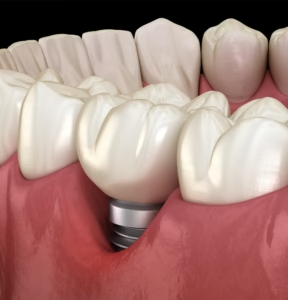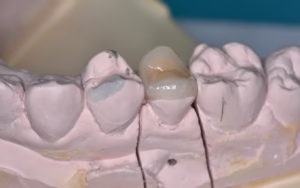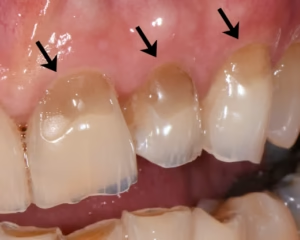

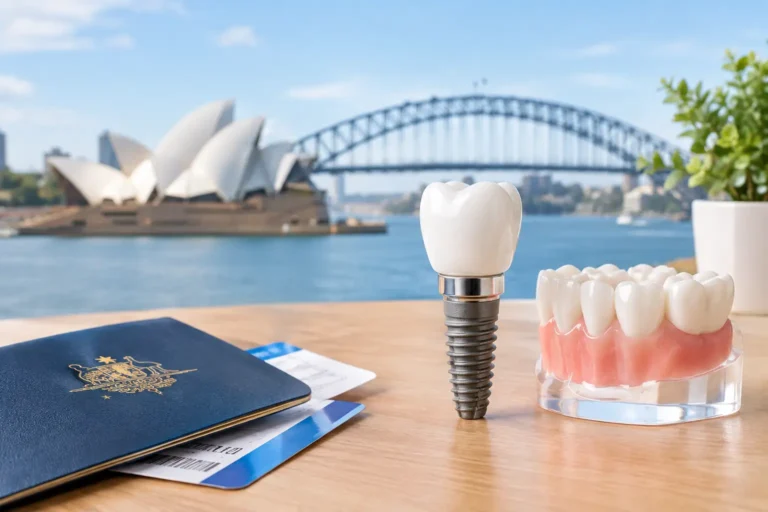
For patients travelling from Australia, dental implant treatment overseas can appear straightforward until the clinical details are examined. Replacing failing or missing teeth is not simply a matter of placing implants and fitting new teeth. A successful result depends on bone, bite, gum health, facial proportions, medical history and a realistic plan for healing and follow-up.
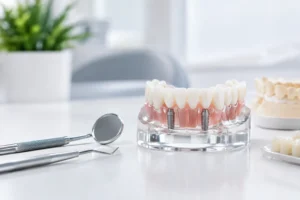
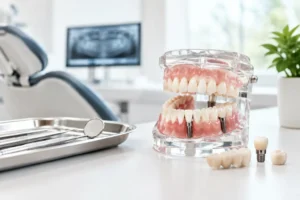
For full-arch treatment such as All-on-Four, All-on-Six or All-on-X, the quality of planning matters as much as the procedure itself. The aim should be stable teeth that look natural, feel comfortable and are designed to function for years, not a rushed cosmetic result.
What Australia patients should consider before travelling
The first question is not how quickly treatment can begin. It is whether your teeth can be predictably retained, or whether replacement is genuinely the healthier long-term option. Teeth affected by extensive decay, repeated infection, severe wear or advanced structural damage may have a poor prognosis. However, extracting teeth that could be restored is also not a decision to make lightly.
A specialist prosthodontic assessment considers the whole mouth. This includes how your upper and lower teeth meet, the amount and quality of available bone, the condition of existing crowns or bridges, and the way your smile supports your lips and face. These details influence the implant position, the design of the final teeth and whether additional preparatory treatment is required.
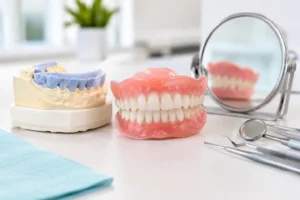
A temporary set of teeth is not the final result
Patients researching full-arch implants often see images of an immediate fixed bridge. In suitable cases, a temporary fixed bridge may be provided soon after implant placement. It can restore appearance and basic confidence while the implants integrate with the bone.
It is still a provisional restoration. The final bridge is made after healing and careful reassessment of bite, speech, smile line and comfort. This staged approach may require more patience, but it gives the clinician the opportunity to refine the result rather than locking important decisions into a single appointment.
Planning the right treatment timeline
Dental travel works best when the itinerary follows biology, not airline schedules. A treatment plan should clearly explain the number of visits required, the expected healing intervals and what can safely be completed during each visit.
Some patients need only a focused consultation and diagnostic visit before treatment is scheduled. Others require extractions, implant placement, a provisional bridge and a later return for the definitive restoration. The precise sequence depends on factors such as bone volume, bite forces, smoking status, medical conditions and whether infection is present.
Before committing to travel, ask for a written plan that sets out the proposed treatment, alternatives, expected appointments and the provisional nature of any immediate teeth. It should also state what happens if findings during treatment differ from the original scan or examination. Clear communication is particularly valuable when you live in another country.
Choosing care beyond the implant brand
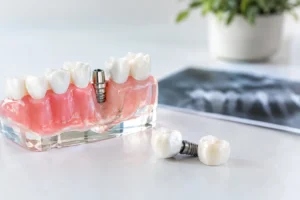
Premium implant systems are important because they are designed with established engineering standards and long-term support in mind. Yet the implant brand alone cannot compensate for poor diagnosis, poorly controlled bite forces or a bridge that is difficult to clean.
The clinician planning your treatment should have the expertise to manage both the surgical and restorative objectives, or work within a closely coordinated specialist team. For full-mouth rehabilitation, prosthodontic planning is central: the teeth must be positioned to support function and appearance, while allowing access for daily cleaning and professional maintenance.
At Maison Dentaire, treatment is personally planned and delivered by a registered specialist prosthodontist, with attention given to the final restoration from the outset. This is particularly relevant for patients who have lived with loose dentures, painful failing teeth or multiple unsuccessful repairs and want a clear, measured path forward.
Aftercare needs a plan as well
Implant treatment does not end when the final teeth are fitted. Daily cleaning, regular professional reviews and early attention to any changes in bite, comfort or the surrounding gums help protect the investment in your oral health.
For travellers, it is sensible to establish who will provide routine maintenance after you return home. Your treating clinic should also provide appropriate clinical records and explain when to seek local dental care urgently, such as persistent swelling, increasing pain or a loose restoration.
A well-made fixed bridge can offer a major improvement in confidence, chewing comfort and speech. But it should be chosen for the right reasons and built on careful diagnosis. If you are travelling from Australia for implant treatment, allow enough time for a proper consultation, ask direct questions, and choose a plan that gives healing and long-term function the respect they deserve.