When searching for a prosthodontist near Ipoh, the most useful question is not simply who is closest. It is who has the specialist training to assess complex tooth loss, failing teeth, bite problems and appearance together – then recommend a treatment that is appropriate for the long term.
For patients considering dental implants, fixed full-arch teeth or replacement dentures, planning matters as much as the final result. A restoration may look convincing on the day it is fitted, yet prove difficult to clean, uncomfortable to bite on or poorly supported over time if the foundations have not been carefully assessed.
What a prosthodontist does differently
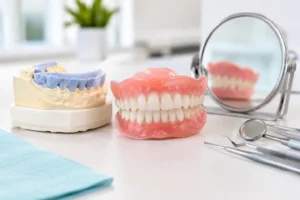
A prosthodontist is a registered dental specialist trained in restoring and replacing teeth. This includes crowns, bridges, veneers, dentures, implant-supported teeth and more extensive full-mouth rehabilitation. Their work is not limited to replacing what is missing. It considers how teeth meet, how forces are distributed during chewing, how speech may be affected, and how the result should sit within the face and smile.
This is especially relevant when several teeth are missing or failing. A patient who has worn loose dentures for years may want fixed teeth. Another may have crowns and bridges that are repeatedly breaking, or teeth that no longer provide a stable bite. These situations often need a coordinated plan rather than a series of isolated repairs.
A specialist should be able to explain which teeth can realistically be retained, which cannot, and why. The aim is minimal intervention with the best possible functional outcome, not treatment that is larger than necessary.
Choosing a prosthodontist near Ipoh: what to assess
Travelling from Ipoh for specialist care can make sense when treatment involves multiple implants or a full arch, because these cases benefit from continuity. The same clinician should understand the plan from the diagnostic stage through to the final teeth and review appointments.
Ask who will personally plan and deliver the treatment. In a specialist-led practice, the clinician assessing your bite, smile and dental records is also responsible for the restorative decisions that shape the final result. That direct involvement is valuable where there is little room for guesswork.
It is also sensible to ask for a detailed written treatment plan. It should set out the clinical findings, available options, likely stages of care and the limitations of each approach. No responsible clinician should promise that every patient is suitable for the same implant protocol or that treatment can be reduced to a standard package.
Fixed full-arch teeth are not one-size-fits-all
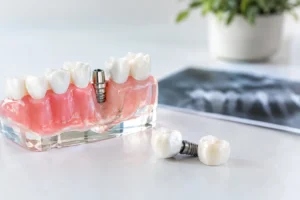
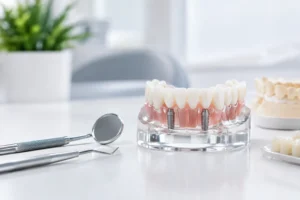
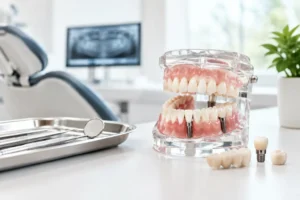
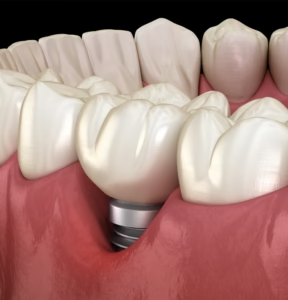
All-on-Four, All-on-Six and All-on-X describe ways of supporting a full arch of teeth with implants. They can be life-changing for people with extensive tooth loss or dentures that move when eating and speaking. However, the number and position of implants should be determined by bone quality, anatomy, the bite, smile line and the type of final teeth required.
For some patients, a fixed implant bridge is the right answer. For others, a carefully designed removable implant-retained denture may offer a more suitable balance of support, hygiene and maintenance. The best recommendation depends on clinical evidence, not a predetermined treatment label.
Why bite and materials matter
Implants do not have the cushioning ligament found around natural teeth. That means bite forces need to be controlled with particular care. A poorly balanced bite can place excessive pressure on restorations and implants, increasing the risk of chipping, loosening or discomfort.
Your prosthodontist should therefore assess more than scans and missing spaces. Jaw movement, existing tooth wear, facial proportions and the condition of remaining teeth all influence the design. Where implants are appropriate, recognised premium systems such as Straumann and Megagen can provide reliable components, but the quality of planning and restoration design remains central to long-term success.
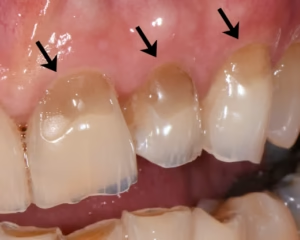
The same principle applies to crowns, bridges and veneers. A natural-looking result should complement the shape of your face and neighbouring teeth while allowing you to speak and chew comfortably. Very bright or overly uniform teeth may be fashionable in photographs, but they are not automatically the most convincing or conservative choice.
Planning care when you are travelling from Ipoh
If you are travelling to Kuala Lumpur, ask how appointments will be organised before committing. Diagnostic records and consultation may require dedicated time, while surgical and restorative stages must be scheduled around healing and review. A practice near Raja Chulan Monorail Station can be practical for patients arriving by rail or staying centrally, but convenience should never replace clinical suitability.
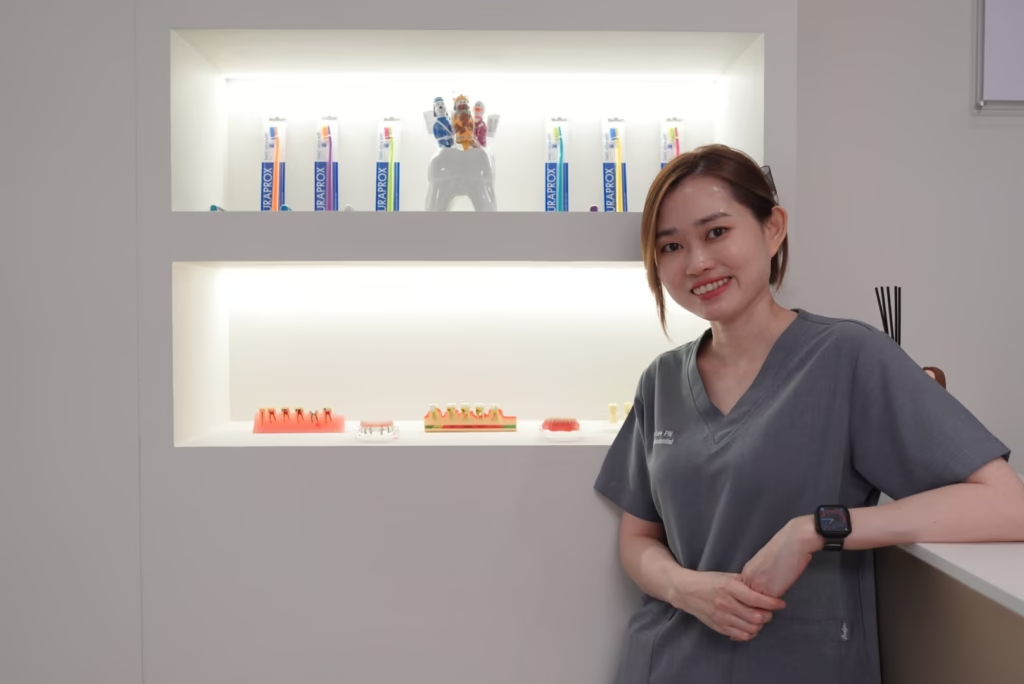
At Maison Dentaire, Dr Lee Pei Nee, a registered specialist prosthodontist, personally plans and delivers restorative care with attention to aesthetics, function and long-term maintainability. The purpose of a consultation is to give you clarity, including when a simpler option may be better than a more extensive procedure.
A good decision begins with an unhurried assessment and honest answers. Choose the clinician who can show you not only how your new teeth may look, but how they are intended to work comfortably for years to come.