
If you are comparing dental implants with dentures or bridges, the real question is not simply cost. It is whether the treatment will give you reliable function, comfort, and confidence for many years. That is why so many patients ask, are dental implants worth it, especially when they are tired of loose dentures, struggling to chew properly, or facing the loss of several teeth.
The honest answer is that implants are often worth it, but not for every person and not in every situation. Their value depends on your oral health, the number of teeth involved, the quality of planning, and what you expect from treatment.
When are dental implants worth it?
Dental implants tend to be worth the investment when missing teeth are affecting daily life in a meaningful way. If you are avoiding certain foods, feeling self-conscious when speaking, or finding that a denture shifts at the wrong moment, an implant solution can improve far more than appearance.
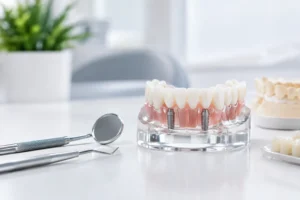
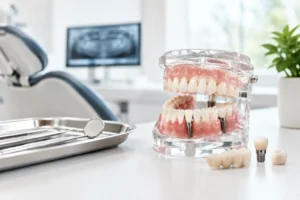
For a single missing tooth, an implant can replace the tooth without cutting down the neighbouring teeth for a bridge. That matters because preserving healthy tooth structure is often the more conservative long-term decision. For several missing teeth, implants can support bridges or stabilise removable dentures. For patients who have lost most or all of their teeth, full-arch implant treatment such as All-on-Four, All-on-Six, or All-on-X can provide a fixed alternative to a conventional denture.
Worth is not just about replacing a tooth-shaped gap. It is about restoring bite stability, protecting remaining structures, and giving you a solution that feels secure enough to live with comfortably.
What makes implants different from other options?
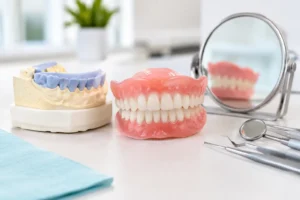
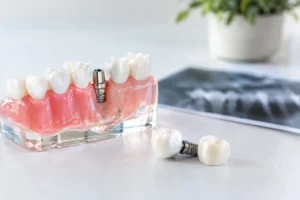
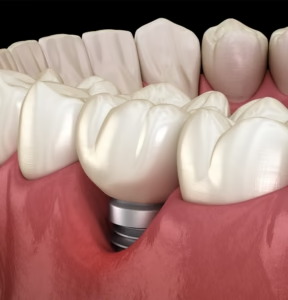
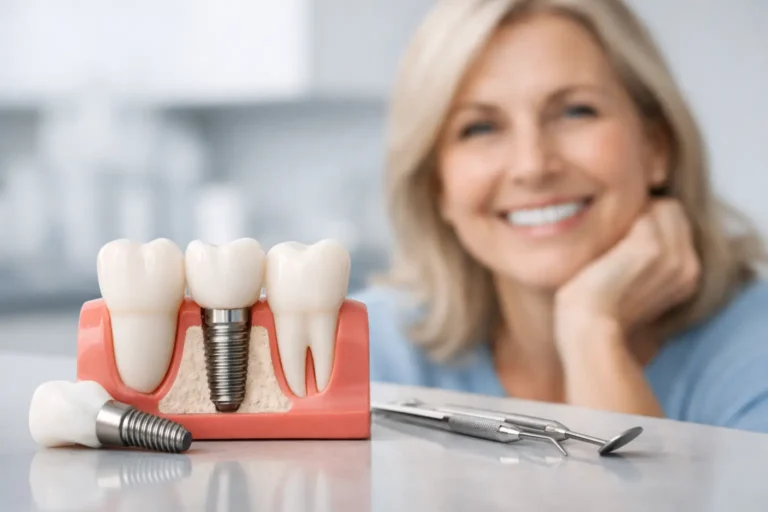
A denture sits on the gums. A bridge relies on other teeth. A dental implant is placed into the jawbone to support a crown, bridge, or full-arch prosthesis. That difference changes how the restoration feels and functions.
Many patients describe implants as closer to natural teeth because they are anchored rather than resting loosely on the soft tissues. In practical terms, this usually means better chewing efficiency, more confidence when speaking, and less awareness of movement. In full-arch cases, this difference can be especially significant for people who have spent years adapting to an unstable lower denture.
There is also the question of bone support. When a tooth is lost, the surrounding bone can shrink over time. Implants can help maintain bone in the area because they transmit functional load into the jaw. Dentures do not do this in the same way, which is one reason long-term denture wearers sometimes notice changes in fit and facial support.
The cost question: expensive or good value?
Dental implants are not the cheapest option upfront. That much is true. But cost and value are not the same thing.
A lower initial fee can become less attractive if it leads to repeated relining of dentures, replacement of poorly fitting prostheses, repairs, discomfort, or compromise to adjacent teeth. By contrast, a well-planned implant restoration may provide many years of stable service. For many patients, that long-term stability is what makes implants worthwhile.
That said, no responsible clinician should imply that implants are automatically the best financial decision for everyone. Some patients do very well with a carefully made conventional denture, particularly if medical factors, bone volume, or budget make implant treatment less suitable. Others benefit from a staged approach, where the most urgent functional problems are addressed first.
The better question is not, “What is the cheapest way to replace teeth?” It is, “Which option is most likely to serve me well over time?”
Are dental implants worth it for full-mouth tooth loss?
For patients missing all or nearly all teeth, the answer is often yes, particularly if conventional dentures are already causing frustration. This is where implants can have the greatest day-to-day impact.
A well-executed full-arch implant solution can improve retention, bite force, speech, and comfort. It can also reduce the mental load of wearing dentures. Many patients do not realise how much energy they spend adapting their eating, smiling, and social habits until they have a fixed restoration.
However, full-arch treatment is not a product. It is a major prosthodontic rehabilitation. The design of the bite, the position of the implants, the quality of the provisional phase, and the final prosthesis all matter. A fixed set of teeth that looks acceptable in photographs but is difficult to clean, poorly balanced, or uncomfortable to chew with is not good value, no matter how quickly it was delivered.
This is why specialist planning is so important in complex cases. The success of treatment depends not only on whether implants integrate with bone, but on whether the final teeth function properly and remain maintainable.
What affects whether implants are truly worth it?
The first factor is diagnosis. If the underlying problem is gum disease, advanced wear, a collapsing bite, or failing dental work across the mouth, replacing one or two teeth without addressing the wider picture may not solve much.
The second is treatment planning. Implant dentistry is prosthetic dentistry as much as surgical dentistry. Teeth need to be placed where they will support an attractive, cleanable, functional result. In complex cases, that requires careful assessment of your smile line, speech, bite forces, jaw relationship, and bone condition.
The third is the quality of the materials and components used. Premium implant systems with established research and dependable restorative parts are not just a branding exercise. They influence long-term serviceability and predictability.
The fourth is maintenance. Implants do not get tooth decay, but they are not maintenance-free. They can develop biological and mechanical complications if neglected. Professional reviews, home care, and sensible monitoring are part of protecting your investment.
When implants may not be the right choice
There are situations where implants may not be worth it, or where they should at least be approached cautiously.
If your medical history makes surgery high risk, a non-surgical solution may be more sensible. If oral hygiene is likely to remain poor, implants may fail biologically over time. If expectations are unrealistic, disappointment can follow even technically successful treatment. And if the plan is based on speed rather than precision, shortcuts tend to show up later.
Some patients are better served by a high-quality denture, a bridge, or phased rehabilitation. A good clinician should be prepared to say that clearly. The right treatment is not the most elaborate one. It is the one that matches your anatomy, priorities, health, and long-term outlook.
A useful way to judge value
If you are trying to decide whether dental implants are worth it, judge the option against five practical questions.
Will this help you eat comfortably and confidently? Will it feel secure in daily life? Will it preserve or improve your oral health over time? Is it designed specifically for your mouth rather than offered as a standard package? Do you understand the long-term maintenance and total investment involved?
If the answer to most of those is yes, implants may represent very good value. If several answers are uncertain, you need a more detailed discussion before proceeding.
Why planning matters more than promises
In implant dentistry, the difference between acceptable and excellent is often invisible at the consultation stage. It sits in the details – case selection, bite analysis, implant positioning, prosthesis design, and follow-up care.
That is particularly relevant for patients considering full-arch rehabilitation after years of tooth loss or denture wear. These cases deserve unhurried assessment and a clear written treatment plan. Precision is not a luxury here. It is what protects function, appearance, comfort, and longevity.
At a specialist-led practice such as Maison Dentaire, this level of planning is central to the decision-making process. The point is not to persuade every patient to have implants. It is to determine whether implants are the right solution, and if they are, to design them properly.
For many people, dental implants are worth it because they restore something that is difficult to measure on a price list – the ease of eating, speaking, smiling, and getting on with life without thinking constantly about your teeth. That kind of value is personal, and when the treatment is carefully planned, it can be lasting.