When teeth are failing, missing or no longer comfortable to live with, the decision is rarely about appearance alone. Patients seeking a Prosthodontist Seremban often want to eat properly, speak without concern and feel confident that their treatment has been planned for the long term.
Prosthodontic treatment is particularly valuable where several teeth are involved, where dentures are unstable, or where a full-mouth solution is being considered. These situations require more than replacing visible teeth. They require careful assessment of the bite, facial support, gum condition, jawbone and the way each restoration will function over time.
What does a prosthodontist do?
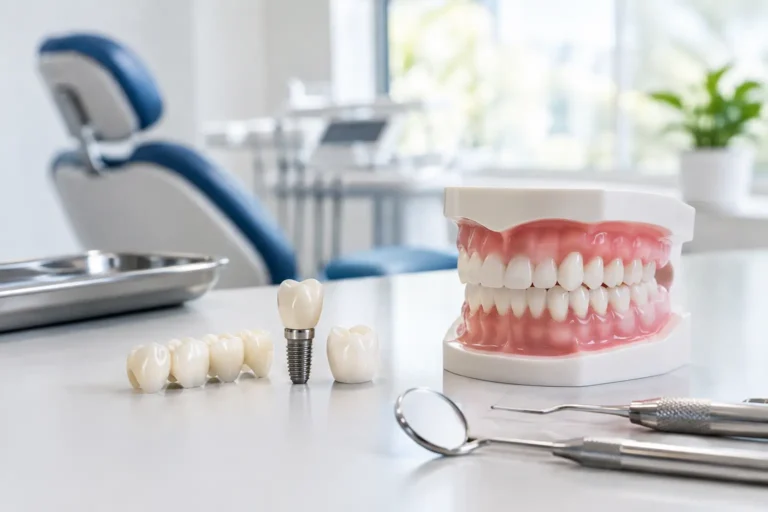
A prosthodontist is a registered dental specialist focused on restoring and replacing teeth. This includes crowns, bridges, veneers, dentures and implant-supported teeth, as well as more complex full-mouth rehabilitation.
The difference is in the depth of planning. A tooth may look acceptable in isolation but still create problems if it does not meet opposing teeth correctly, places excess force on an implant, or changes the way the jaw closes. Specialist prosthodontic care considers the whole system, not only the tooth that is currently causing concern.
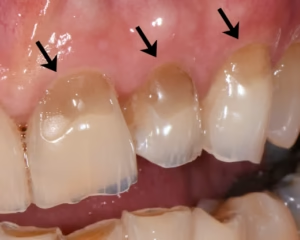
For patients with worn, broken or missing teeth, this can mean a more measured approach. Rather than moving immediately to a standard recommendation, the clinician establishes what can be preserved, what genuinely needs replacing and which option is appropriate for the person’s health, expectations and daily life.
Choosing a Prosthodontist Seremban patients can rely on
For complex restorative care, qualifications and personal involvement matter. Patients should know who will diagnose their case, design the treatment and deliver the final restorations. A detailed consultation should not feel rushed or based on a one-size-fits-all package.
A sound plan normally starts with a thorough examination, photographs, digital records and imaging where indicated. The aim is to understand the condition of the remaining teeth, the quality and quantity of available bone, the bite and the desired aesthetic outcome. Only then can the benefits and limitations of different treatments be explained clearly.
Written treatment plans are useful because they make the sequence of care transparent. They should explain what is being proposed, why it is recommended, what alternatives may exist and what maintenance will be required. This gives patients the time and clarity to make a considered decision.
Fixed teeth, removable dentures or saving natural teeth
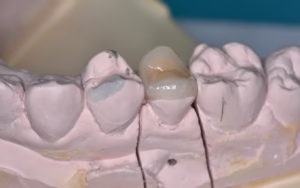
There is no single right answer for every patient. If natural teeth are healthy enough to retain predictably, preserving them is often the most conservative option. Crowns, bridges, inlays or onlays may restore strength and function without removing more tooth structure than necessary.
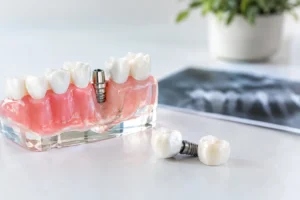
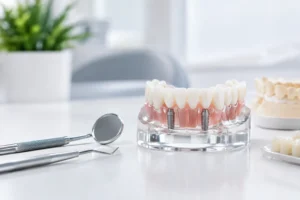
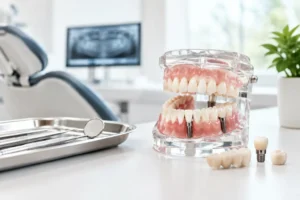
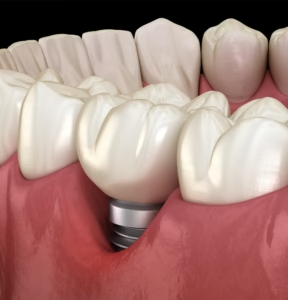
When multiple teeth cannot be saved, implant-supported treatment may provide a fixed alternative to conventional dentures. Full-arch options such as All-on-Four, All-on-Six and All-on-X use a planned number of implants to support a complete arch of replacement teeth. The appropriate design depends on bone anatomy, bite forces, medical considerations and the final teeth required. More implants are not automatically better, and fewer implants are not automatically unsuitable. The quality of planning is central.
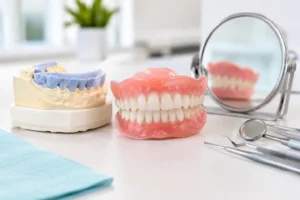
Conventional full or partial dentures remain a suitable choice for some people. They can be an effective solution where surgery is not preferred or not advisable. However, they may move during eating or speaking, particularly in the lower jaw. Implant support can improve retention in selected cases, but the decision should be based on comfort, anatomy and long-term maintenance rather than pressure to choose a particular procedure.
Why bite planning affects longevity
A restoration must do more than look natural. It needs to distribute forces sensibly when you chew, protect neighbouring teeth and work comfortably with the jaw joints and muscles. This is known as occlusal planning.
It is especially important in full-mouth rehabilitation and implant treatment. Unlike natural teeth, implants do not have the same cushioning ligament around their roots. Excessive or uneven pressure can place strain on the implant components, restoration and opposing teeth. A prosthodontist carefully designs the shape, position and contact of the teeth to support function as well as appearance.
Aesthetic planning matters too. The colour, proportions and visibility of teeth should suit the patient’s face and smile, not follow a generic template. Natural-looking treatment is usually the result of restraint, careful communication and precise technical work.
A specialist-led route to treatment
For patients travelling from Seremban for advanced restorative care, it is reasonable to ask how appointments will be organised and who will be responsible throughout treatment. Complex cases may involve several stages, healing periods and review appointments. Clear communication helps patients plan with confidence.
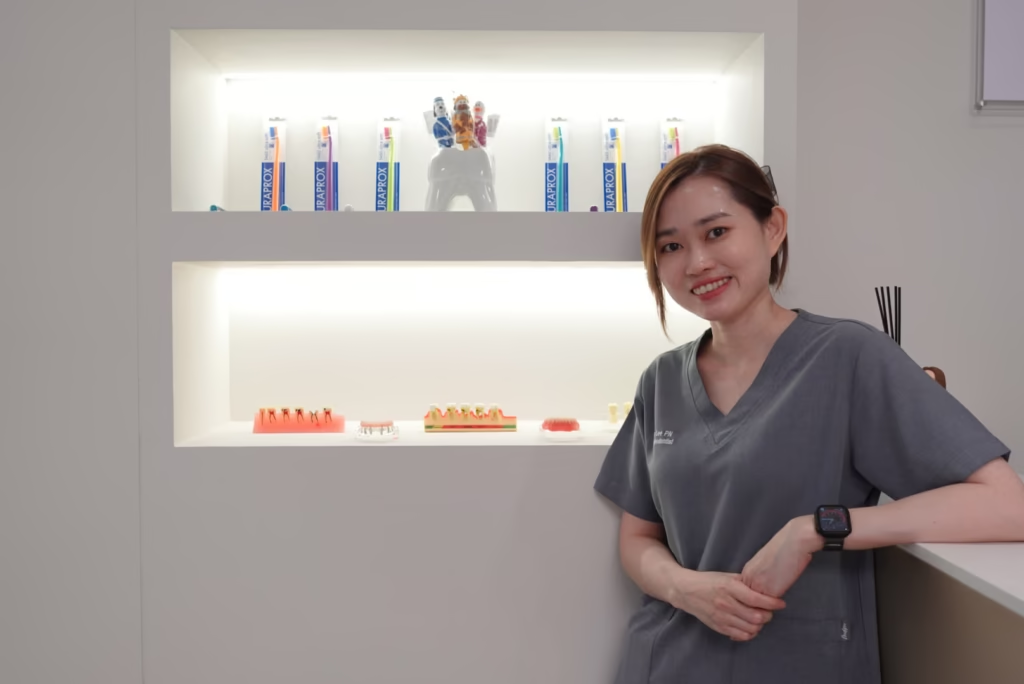
At Maison Dentaire, Dr Lee Pei Nee, registered specialist prosthodontist (MDC Reg. No. PRO 0031), personally plans and delivers treatment. The clinic uses internationally recognised implant systems, including Straumann and Megagen, where implant treatment is appropriate. The focus remains on minimal intervention, precise execution and recommendations based on what is necessary for long-term oral health.
The right treatment should leave you with more than an improved smile. It should give you a practical, comfortable way to eat, speak and live with confidence, supported by a plan that respects both your health and your future maintenance needs.