
Understanding the 4 Types of Tooth Wear
Have you noticed your teeth looking shorter, thinner, or more yellow than before?
Do the edges appear jagged, or do you feel a sharp “zing” when you drink something cold?
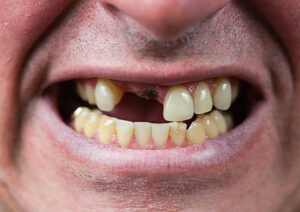
Some tooth wear is a natural part of aging. However, excessive tooth wear can lead to sensitivity, bite problems, jaw discomfort, and even changes in facial appearance.
To manage tooth wear effectively, we first need to understand what’s causing it. In dentistry, tooth wear is classified into four main types:
Attrition, Abrasion, Erosion, and Abfraction.
1. Attrition – Tooth-on-Tooth Wear
What causes it?
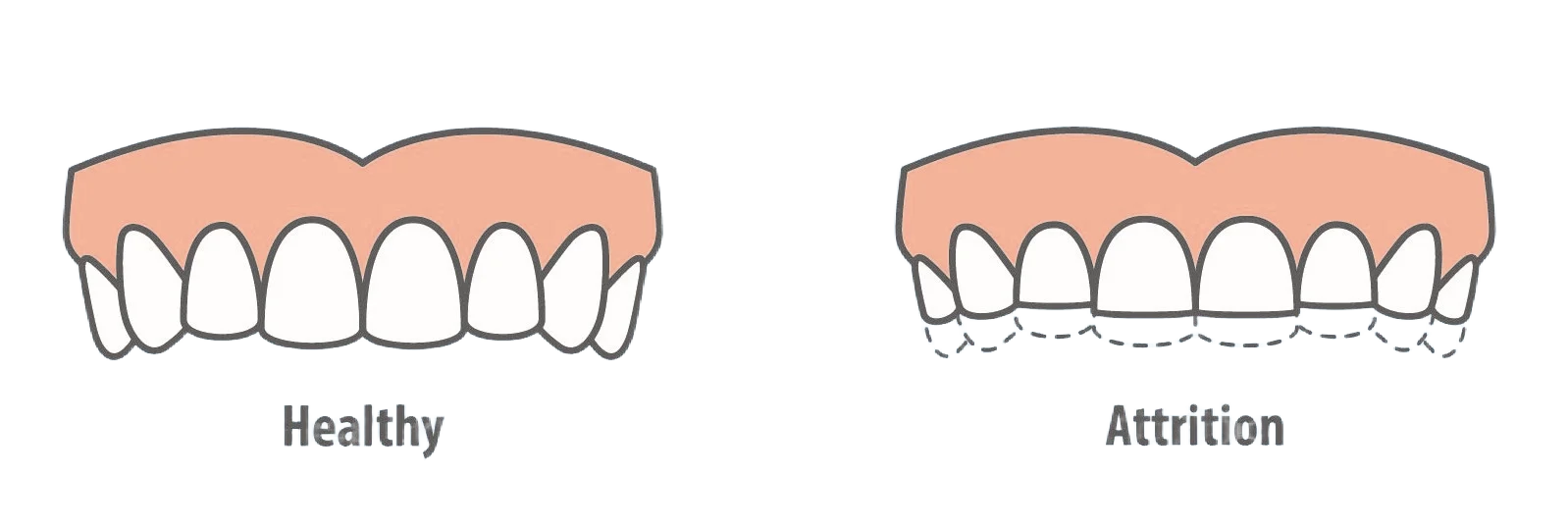
Attrition occurs when teeth wear down from direct contact with other teeth.
Common causes include:
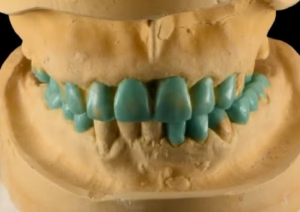
Teeth grinding or clenching (bruxism), often linked to stress, sleep disorders, or bite problems.
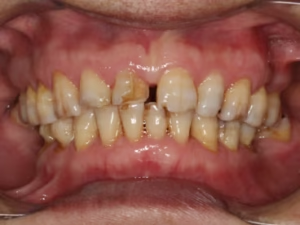
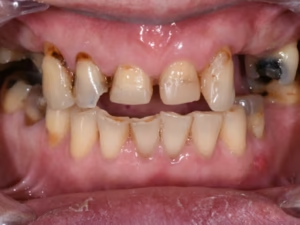
When teeth grind against each other repeatedly, the protective enamel gradually wears away. As a result, the biting surfaces flatten, and the underlying dentine — naturally more yellow — may become exposed. Over time, this can also contribute to jaw pain or temporomandibular joint (TMJ) issues.
You may notice:
Flattened or shortened front teeth
Smooth or shiny chewing surfaces
Increased tooth sensitivity
2. Abrasion – External Friction
What causes it?
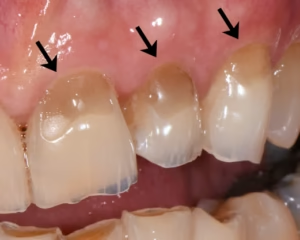
Abrasion happens when teeth wear down due to repeated contact with external objects.
The common culprits:
Brushing too hard
Using a hard-bristled toothbrush
Abrasive whitening toothpaste
Habits like biting nails, pens, or holding objects between the teeth
Although enamel is strong, it does not tolerate constant “scrubbing” or sawing forces well—especially near the gum line.
What you may notice:
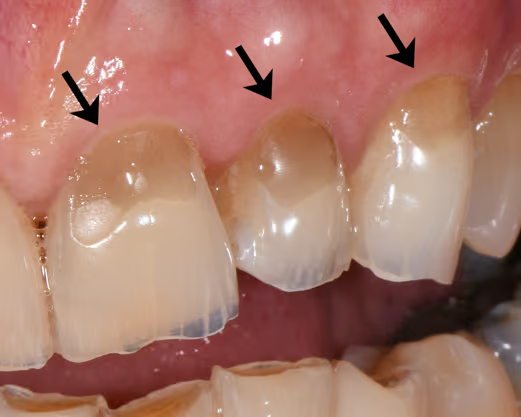
V-shaped grooves or notches
Wear near where the tooth meets the gum
Sensitivity when brushing
3. Erosion – Acid Damage
What causes it?
Erosion results from acid dissolving the tooth surface, without bacterial involvement.
The common culprits:
Frequent intake of acidic drinks (soft drinks, sports drinks, citrus juices)
Acid reflux (GERD)
Morning sickness or frequent vomiting
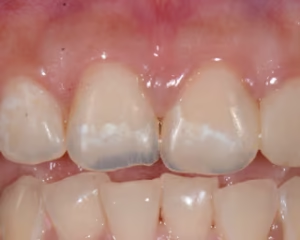
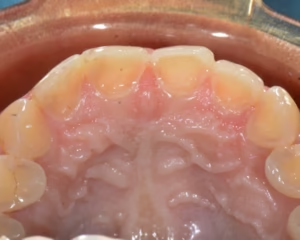
Acid softens enamel and gradually dissolves it away. Unlike attrition, erosion does not flatten teeth—instead, it makes them look rounded or hollowed.
What you may notice:
Teeth that appear smooth, shiny, or translucent
Rounded edges
Increased sensitivity to hot, cold, or sweet foods
4. Abfraction – Stress-Related Tooth Wear
What causes it?
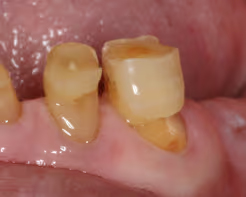
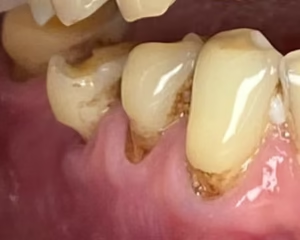
Abfraction occurs when teeth flex under uneven biting forces, leading to microscopic fractures at the neck of the tooth.
The common culprits:
An uneven bite (malocclusion)
Heavy clenching or grinding
When certain teeth take more force than they are designed to handle, stress concentrates at the weakest point—near the gum line—causing enamel to break away.
What you may notice:
Deep, angular notches near the gum
Localised sensitivity
Wear affecting specific teeth only
(These lesions are often mistaken for abrasion.)
How We Can Help
The good news is that tooth wear can be stabilised and restored when detected early. Treatment depends on the cause and severity of the wear, and may include:
Occlusal splint – to protect teeth from grinding and attrition
Composite bonding – to restore worn edges or notches conservatively
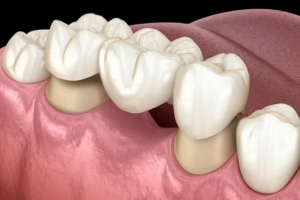
Porcelain veneers or crowns – for advanced wear requiring long-term protection
Bite assessment and correction – to address uneven forces
Protect Your Smile Early
Early intervention helps preserve your natural tooth structure and prevents more complex treatment later on. If you’ve noticed changes in the shape, length, or sensitivity of your teeth, it’s worth having them assessed sooner rather than later.
A proper diagnosis allows us to treat the cause, not just the symptoms — and protect your smile for the long term.
Frequently Asked Questions (FAQs) About Tooth Wear
1. Is tooth wear normal with age?
Some degree of tooth wear is normal over time. However, excessive or uneven wear is not normal and often indicates grinding, acid exposure, or bite problems.
2. Can worn-down enamel grow back?
No. Once enamel is worn away, it cannot grow back. Enamel does not regenerate. However, early intervention can slow or stop further wear, and modern dental treatments can restore the appearance, strength, and function of affected teeth.
3. Can worn teeth be restored?
Yes. Depending on the severity, worn teeth can be restored using composite bonding, veneers, crowns, or more comprehensive rehabilitation.
4. Does tooth wear cause sensitivity?
Yes. As enamel wears away, the underlying dentine may become exposed, leading to sensitivity to temperature or sweet foods.
5. How do I know which type of tooth wear I have?
Each type of tooth wear has a characteristic pattern. A clinical examination allows the dentist to identify the cause and recommend appropriate treatment.
6. Can tooth wear worsen if left untreated?
Yes. Tooth wear is usually progressive. Without addressing the underlying cause, teeth may continue to shorten, weaken, or fracture over time.
Final Thoughts
Tooth wear is common, but it should never be ignored. While some changes happen naturally with age, excessive or uneven wear often signals an underlying issue such as grinding, acid exposure, or bite imbalance.
It is also important to understand that tooth wear is often multifactorial. Many people do not present with just one type of tooth wear. Instead, a combination of factors — such as grinding together with acidic diet or brushing habits — may act together, causing more than one type of tooth wear to appear at the same time.
The earlier tooth wear is identified, the more conservative and effective treatment can be. In more advanced cases involving multiple worn teeth and bite changes, a full mouth rehabilitation may be recommended to comprehensively restore function, comfort, and aesthetics. A professional assessment helps determine the contributing factors, not just the visible damage, and guides the most appropriate way to protect and restore your smile for the long term.