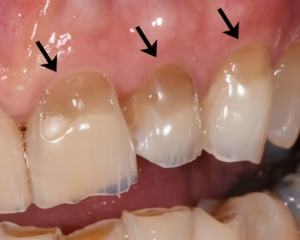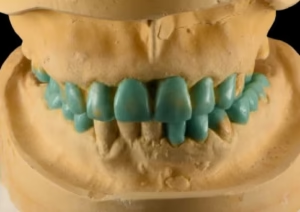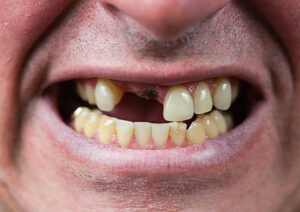

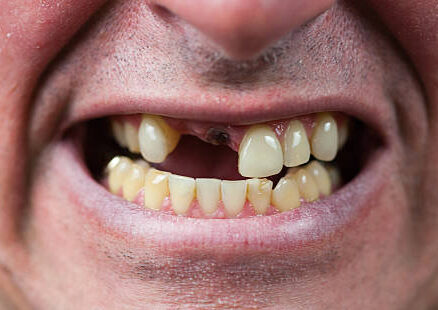
Losing a tooth isn’t just about how your smile looks — it can make eating your favorite foods tricky, affect how you speak, and even change the shape of your face over time. The good news? Modern dentistry gives you plenty of options to bring back your teeth, your confidence, and your comfort.
If you’re thinking about replacing missing teeth, this guide will help you understand your choices, what to expect, and how to decide what’s right for you.
Why Replacing Missing Teeth Matters?
While missing your front teeth are definitely a cosmetic reason to have them replaced, missing teeth in general can affect your everyday life in several ways:
Chewing difficulties: Gaps make it harder to eat certain foods, which could affect your nutrition.
Speech changes: Missing front teeth or gaps might make some words harder to pronounce.
Bone loss: Your jawbone needs stimulation from tooth roots to stay healthy. Without it, the bone can shrink over time.
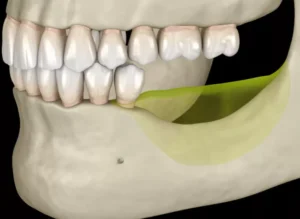
Facial sagging:When tooth roots are missing, the jawbone loses support. Over time, this can make your face appear sunken or aged.

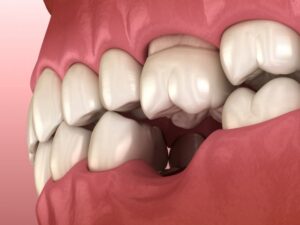
Shifting teeth: Teeth adjacent to a gap may tilt or move over time, creating further bite problems
Reduced confidence: Gaps in your smile may affect how often you smile or speak confidently.

Replacing missing teeth doesn’t just restore function — it helps keep your mouth healthy and maintains the natural shape of your face.
1. Dental Implants
A dental implant is a small titanium post placed into your jawbone to act like a natural tooth root. Once it’s healed, a crown is attached to complete your new tooth.
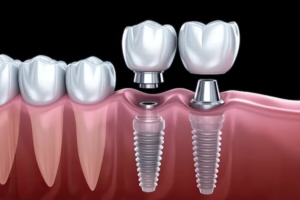
Benefits:
- Feels and functions like a natural tooth
- Helps keep your jawbone healthy
- Leaves nearby teeth untouched
Best for: Replacing a single tooth, multiple gaps, or full-mouth restorations.
2. Implant-Supported Dentures / Full-Arch Solutions
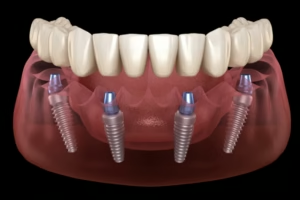
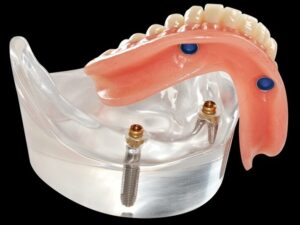
If you’ve lost most or all teeth on a jaw, implants can support a fixed bridge — often called “All-on-4” or “All-on-X” — or removable overdentures.
Advantages:
Stable and more retentive than traditional dentures
Fixed solution if using an implant bridge
Stronger chewing ability
Can work even with some bone loss through angled placement of implants
Benefits:
Durable and long-lasting
Restores chewing and speaking function
Provides stability even if the jawbone has resorbed
Considerations:
Removable overdentures may be easier to clean and maintain compared to fixed bridges
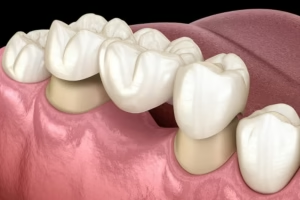
3. Dental Bridges
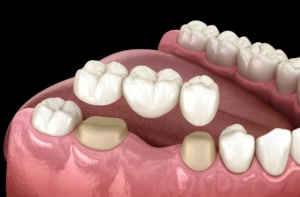
A bridge uses the teeth next to a gap to support a replacement tooth in between.
Benefits:
Fixed in place and reliable
Restores bite and appearance
No surgery required
Things to keep in mind:
Neighboring teeth need to be trimmed to support the bridge
Bridges don’t prevent bone loss in the area of the missing tooth
- If not cleaned properly, cavities can form on the supporting teeth under the bridge.
4. Removable Dentures
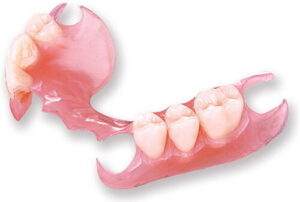
Dentures are a non-surgical option. Partial dentures replace a few teeth, while full dentures replace all teeth on a jaw.
 Advantages:
Non-invasive and adjustable
More affordable
- Easy to clean and maintain
Considerations:
Less retentive than fixed options
May need occasional adjustments for comfort
So… What’s the Best Choice???
There isn’t a single “best” solution for everyone. The right choice depends on your oral condition, lifestyle, timeline, and budget.
Dentures may be the most affordable, but if they feel comfortable and function well, they can be perfect for you. Others might prefer something permanent or more natural-looking, like implants or bridges, which look and feel closer to natural teeth.
When deciding, consider:
Number of teeth to replace: Single, multiple, or full-arch
Jawbone health: Strong bone is essential for implants
Lifestyle: Eating habits, speech, and daily comfort. Smoking can slow healing and increase implant risks
Personal goals: Fixed or removable? How important is aesthetics?
Medical history: Conditions like diabetes, gum disease, osteoporosis, or the use of medications such as bisphosphonates may affect treatment options and healing
Time: Some options require multiple visits and months to complete; others are quicker
Budget: Think beyond the initial cost — consider maintenance and replacement frequency
Dentist’s expertise: Experience improves outcomes and reduces complications
The best option balances comfort, function, lifestyle, and personal preferences — giving you a healthy, confident smile.
What to Expect With Dental Implants
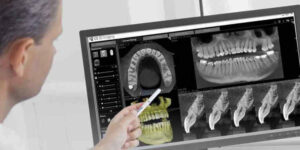
- Consultation:Your dentist will examine your teeth, gums, and jawbone to plan treatment.
- Treatment planning: X-rays or 3D scans may be used for precise placement.
Surgery: The implant is placed into your jaw under local anesthesia.
Healing: The implant fuses with your bone over several months.
Restoration: An abutment and crown are attached, completing your new tooth.
Frequently Asked Questions (FAQs)
1. Does it hurt to get dental implants?
A: Most procedures are done under local anesthesia, so discomfort is minimal. Mild soreness afterward is normal and temporary.
2. Can a missing tooth affect my other teeth or bite?
A: Yes. When a tooth is missing, neighboring teeth can shift, and teeth opposite the gap may grow into the empty space (supraeruption). This can lead to crooked teeth, bite problems, jaw discomfort (TMD), and changes in chewing or facial appearance.
3. Which option feels most natural?
A: No tooth replacement can fully replicate the sensation of natural teeth because the sensory feedback is lost once a tooth is removed. However, dental implants usually feel and function the most like natural teeth, offering the most natural chewing experience compared to bridges or dentures.
4. How long does a tooth replacement last?
A: With good care, implants can last decades. Bridges and dentures may need replacement or adjustment. If you grind your teeth, an occlusal splint can help protect your prosthesis.
5. Do I need bone grafting for implants?
A: Only if your jawbone isn’t dense enough to support the implant. Your dentist will assess this with 3D imaging.
6. How do I choose the right dentist?
A: Look for experience in the type of replacement you want, check credentials, and ensure you receive a clear treatment plan.
7. What affects the cost?
A: Costs depend on location, type of treatment, materials used, complexity of your case, and the experience of your dentist.
Final Thoughts
Replacing missing teeth isn’t just about looking good — it’s essential for your oral health and overall quality of life. Modern dentistry offers solutions that restore function, confidence, and a natural smile. Start with a consultation, and you’ll find the option that works best for you.